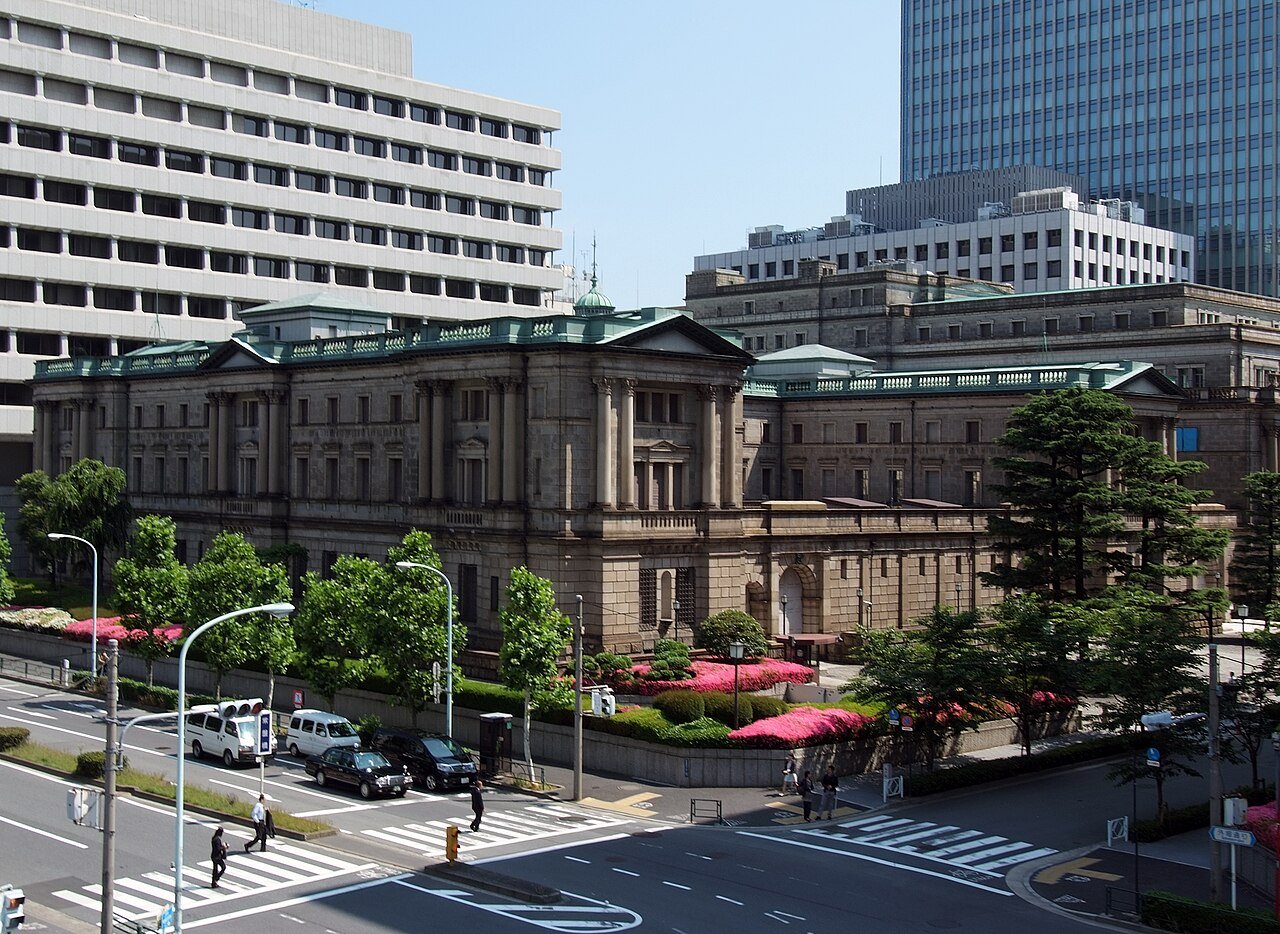
The Bank of Japan on Friday raised its target for the uncollateralized overnight call rate from 1% to 1.25 percent. It is the highest level for Japan's benchmark rate since 1995 — 31 years ago — and the latest step by a central bank that spent close to three decades anchored at zero or negative interest rates.
The decision passed by seven votes to two, according to the statement the Bank released at the end of its monetary policy meeting.
Who voted against, and why
Both dissenters argued the tightening is premature.
- Toichiro Asada said consumer price growth remains below 2% and the strength of the economy is still uncertain, and argued for keeping the previous guideline.
- Ayano Sato said recent economic and price developments had not accelerated enough to justify a rate increase now.
A 7-2 split is unusual for a central bank that historically seeks near-unanimous decisions, and signals that the pace of any further increases is far from settled inside the board.
What the Bank says it sees
In its statement, the Bank of Japan describes an economy recovering moderately "with some weakness", and attributes part of that weakness to the effects of the Middle East crisis. On prices, it judges that underlying inflation is "approaching 2 percent" and that medium- to long-term inflation expectations have continued to rise — with an upside risk that the index overshoots the target.
Core consumer inflation ran close to 2% in August, according to Al Jazeera, with companies passing on higher costs across a wide range of food and grocery items under pressure from energy, global supply chains and domestic factors.
There is a structural component too. The Bank's executive director Koji Nakamura described Japan's position as a "slow-moving demographic shock": a shrinking labour pool pushing wages up — pressure that does not fade on its own once energy prices stop climbing.
Where that leaves Japan
Even at 1.25%, Japanese rates remain well below those of its peers: the European Central Bank sits at 2.5%. That gap is what sustains the carry trade — borrowing in cheap yen to invest in high-yielding currencies — a mechanism that moves capital into emerging markets, Brazil among them. Each Japanese increase makes that leg more expensive and shifts, at the margin, the arithmetic for anyone running the flow.
The post-meeting briefing by Governor Kazuo Ueda was the most closely watched moment for markets looking for clues on the timing and pace of further increases.
With information from the Bank of Japan's statement on monetary policy (18 September 2026) and Al Jazeera.