Brazil's federal government on Thursday lowered the amount of spending held back from the 2026 budget from R$17.9 billion to R$16.1 billion. The R$1.8 billion of relief, however, comes alongside a far worse number in the same document: the year's projected primary result is no longer a surplus.
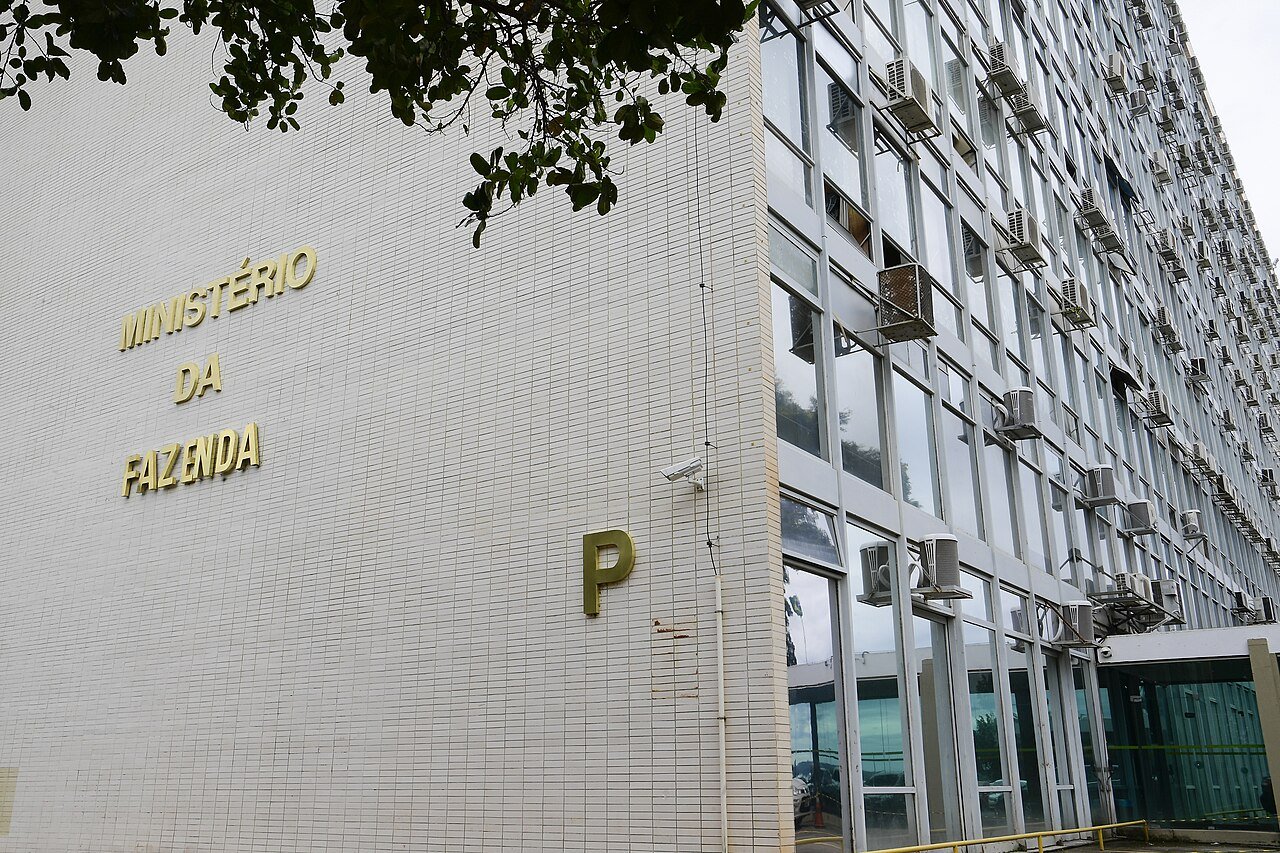
The figures come from the bimonthly revenue and expenditure review for the fourth two-month period, released by the Ministério do Planejamento e Orçamento (Ministry of Planning and Budget) and the Ministério da Fazenda (Ministry of Finance).
What changed in the freeze
The restriction changed in kind, not just in size. In July, the full R$17.9 billion was a bloqueio — the cut applied when spending threatens to breach the expenditure ceiling. The total now splits in two:
- R$2.4 billion blocked;
- R$13.6 billion of contingenciamento, a discretionary hold that stood at zero in July.
The distinction is not bureaucratic. A bloqueio answers to the spending limit; a contingenciamento answers to the primary result target. The appearance of R$13.6 billion in held-back funds is itself an admission that the target became harder to reach.
The projection that worsened
The projected primary result moved from a R$10.8 billion surplus to a R$13.6 billion deficit — a R$24.4 billion deterioration between one report and the next.
Stripped of the deductions the law allows against the target, the projected deficit reaches R$80.9 billion.
On the revenue side, total primary revenue was revised to R$3,221.5 billion, R$15.7 billion below the previous estimate. Revenue administered by the Receita Federal (federal tax authority) fell to R$2,065.7 billion, and income tax receipts to R$940.4 billion.
The macroeconomic picture
The report also redrew the assumptions underpinning those accounts:
| Indicator | Previous forecast | Current forecast |
|---|---|---|
| 2026 GDP | 2.27% | 2.02% |
| 2026 inflation (IPCA) | 5.08% | 4.92% |
| Oil | US$79.16/barrel | US$87.70/barrel |
| Exchange rate | R$5.16 | R$5.16 |
The downgrade to growth is what ties the rest together: less activity means less revenue, and it is part of what pushed the receipts line down.
Where spending gave way
The room that allowed the freeze to shrink came mainly from lower estimates for mandatory spending. Pension benefits were re-estimated at R$1,119.4 billion and personnel and social charges at R$445.4 billion.
Planning and Budget Minister Bruno Moretti said the pension revision does not mean a cut to benefits paid, but a smaller estimate of how fast that spending will grow. Rogério Ceron, executive secretary at the Ministério da Fazenda, said the freed-up funds would have been spread across different ministries had the government not prioritised the increase to its flagship social programme.
With information from Jornal de Brasília, Exame, O Povo and Diário do Comércio.