On the eve of the vote that decides Brazil's presidency, the electoral judiciary opened a front against the two largest social networks operating in the country. Ricardo Villas Bôas Cueva, corregedor-geral da Justiça Eleitoral (inspector general of the electoral judiciary), gave Meta — owner of Facebook, Instagram and WhatsApp — and X 24 hours to provide technical explanations of how they distribute political content to users and on what criteria they remove posts. A company that fails to answer without justification faces a fine of R$500,000 a day.
Friday's (23) decision opens an Ação de Investigação Judicial Eleitoral (electoral judicial investigation, Aije 0603276-73.2026.6.00.0000) requested by the coalition of President Luiz Inácio Lula da Silva, which accuses the companies of abuse of economic power and improper use of social media. According to the filing, posts tied to Senator Flávio Bolsonaro's candidacy circulate with disproportionate reach, while content favourable to Lula is restricted — including in the delivery of paid electoral advertising, which both sides buy on the same platforms.
What each company has to answer
From Meta, the inspector general wants its criteria for distributing content and any difference in treatment between the two candidacies, plus explanations about automatic translations, GIF and hashtag searches, and political ads. From X, the demand is specific: explain how Grok, the artificial-intelligence tool built into the network, works. Lula's campaign says Grok answers equivalent questions about the two candidates differently, in Flávio's favour.
Flávio Bolsonaro and his running mate, Alfredo Gaspar, have five days to present a defence.
Cueva was explicit about the stage of the inquiry: the evidence gathered so far, he wrote, "does not yet allow the alleged irregularities to be proven". He therefore postponed, until the companies reply, decisions on three of the coalition's requests — suspending automatic translations, barring privileged treatment of profiles, and restoring the reach of electoral advertising.
The video that triggered the decision
The immediate trigger was the removal of a video from the "Revelando" project by the singer MC Cabelinho, critical of Flávio. Instagram took the material down on Thursday (22), shortly after it was posted, citing excessive use of artificial intelligence — which its authors deny. The inspector general said the episode does not in itself show the video was treated differently because of its political orientation, but that the closeness of the runoff justifies clarifying the grounds for the removal and ensuring a prompt review. According to Agência Brasil, he ordered Meta to submit the content to human review.
Platforms inside the court
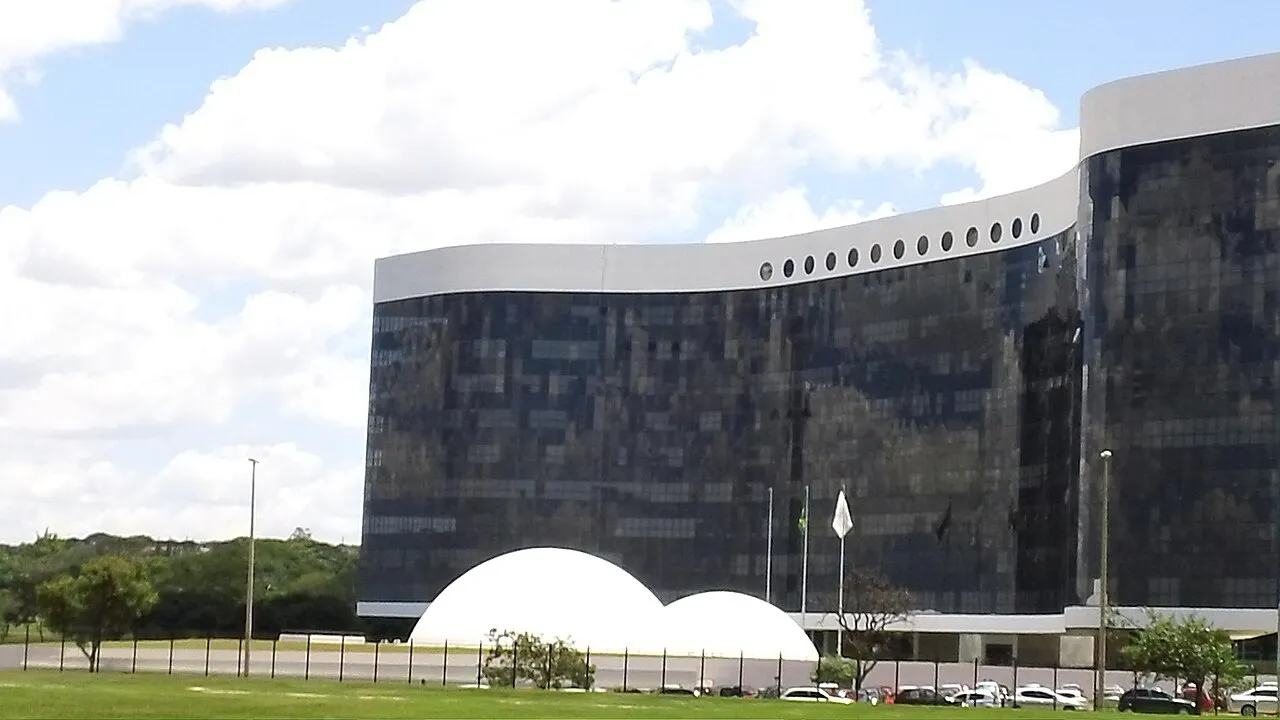
The same day, the president of the Tribunal Superior Eleitoral (Superior Electoral Court), Kassio Nunes Marques, received representatives of Meta, X, Google, TikTok and Kwai, alongside the auxiliary justices for campaign advertising André Mendonça, Marco Aurélio Bellizze, Estela Aranha and Sebastião Reis Júnior. The agenda was compliance with electoral rules and court orders on social networks: content moderation, fraud prevention, rapid response to disinformation and the circulation of deepfakes during the campaign, including coordinated attacks originating abroad.
The court handed the companies an electoral compliance guide covering online campaign deadlines, limits on publishing new synthetic content generated by artificial intelligence, and obligations under court orders. It also asked for closer attention to reports of political violence against women — candidates, journalists, supporters and officials.
The most concrete change is logistical, and it starts today. The Sala de Atenção a Riscos Digital (digital risk attention room) runs from Saturday (24) to 4 November with platform employees working at the court's headquarters in Brasília: urgent cases will now be handled in person, with the companies' representatives, rather than by telephone as in previous elections.
With information from Agência Brasil, Conjur and CNN Brasil.