Brazil released 1.41 billion tonnes of carbon dioxide equivalent (CO2e) into the atmosphere in 2025 once the carbon reabsorbed by forests and regrowing land is subtracted. That is 9% less than in 2024 and the lowest net figure since 2012. The number comes from the 14th edition of the SEEG (Sistema de Estimativas de Emissões de Gases de Efeito Estufa, the greenhouse gas emission estimate system), a survey by the Observatório do Clima released on Wednesday.
Gross emissions, which do not subtract that reabsorption, totalled 2.06 billion tonnes against 2.19 billion the year before — a 6% fall and the lowest level since 2018.
The cut came from the forest, and almost only from there
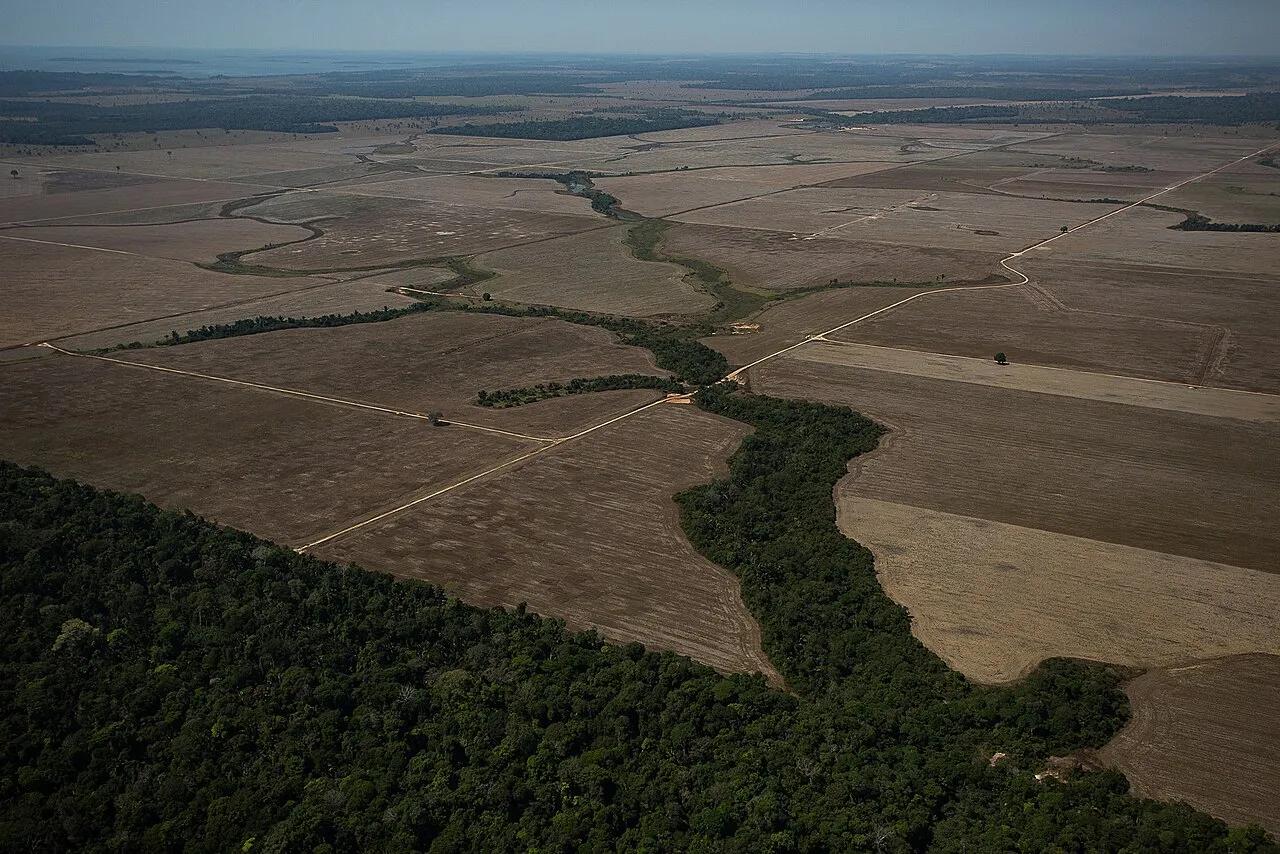
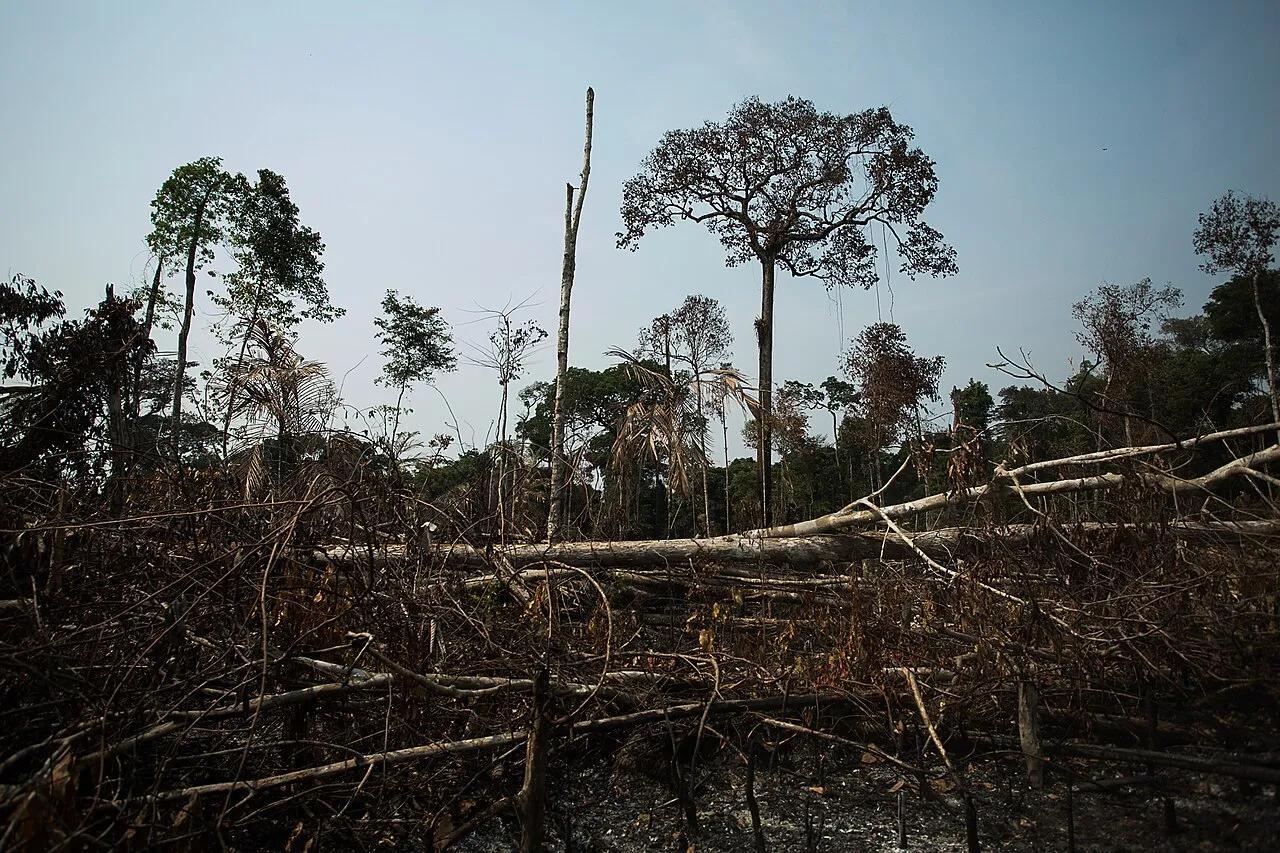
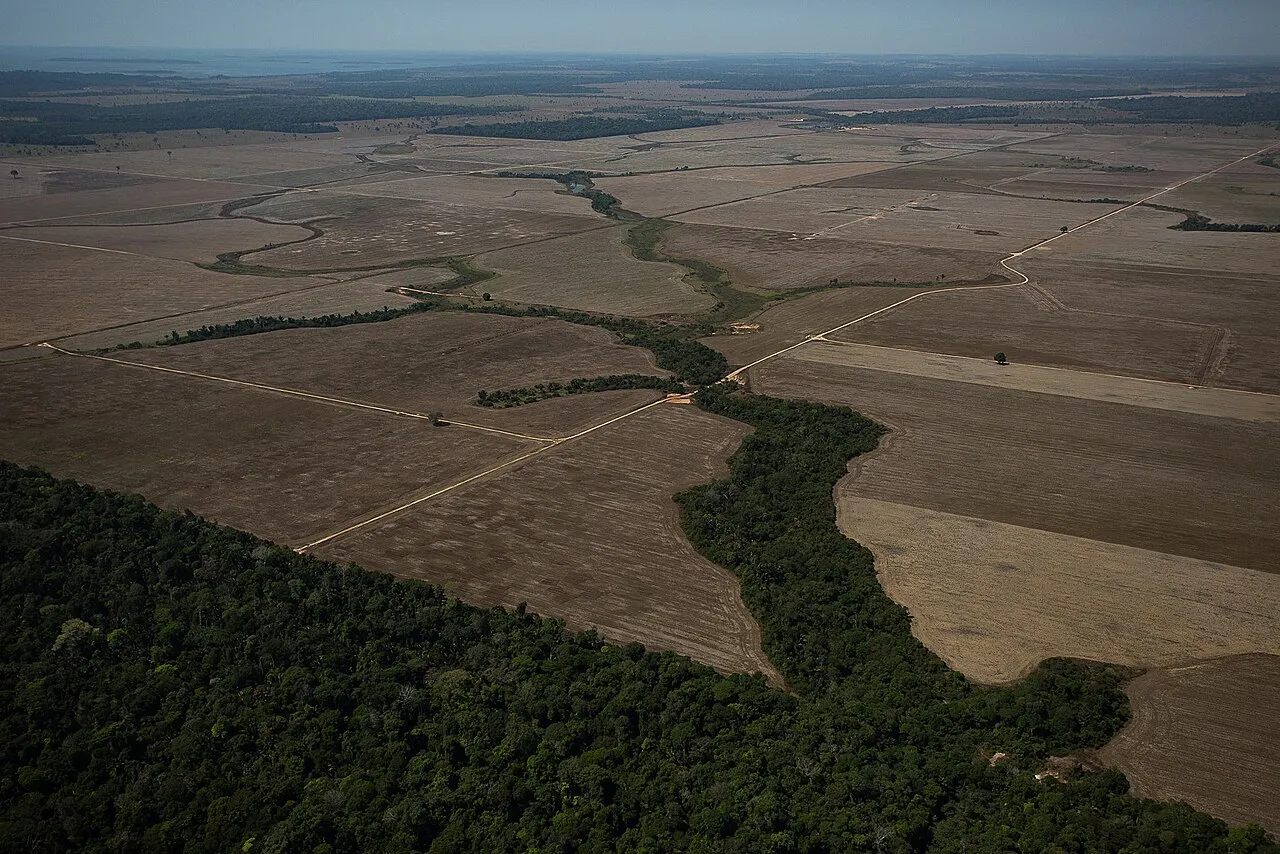
Land-use change — what enters the ledger when forest is cleared for pasture or cropland — produced 814 million tonnes of gross emissions in 2025, 15% below the 957 million recorded in 2024. In net terms the gap is far wider: from 311 million to 162 million tonnes, a 48% drop and the lowest figure in the entire SEEG series.
Even so, the sector remains the country's largest gross emitter, at 39% of the total.
The other sectors did not follow:
- agriculture: 626 million tonnes, essentially flat (-0.1%), equal to 30% of gross emissions;
- energy: 427 million tonnes, up 1.2% from 422 million in 2024, or 21% of the total;
- waste: 96 million tonnes, up 3.6% — the largest increase in the survey;
- industrial processes: around 94 million tonnes, up 0.2%.
Within the energy sector, researchers singled out transport as the outlier. "Transport emissions keep setting historical records," said Ingrid Graces of the Instituto de Energia e Meio Ambiente (Iema, Institute for Energy and the Environment), presenting the data.
Close to the target, but above it
The climate pledge Brazil made in its first Nationally Determined Contribution (NDC) under the Paris Agreement, revised in 2023, capped net emissions at 1.32 billion tonnes of CO2e for 2025. At 1.41 billion, the country came in roughly 85 million tonnes above that ceiling, a gap of about 6%.
The second NDC, presented in 2025, sets a range of 850 million to 1.05 billion tonnes for 2030. In other words, the pace that cut net emissions by nearly a tenth in a single year has to hold — and now in sectors that do not depend on deforestation.
That is the point made by SEEG coordinator David Tsai, a researcher at Iema, who called the cumulative reduction "a feat worth noting": "Over the past four years, Brazil has been playing catch-up and has cut its gross emissions by a quarter." Tsai also described the fall in deforestation as "a great victory", while warning that future targets will be hard to meet if other sectors do not start cutting.
What the preliminary 2026 data suggest
Early estimates from the Observatório do Clima point to negative net land-use emissions in 2026 — around -24 million tonnes, the first negative value in the series, the result of less deforestation combined with more regrowing land. On that basis the organisation projects a total of 1.23 billion tonnes for the year, within what the target requires.
Per person, Brazil's gross emissions came to 9.6 tonnes in 2025. Excluding deforestation, the figure drops to 5.8 tonnes — below the world average of 6.3 tonnes per person a year cited in the report.
With information from SEEG/Observatório do Clima, Agência Brasil and #Colabora.