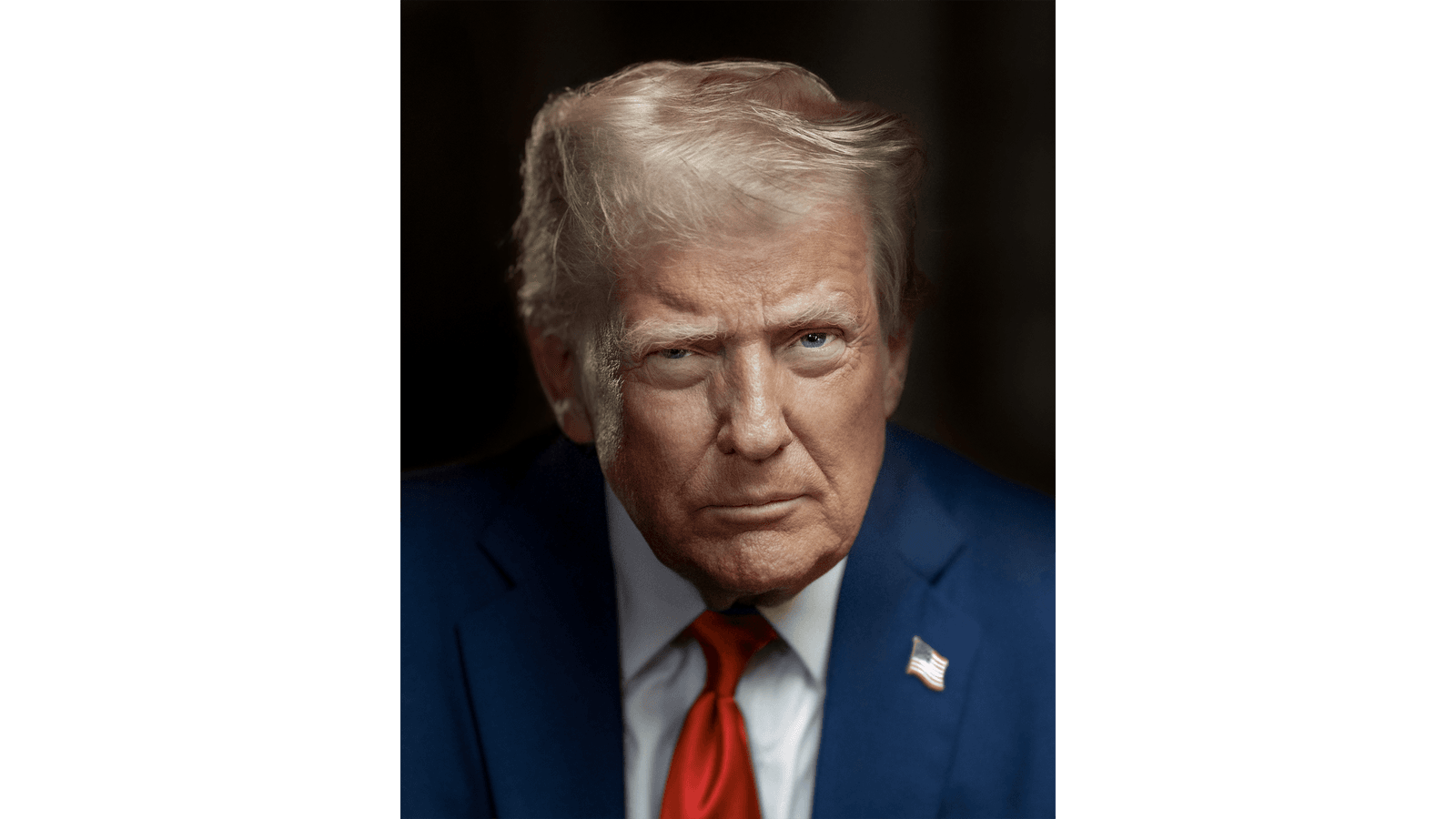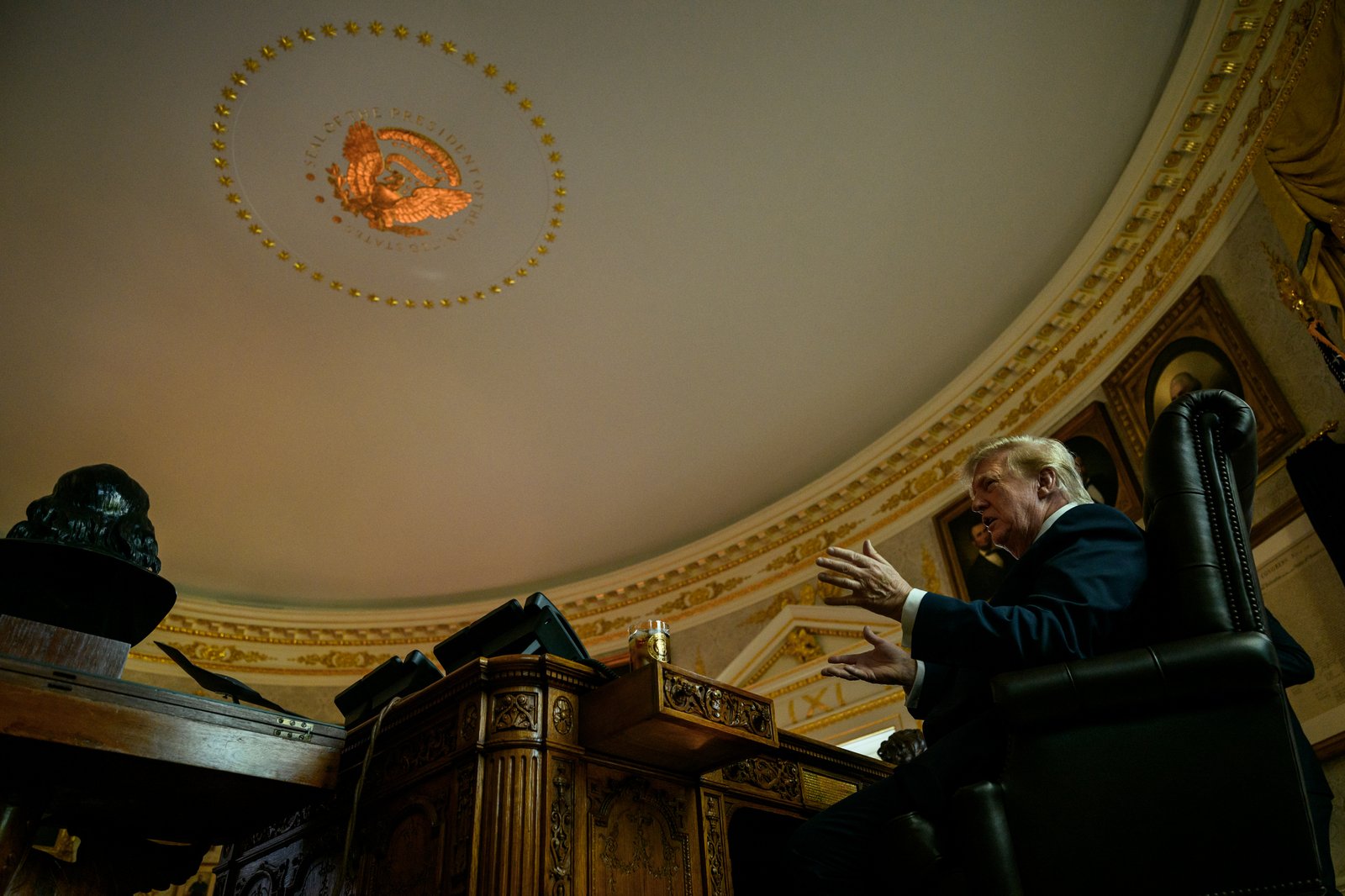
President Donald Trump announced from the Oval Office on Friday, September 18, 2026, that all 50 state Medicaid programs — plus Washington, D.C. and Puerto Rico — have joined a federal payment model that ties what the program pays for certain brand-name drugs to the lowest price paid in other wealthy countries.
The model, which the administration calls GENEROUS, applies the "most favored nation" benchmark that Trump set out in an executive order signed on May 12, 2025. The first manufacturer agreement, with Pfizer, was announced on September 30, 2025. Friday's announcement is about coverage: the last states have now signed on, and the administration says the arrangement reaches hundreds of individual drugs in classes including cancer treatment, diabetes care and asthma.
What the administration is claiming
According to the White House fact sheet released alongside the announcement, 26 manufacturers have signed most-favored-nation agreements, covering roughly 89% of the U.S. branded drug market. The list includes Pfizer, Eli Lilly, Novo Nordisk, Merck, Johnson & Johnson, AbbVie, Sanofi, Novartis, GSK, Bristol Myers Squibb, Gilead Sciences, Amgen, Regeneron and Teva.
The projected savings, all from the administration's own accounting:
- $64.3 billion for Medicaid over the next decade, split between $36.6 billion for the federal government and $27.6 billion for the states;
- $600 billion over ten years across all the most-favored-nation deals combined;
- more than $700 million in patient savings through TrumpRx.gov, the direct-purchase site launched on February 5, 2026, which the White House says now lists more than 1,000 medicines.
The same document says the 26 companies have committed about $170 billion to manufacturing and research in the United States, and credits the policy with the steepest annual fall in prescription drug prices in more than 60 years.
What cannot be verified
None of the 26 agreements has been published, which leaves the central numbers outside independent reach. One estimate circulating on Friday put the ten-year figure at $529 billion rather than $600 billion — a $71 billion gap between two accounts of the same set of undisclosed contracts.
The gap matters because the discounts are not uniform. In a report published on September 17, NPR found that manufacturers would not confirm the discounts apply across their catalogs: Gilead referred to "selected" products, Sanofi to "certain" medicines, and Eli Lilly said it expected "many" of its drugs to be included. Thomas Hwang, a researcher who studies drug pricing, warned in the same report that companies "might publicly get credit for discounts that are actually negligible."
NPR also counted 40 states plus Puerto Rico with finalized agreements as of that date — the day before the White House said the number had reached all 50.
The scale of what is at stake
Medicaid covers about 66 million people and spent roughly $46 billion on prescription drugs in 2024, a 46% increase since 2019. That growth is what makes even a partial discount worth pursuing for state budgets, and what makes the absence of published terms consequential: states that opt in accept the model's pricing while giving up some control over coverage restrictions, and cannot easily forecast what they will actually save.
Two further questions go unanswered by Friday's announcement. The first is durability — the arrangements are voluntary agreements with an administration, not statute, and Trump has asked Congress to write them into law. Kathy Hempstead, a health policy researcher at the Robert Wood Johnson Foundation, has argued that lawmakers can hardly codify deals whose terms they have not seen. The second is reach: Americans without insurance, and those on commercial plans, are not covered by the Medicaid model and depend instead on TrumpRx or on the separate company-by-company discounts.
Reporting from the White House fact sheet of September 18, 2026, NPR, U.S. News & World Report and ClickOrlando.