The Federal Reserve raised interest rates on Wednesday, September 16, 2026, reversing course for the first time in more than three years as inflation stays stubbornly above the central bank's goal.
The Federal Open Market Committee (FOMC) lifted the target range for the federal funds rate by a quarter of a percentage point, to 3.75% to 4%. It is the first increase since July 2023. The decision was unanimous, 12-0, with no dissents.
What the statement said
The committee's assessment of the economy was upbeat. It described activity as expanding "at a solid pace," with resilient domestic spending, strong productivity growth and job gains keeping up with the growth of the labor force.
The problem is prices. The statement said inflation "remains elevated" and presented the hike as a way to support "a timelier return" to the Fed's 2% objective.
The projections
The Summary of Economic Projections released with the decision shows how far officials think they still have to go:
| Median projection | 2026 | 2027 | 2028 | Longer run |
|---|---|---|---|---|
| Federal funds rate | 4.1% | 4.1% | 3.9% | 3.2% |
| PCE inflation | 3.7% | 2.3% | 2.1% | 2.0% |
| Core PCE inflation | 3.4% | 2.5% | 2.2% | — |
| Unemployment rate | 4.1% | 4.1% | 4.1% | 4.2% |
| Real GDP growth | 2.3% | 2.4% | 2.2% | 2.0% |
A median of 4.1% for the end of 2026 sits above the new range's midpoint, which implies one more quarter-point increase at either the October or December meeting. The median then holds rates steady through 2027 before easing in 2028.
The gap between projected inflation of 3.7% this year and the 2% target explains the shift: officials do not see inflation fully back at goal until later in the decade.
Warsh: "too high for too long"
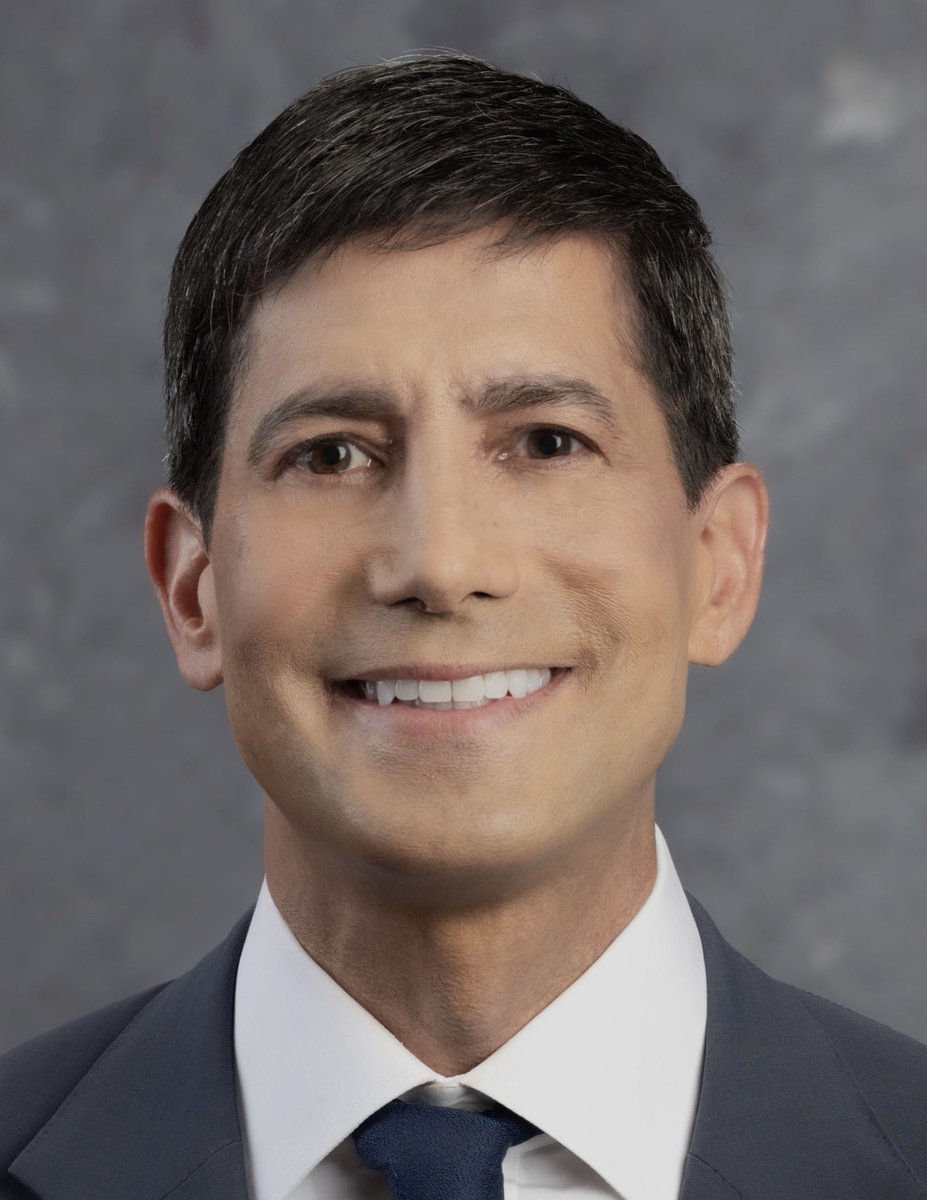
At his press conference, Chair Kevin Warsh said "inflation is too high and has been for too long," according to Fox Business and Kiplinger. He said the committee would not prejudge its next decisions and pointed to a firmer labor market, a lack of progress on inflation and geopolitical developments as reasons for acting now.
Wednesday's meeting was among the first major decisions under Warsh, who was sworn in as chair in May.
Why it matters
Higher rates raise borrowing costs for mortgages, car loans and credit cards in the United States. Abroad, a tighter Fed tends to strengthen the dollar and pull investment toward US assets, adding pressure on emerging-market currencies and central banks.
Reporting from the Federal Reserve, Fox Business and Kiplinger.