Foreign direct investment in Brazil's information and communication sector reached US$5.607 billion between January and September 2026 — the largest volume ever recorded for that nine-month window. The figure comes from Banco Central do Brasil (the central bank) data analysed by the Ministério das Comunicações (Ministry of Communications), and was released on Friday.
Five years, the same window
Totals for January to September, year by year:
| Year | Investment (Jan–Sep) |
|---|---|
| 2022 | US$3.363 bn |
| 2023 | US$4.285 bn |
| 2024 | US$4.994 bn |
| 2025 | US$5.188 bn |
| 2026 | US$5.607 bn |
Over four years, the flow has grown by about 67%.
The record rises, the pace does not
The series is worth reading by its annual change, not only by its peak. From 2022 to 2023 the increase was 27.4%; from 2023 to 2024, 16.5%; from 2024 to 2025, 3.9%; and now, 8.1%.
In other words: 2026 is the highest figure in the series and, at the same time, is growing at a third of the 2023 pace. The recovery from an almost flat 2025 is real, but the rapid-expansion plateau of the early years has not returned. That is the difference between a sector that consistently attracts capital and a sector in a sprint — and, today, the numbers describe the former.
Where the money goes
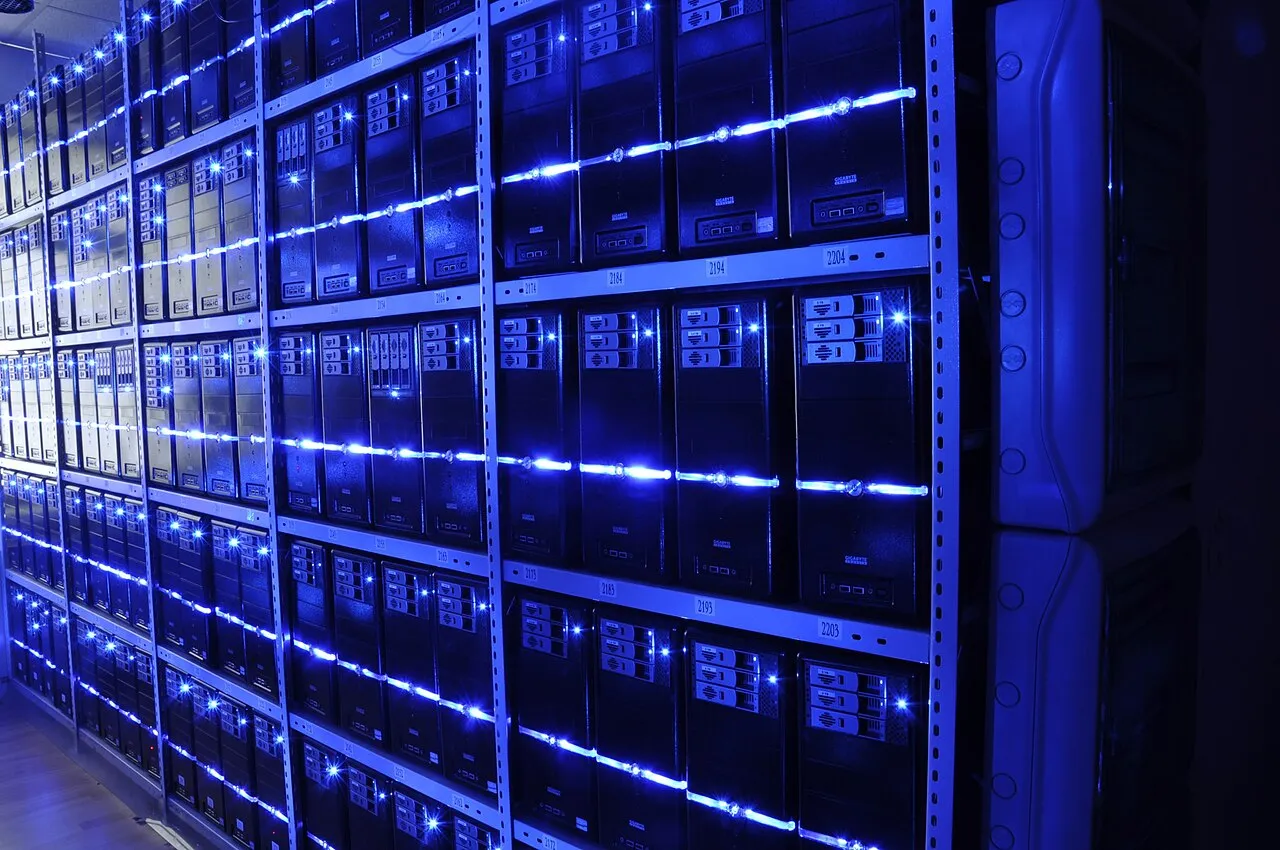
The ministry attributes the inflow to demand for telecommunications infrastructure, high-speed connectivity and digital services, and lists mobile networks, fibre optics, data centres and information services as the core components. It did not break down how much goes to each item — in particular, it did not say how much of the US$5.607 billion went to data centres, today the most contested line in that account in practically every market.
"We are working to expand connectivity, modernise networks and create an environment favourable to innovation," said the minister of communications, Frederico de Siqueira Filho, commenting on the data.
One caveat for readers: the category is "information and communication", a broader classification than telecommunications. Surveys that isolate the telecom segment alone arrive at considerably smaller figures for 2026, and the two numbers are not comparable with each other.
With information from Agência Gov, the Ministério das Comunicações, the Banco Central do Brasil and IPNews.