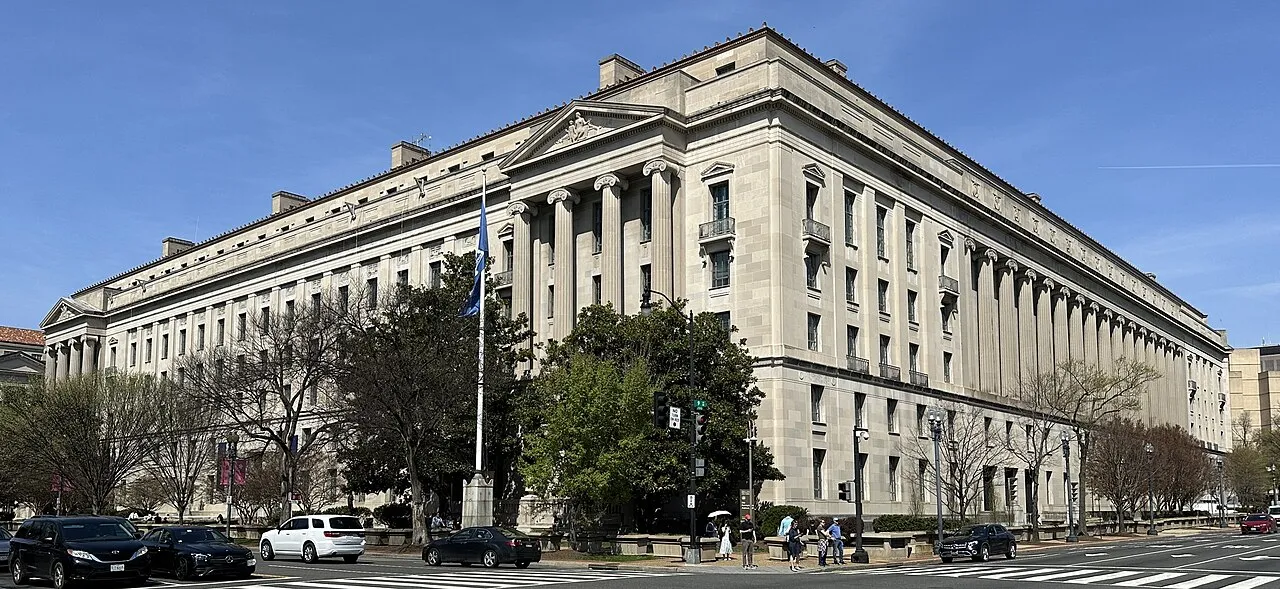
The Justice Department is asking a federal judge in Los Angeles to order California election officials to pull aside the mail ballots of more than 20,000 people that federal agencies have labelled "likely noncitizens," and to leave those ballots out of the count until each voter's citizenship is independently confirmed. The request, filed as an emergency motion on Monday, October 19, 2026, would take effect two weeks before a general election in which control of Congress is at stake.
California's answer, filed on Tuesday, October 20, is that the list the case rests on does not survive contact with the state's own records.
Los Angeles County, which holds the largest single block of the names, reviewed a sample of them. In a declaration filed with the court, Assistant Registrar-Recorder Monica Flores wrote that "the October List is unreliable."
What the sample showed
Of the roughly 20,000 statewide records, 7,035 carry Los Angeles County addresses, and some of those are duplicates, according to County Registrar-Recorder Dean Logan. The county pulled 200 of them for a preliminary check.
In 25.8% of the 200 records, the voter had given a United States birthplace — a figure the county called a strong indicator of citizenship, while cautioning that it does not prove citizenship in every case. Among only those records where a birthplace was reported at all, the share rose to 38.9%. Place of birth is requested on California's online registration form but is not required, which is why the two percentages differ.
The registration status of the sample also cut against the premise of the filing. Of the 200 records, 112 were canceled or inactive: 42.9% canceled and 4.6% inactive, against 42.4% active. More than 71% of the voters had never cast a ballot, and only 45% had been mailed a ballot for the current election.
Where the list came from
The Justice Department says the names came out of a multilayered investigation drawing on voter rolls, immigration files and other federal data, with United States Citizenship and Immigration Services and Homeland Security Investigations taking part. It was delivered to Los Angeles County on a thumb drive, which county officials declined to open on security grounds; the department emailed the same list as a spreadsheet the next day.
In its filings the county describes a process that began with a voter roster more than a year old, from a source the government does not identify, supplemented by an unnamed commercial data platform. A federal declarant conceded that some of the information may be "incomplete, outdated, or mismatched." The list carries no confidence ratings and no statement of the evidence behind any individual name, and it lacks the unique identifiers used in the county's voter system, so matching has to be done by hand against names, birth dates and addresses.
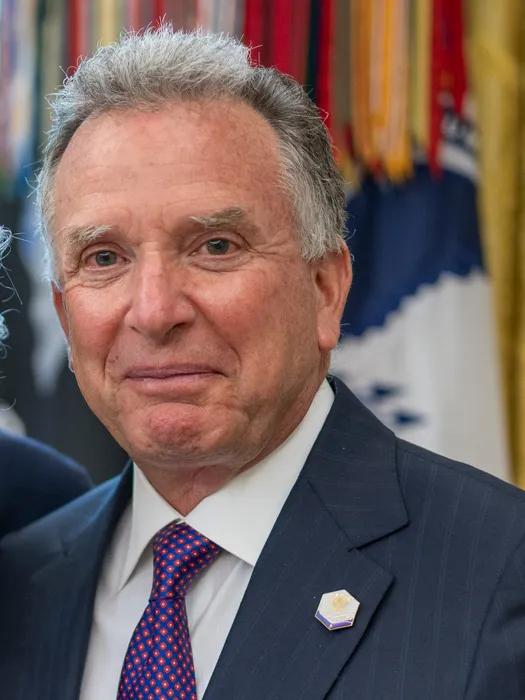
Acting Deputy Attorney General Trent McCotter, at a news conference in Los Angeles on Monday, said some people on the list may turn out to be citizens and acknowledged the department is "not perfect." He also described the list as "just the floor." Kiersten Pels, a Justice Department deputy press secretary, said in a statement that "California cannot facilitate the violation of federal law."
Charges against 28 green-card holders
On the same day it sought the emergency order, the department announced criminal charges against 28 people drawn from the list, all of them lawful permanent residents. By the state's count, 22 of them voted, five only registered and one cast a provisional ballot in 2020. One defendant, Kamlesh Shah, 68, told the Sacramento station KCRA 3 that he had believed he was allowed to vote because he held a Real ID.
Attorney General Rob Bonta put the 28 cases at about .0001% of California's 23 million registered voters. He called the lawsuit a "reckless political stunt" that "threatens to disenfranchise thousands of Californians this election," and said the administration has lost 26 suits seeking unredacted voter rolls from states. Secretary of State Shirley Weber refused a department demand, sent on October 13, to review the list within 48 hours; the government sued two days later.
Governor Gavin Newsom said that "any credible allegation of voter fraud should be taken seriously and investigated," while questioning the timing. State officials say they have been complying with federal grand jury subpoenas covering about 300 people.
Federal claims of this kind have shrunk before under checking. In Nevada, the Department of Homeland Security said nearly 16,000 noncitizens might be on the rolls; of 185 names actually sent to the state, all were confirmed citizens. In Pennsylvania the figure cited was more than 14,000, and nine people were charged. In California, the number floated in July was 190,000.
Twelve days to the election
The case, United States v. State of California, changed hands this week. It was assigned on Tuesday to Judge John Holcomb, nominated to the bench by President Donald Trump in 2020, and taken over on Wednesday by Judge David O. Carter, a Clinton appointee who in January dismissed a separate department suit seeking California's unredacted voter file. The transfer treats the two as related matters.
The government's legal hook is 18 U.S.C. § 611, the criminal statute barring noncitizens from voting in federal elections. California argues Congress never authorized the Justice Department to use it as a civil lever over how a state runs an election, and that the proposed order sets no deadline for resolving a voter's citizenship, no way to contest a wrong match, and no guarantee that a ballot wrongly held back would ever be counted. The department has acknowledged that individually investigating thousands of people before the election ends is not feasible.
Election day is November 3. No hearing date has been announced.
Reporting from NPR, Democracy Docket and CalMatters.