Paramount Skydance settled on September 21, 2026, with the 12 state attorneys general who had gone to court to stop its takeover of Warner Bros. Discovery, clearing the last regulatory obstacle in front of one of the largest media deals ever attempted.
The states sued in July 2026 under the Clayton Antitrust Act. What ended the case was not a divestiture but a list of promises about how the combined company will behave — how many films it releases, how much it spends in the United States, which lots it keeps, and who watches over its two newsrooms.
What the states extracted
The commitments run through the end of the fifth calendar year after the deal closes, which is expected to mean December 31, 2031.
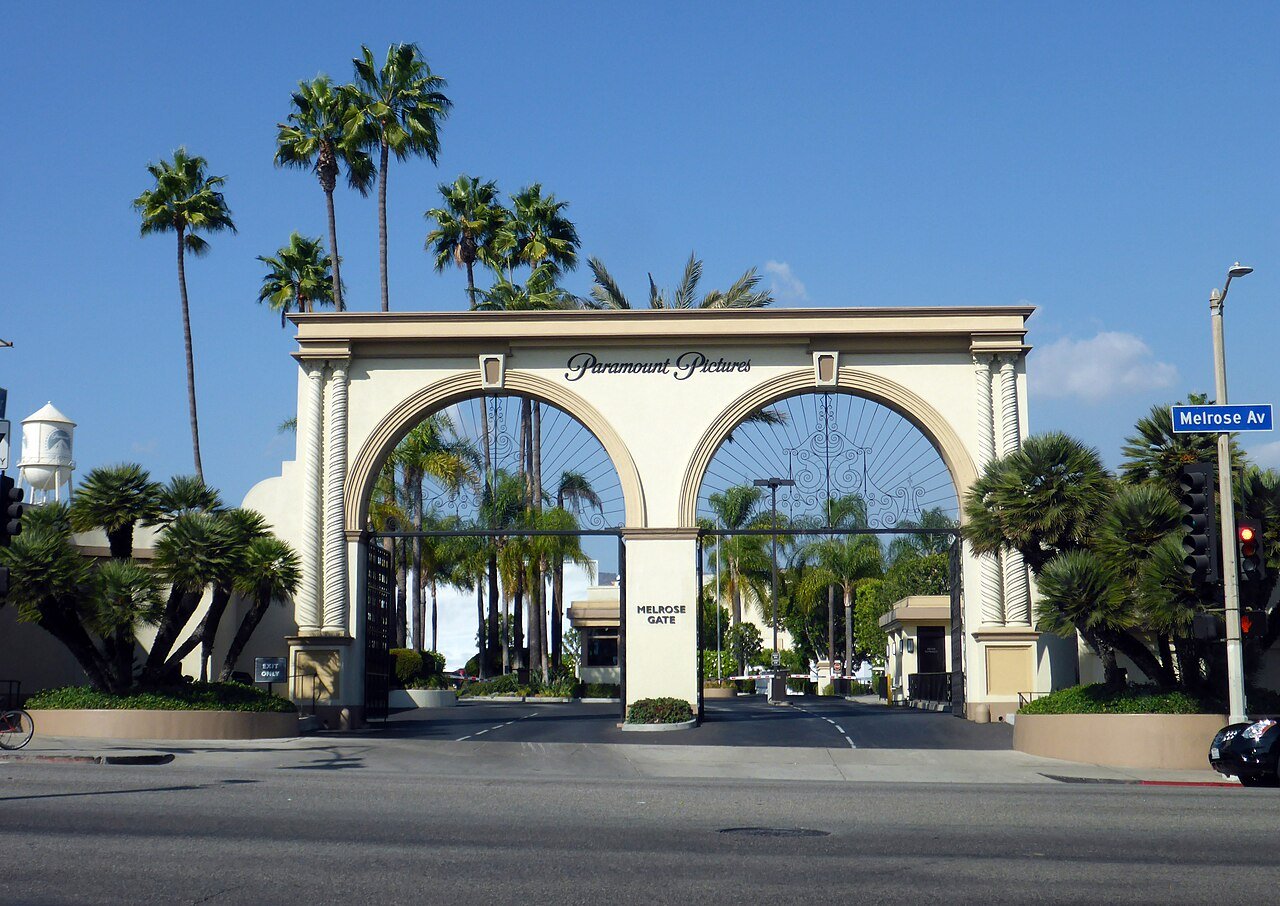
- The lots stay. Paramount must keep production running at both 5555 Melrose Avenue in Los Angeles and 4000 Warner Boulevard in Burbank, and cannot sell either property for at least five years.
- Production spending. An additional minimum of $300 million a year on US film production — $1.5 billion over the five years.
- Film output. At least 30 theatrical releases a year in the first two years, with 20 of those wide releases, rising to 32 films a year with 21 wide releases in years three to five. At least four independent films a year, plus a $5 million annual fund to acquire independent titles, $25 million in total.
- Theatrical windows. A wide release must hold a 45-day window in cinemas before moving to a subscription service such as Paramount+, according to Variety's reading of the terms.
- Cable. Paramount and Warner Bros. Discovery must keep negotiating their cable packages separately, so that the merger does not collapse two negotiating partners into one.
Missing the film commitments carries a price. A shortfall triggers a $30 million contribution per film to union health and retirement funds, and failing the independent-film obligations would force Paramount to divest Miramax outright.
A board between the owner and the newsrooms
The settlement also creates a News Editorial Independence Board to oversee editorial operations at CNN and CBS News, backed by an internal compliance monitor and an independent monitoring trustee.
That provision answers the objection that had least to do with antitrust arithmetic: that one owner would control both networks' journalism. It is a structural answer to a question about editorial control, which is unusual in a merger settlement.
What each side said
California Attorney General Rob Bonta was careful to separate the settlement from approval of the deal itself, calling it "not a vote of support for this merger" while acknowledging that the company had negotiated in good faith.
David Ellison, who runs Paramount Skydance and emerges from the deal as one of the most powerful figures in American media, thanked state officials "for engaging in good faith to find a path forward" and pointed to the commitments on film output and domestic production.
What remains
The acquisition was announced on February 27, 2026, valued at $110.9 billion, or $31 a share in cash, after Paramount's bid prevailed over a competing offer from Netflix. International regulators — among them the United Kingdom, the European Union, Japan, Canada, China, Brazil, India, Mexico and Australia — had signed off by August 2026.
With the states settled, the closing deadline stands at June 1, 2027. The antitrust trial that had been scheduled to run into April 2027 is what the settlement makes unnecessary.
Reporting from Axios and Variety.