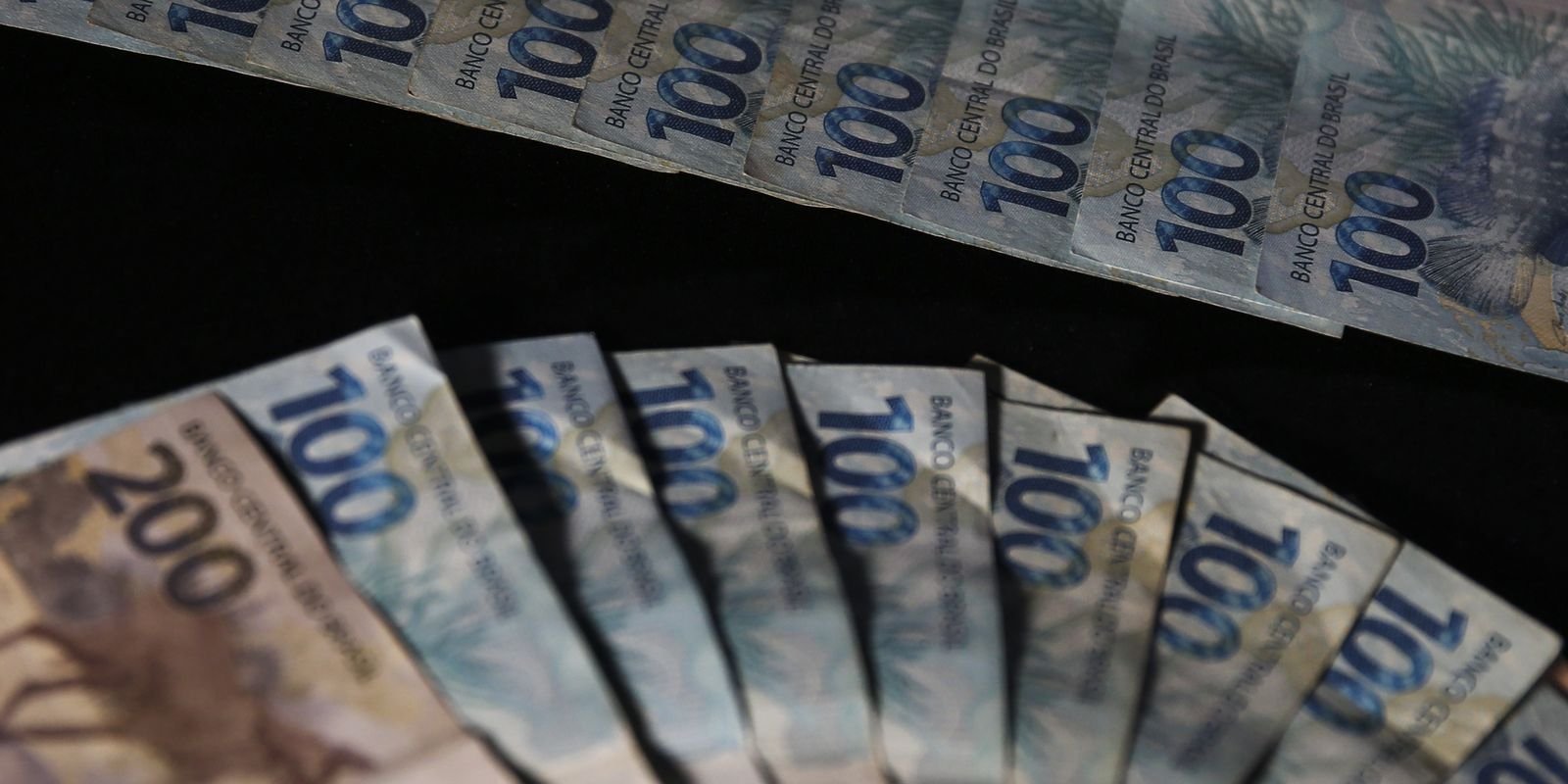
The budget bill the government sent to Congress in August promises to close 2027 with a primary surplus of R$ 18.6 billion. The Instituição Fiscal Independente (IFI), the independent fiscal watchdog attached to Brazil's Senado (Senate), redid the arithmetic and arrived somewhere else entirely: a deficit of R$ 86.1 billion.
The gap between the two projections exceeds R$ 100 billion, and it sits at the centre of Fiscal Monitoring Report No. 116, released on 17 September.
Where the distance comes from
The disagreement does not start with spending. It starts with the macroeconomic assumptions underpinning the revenue estimate.
The government is working with GDP growth of 2.5% in 2027. The IFI projects 1.8%, and the Focus survey, which aggregates market forecasts, sits lower still at 1.5%. On inflation the order reverses: the budget bill adopts an IPCA consumer price index of 3.6%, against the IFI's 4.0% and Focus's 4.3%.
Slower growth means a smaller wage bill, less consumption and thinner profits — and, at the end of the chain, less tax collected than the budget assumes. That is how a seven-tenths gap in GDP turns into tens of billions on the bottom line.
The freeze the IFI sees coming
To keep the formal target within reach, the report estimates the federal government will have to freeze at least R$ 35.7 billion over the course of 2027 — and that calculation does not yet include the R$ 33.8 billion earmarked for the compensation fund tied to Brazil's new selective tax.
A freeze is not a permanent cut: it is spending held back mid-year, which can be released if revenue improves. In practice, though, it falls almost entirely on investment and discretionary running costs, the narrowest slice of the budget.
What cannot be touched
The rigidity of Brazilian federal spending shows up in the mandatory outlays set for 2027:
- Bolsa Família, the cash-transfer programme: R$ 157.1 billion
- BPC, the benefit paid to low-income elderly and disabled people: R$ 145.1 billion
- Wage bonus and unemployment insurance: R$ 104.7 billion
- Precatórios, court-ordered payments owed by the state: R$ 97.7 billion, R$ 24.6 billion less than in 2026
- Pé-de-Meia, the student stipend programme: R$ 10.5 billion
Taken together, these lines explain why any adjustment tends to concentrate where discretion exists — and why that room is small.
The debt on the horizon
The IFI judges that even if the fiscal target is formally met, the outcome will fall well short of what is needed to stabilise the ratio between public debt and GDP. Gross general government debt stands at 82.5% of GDP and could reach 86.4% by the end of 2027, according to the report.
The document also links the fiscal picture to the risk premium demanded by buyers of Brazilian bonds: high real interest rates, it argues, are not explained by monetary policy alone.
The 2027 budget bill still has to be examined and voted on by the Congresso Nacional (National Congress), which can change revenues, spending and the target itself.
With information from Agência Senado and the Instituição Fiscal Independente (Fiscal Monitoring Report No. 116).