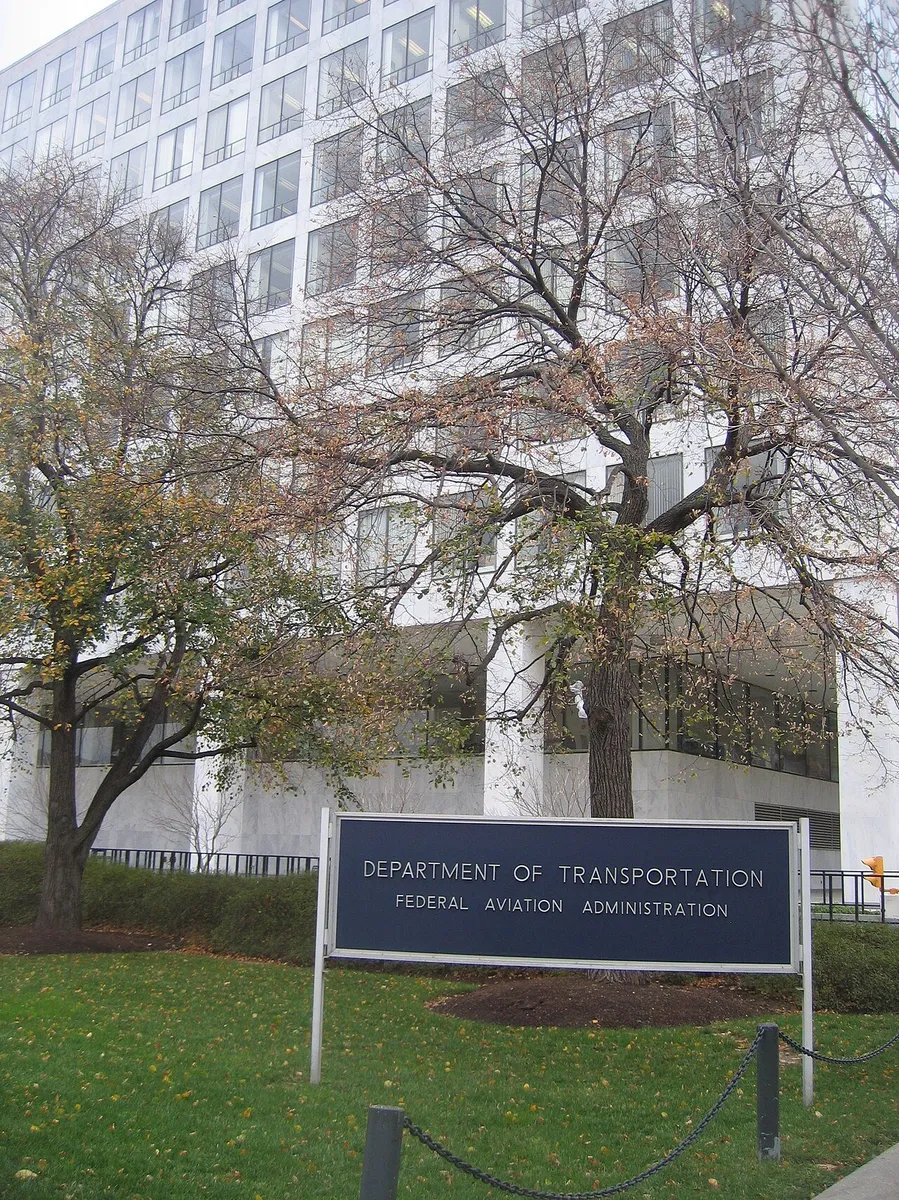
A federal regulator does not usually own a piece of the company it regulates and pays. The Federal Aviation Administration is negotiating to do both.
Politico reported on October 15, 2026, citing internal agency documents, that the FAA has drafted a term sheet for an equity stake in Air Space Intelligence, a Boston company, and is negotiating a warrant that would give the government the right to buy the company's shares at a set price. The preliminary terms expire at the end of 2026, and the documents do not say how close a final agreement is.
Air Space Intelligence holds FAA work worth up to $875.9 million, awarded in June 2026. FLYING reported the award as a 12-year contract.
What the system does
The contract covers two linked systems. The larger one is SMART — Strategic Management of Airspace, Routes and Trajectories — an AI platform designed to find congestion before it forms and recommend changes before aircraft leave the ground. It pulls together roughly 200 data streams, among them weather, flight paths, traffic flow and controller staffing. The second, Flow Management Data and Services, helps the FAA's Command Center weigh flight demand against the capacity actually available.
The agency's staff review what SMART proposes, and local traffic management managers can accept or reject its scheduling suggestions. Limited use began around Washington, D.C., on September 21, 2026, after Transportation Secretary Sean Duffy and FAA Administrator Bryan Bedford introduced the platform at a new center in the capital.
The objection in Congress
More than two dozen lawmakers are pressing for a pause. A letter dated October 9, 2026, led by Representative April McClain Delaney (D-Maryland) and addressed to Duffy and Bedford, asks the agency to stop the rollout at Reagan National, Dulles and Baltimore/Washington while it answers a specific list: which safety evaluations have been completed, how the system behaves in severe weather or during an equipment outage, what training personnel received, and what the initial 90-day evaluation must show before the platform expands nationwide.
"Explain who is accountable when something goes wrong," McClain Delaney said.
The National Air Traffic Controllers Association, the controllers' union, says it was not involved in developing or rolling out SMART.
The money behind it
An ownership stake would fold the agency's interests into its contractor's balance sheet at a point when the wider program is already under scrutiny. The air traffic control modernization effort of which SMART is part is estimated at more than $31.5 billion, and the Government Accountability Office has examined its exposure to cost overruns and schedule slippage.
It would not be the first time this administration has taken a position in a company it deals with: the government agreed in 2025 to acquire a 9.9% stake in Intel. What is new is the regulator's seat on both sides of the table — the body that certifies whether a safety system is fit to use would also hold a financial interest in the firm that sells it.
The FAA told Politico it could not immediately comment. Air Space Intelligence did not respond to Politico's request for comment.
Reporting from Politico, FLYING and AeroTime.