Prices in the United States rose more slowly in August than economists had penciled in, and the reading landed four weeks before a Federal Reserve meeting that markets had treated as a near-certainty for another rate increase.
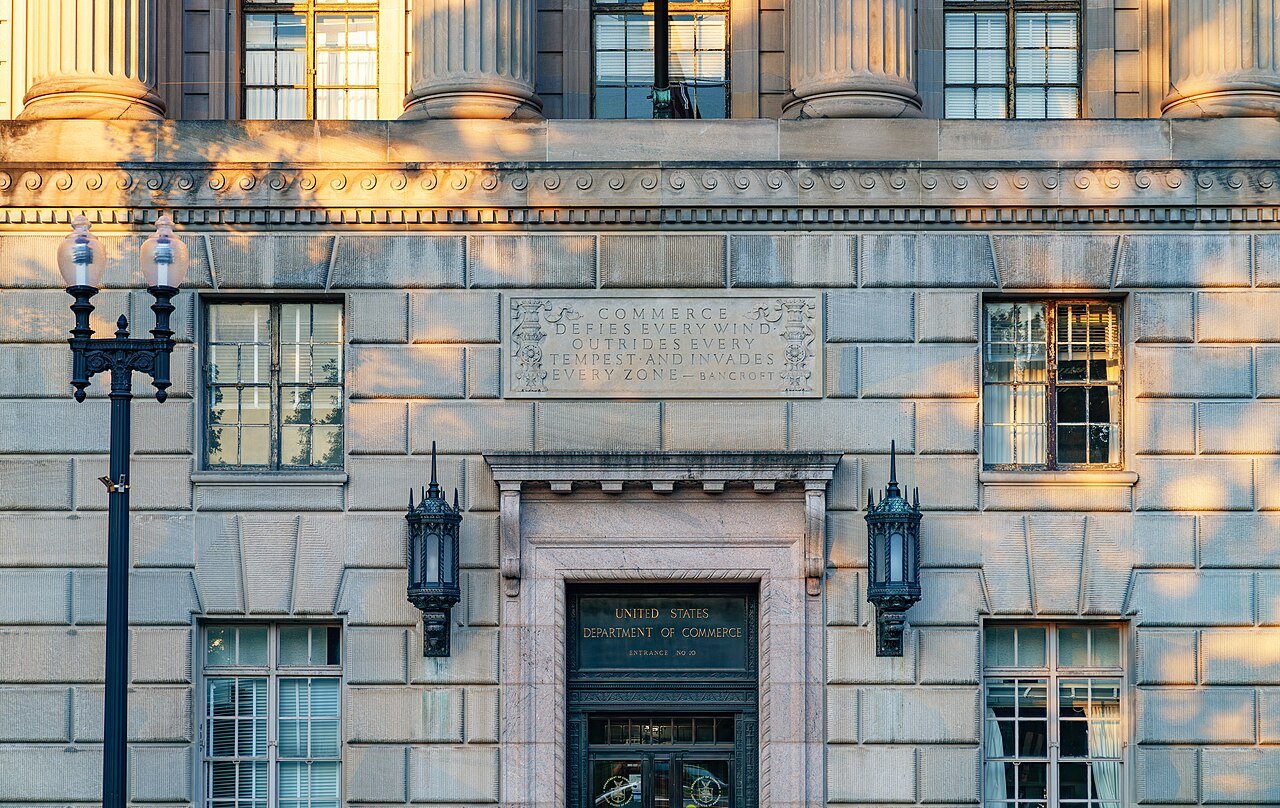
The Bureau of Economic Analysis, part of the Commerce Department, released its Personal Income and Outlays report for August on September 30, 2026. The personal consumption expenditures price index — the gauge the Fed targets — rose 0.3% from July and 3.4% from August 2025. Stripping out food and energy, the core index rose 0.2% on the month and 3.0% over twelve months.
Both monthly figures came in a tenth of a percentage point below the consensus forecast.
Spending ran hotter than prices
The same release showed an American consumer who has not stepped back. Personal income increased $66.6 billion, or 0.2% at a monthly rate. Spending rose far faster: $190.8 billion, or 0.9% in current dollars, which works out to a 0.6% gain once prices are taken out.
Households paid for that partly out of savings. Personal saving came to 4.1% of disposable income, a thin cushion by the standards of the past decade.
That combination — inflation drifting down while spending accelerates — is what makes the report awkward to read in one direction. The price data argue for patience; the spending data argue that demand is not yet doing the Fed's work for it.
What it does to October 28
The Fed raised its policy rate in September, and New York Fed President John Williams said afterward that one more increase this year was likely, while adding there was "no need for urgency" about it.
After the August figures landed, futures markets moved sharply. The implied probability of an increase at the Federal Open Market Committee's October 27-28 meeting fell from roughly 70% to about 41.5%.
"The less-than-feared price data for August may buy the Fed time to await more data and pass on October 28," economist Sal Guatieri said in a note quoted by news agencies.
A pass in October would not be the same as a halt. With core inflation still a full percentage point above the Fed's 2% target and consumption running at 0.9% a month, the balance of forecasts still points to one more increase before the end of the year — just not necessarily at the next meeting.
A revised set of books
One detail in the release complicates comparisons with earlier reports: the August figures incorporate the annual update of the National Economic Accounts, with revisions reaching back to January 2021. The update takes in first-quarter wage and salary data and revised information on Medicaid benefits.
That means some of the monthly path of income and saving published earlier this year no longer matches what the agency now shows. The August inflation rates themselves are the newly measured ones, which is the number the Fed will be looking at.
The next hard data point before the October meeting is the labor market, and it arrives first.
Reporting from the Bureau of Economic Analysis's Personal Income and Outlays release for August 2026 and wire coverage of the market reaction.