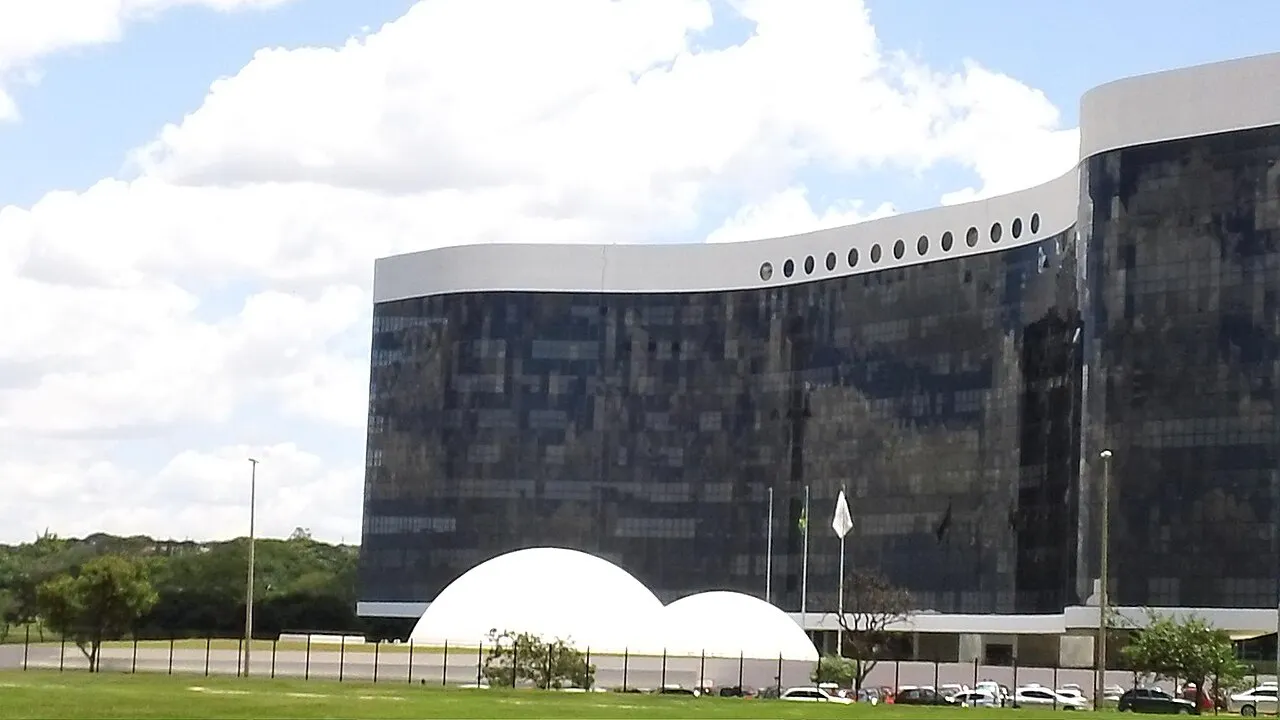
Brazil's presidential runoff on October 25 is, for Washington, a vote on who will sit across the table in two negotiations the United States has already opened: how long a 25% tariff on Brazilian goods stays in place, and how much of Brazil's rare earths and critical minerals American industry can buy.
In the October 4 first round, Senator Flávio Bolsonaro of the Liberal Party took 47.03% of valid votes — 56,104,268 — against 45.16%, or 53,876,617 votes, for President Luiz Inácio Lula da Silva of the Workers' Party, with more than 99.99% of polling stations counted. Neither reached a majority, so the two go to a second round in an electorate of 158,745,463 registered voters. Augusto Cury finished third with 2.89%, followed by Renan Santos at 2.24% and Ronaldo Caiado at 2.18%.
The tariff on the table
The duty in question is a Section 301 action, not one of this administration's across-the-board tariffs. The U.S. Trade Representative determined on June 1 that Brazilian policies were unreasonable or discriminatory, finalised the response on July 15, and the 25% charge took effect on July 22, stacked on top of existing duties.
Its reach is narrower than the headline rate suggests. More than 2,100 tariff classifications are exempt, including the Brazilian exports Americans buy most of — beef, coffee, oranges and orange juice, and civil aircraft and parts. Pig iron, instant coffee, some seafood, hides and leather, pharmaceuticals and used clothing are also out. Requests to exempt agricultural and industrial machinery, apparel, footwear, electrical equipment, paper and organic sugar were refused. Goods already covered by sectoral tariffs — some steel, aluminium, copper, vehicle, wood and semiconductor products — are not charged the new duty on top.
Brasília's own numbers, cited when the measure was announced, argue that the premise is wrong: a $424.5 billion U.S. surplus in goods and services trade with Brazil over fifteen years, 76% of Brazilian imports from the United States entering duty-free in 2025, and an average applied tariff of 3.1% on American goods. "There is no justification for unilateral measures against the country," the Brazilian government said, calling July 15, 2026 "a regrettable milestone" in the relationship.
Last month the two governments set up a working group on the tariff and a broader trade framework, with Washington expected to send a proposal within weeks. Whoever wins on October 25 receives that proposal.
The part that is not about tariffs
The harder file is minerals. The United States is trying to reduce its dependence on China for rare earths and other critical inputs, and Brazil holds some of the largest reserves outside it. Access is the point of friction, and it is where the two candidates diverge most sharply — China and the United States are Brazil's first- and second-largest trading partners, in that order.
Flávio Bolsonaro has a working relationship with the Trump administration. He visited Washington in May and pressed the United States to designate Brazil's largest criminal factions as Foreign Terrorist Organizations, a proposal Washington accepted. Analysts quoted by Reuters expect a Bolsonaro government to align foreign policy closely with Washington, and warn that the alignment carries a risk of concessions on strategic minerals.
Lula runs on sovereignty and multilateralism, closer ties with the Global South and the BRICS bloc, and rejected the terrorist designation as foreign interference, preferring a national security framework with international cooperation. His standing in the polls improved during his disputes with Trump over trade and security. A Lula win, the same analysts expect, would meet pressure from a right-leaning Congress to make concessions on natural resources anyway.
Behind both files sits the case that soured the relationship: Trump pressed Brazil to drop the charges against former president Jair Bolsonaro, who is serving 27 years for plotting a coup, and the tariff followed. That it is the son of the convicted former president who leads the first round is the part of this election Washington did not plan for.
Reporting from Reuters, Courthouse News Service and The Rio Times, with first-round figures from the Tribunal Superior Eleitoral count.