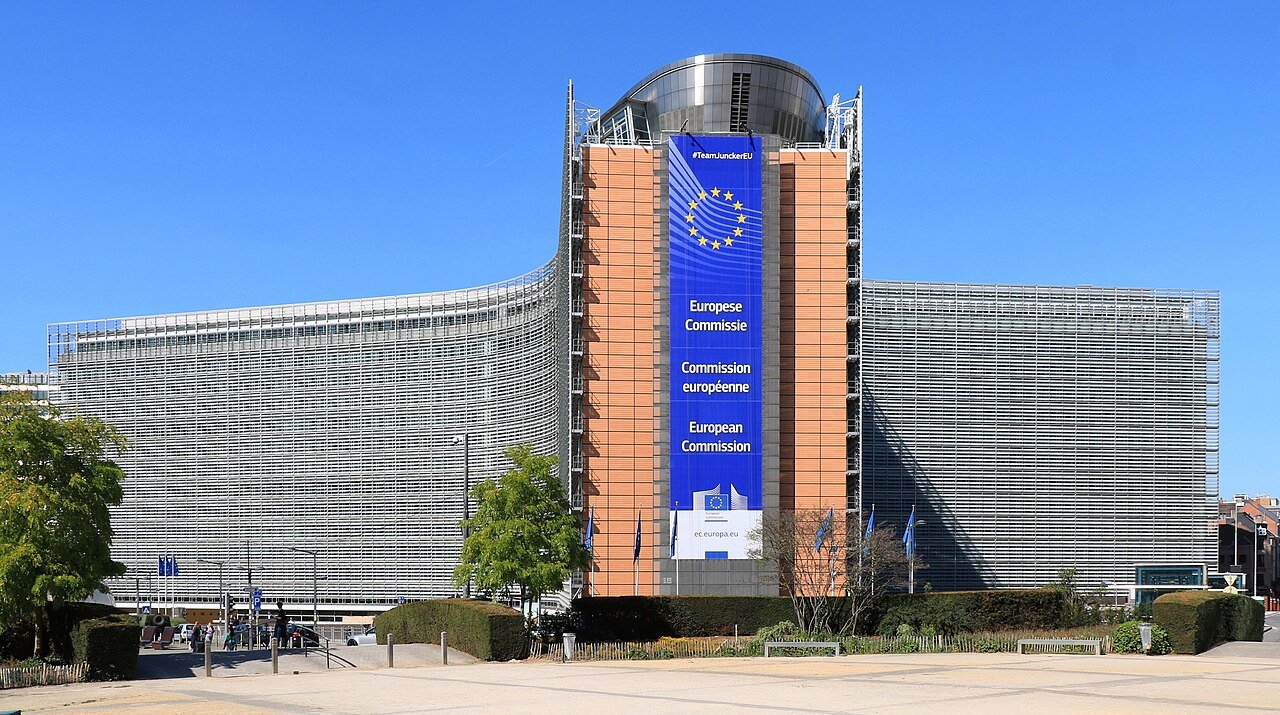
The European Commission hardened its message to Kyiv on Friday: the European money that can still reach Ukraine this year — around €20 billion — depends on laws the Ukrainian parliament has yet to pass. A €3.9 billion payment is already stalled for that reason.
What is on the table
The sum comes from two sources. Some €13.5 billion would come from the European support loan, and another €6.45 billion from the Ukraine Facility, the instrument created to fund reconstruction and the country's convergence with the European Union.
On Thursday, member-state governments unlocked a €2.9 billion instalment of the Ukraine Facility after ambassadors verified that 10 commitments had been met — among them changes to judges' integrity declarations, the appointment of a new electricity market operator, a plan to narrow the gender pay gap and road safety measures.
The second payment, of €3.9 billion, was held back. "It is essential that Ukraine continues to deliver on reforms," a Commission spokesperson said, adding that "timely implementation is key to enabling disbursements as planned".
The letter to lawmakers
The pressure did not start this week. On 14 September, Economy Commissioner Valdis Dombrovskis and Enlargement Commissioner Marta Kos wrote to the speaker of the Verkhovna Rada (Ukraine's parliament), Ruslan Stefanchuk, to remind him that "timely adoption of necessary legislation is essential to secure available EU financing".
The list of pending items is long and quite specific: insolvency rules for small and medium-sized companies, civil service reform, VAT simplification, state aid discipline, anti-money laundering measures and the disciplinary regime for prosecutors.
The thorniest item is fiscal: ending the customs exemption for low-value international parcels, a measure that hits platforms such as Temu and AliExpress head-on. The bill was rejected twice by the Rada before passing a first reading.
Why the hurry
On the Ukrainian side, the urgency is budgetary. President Volodymyr Zelenskyy flagged a $27 billion (about €23.75 billion) hole in the defence ministry's accounts and asked for disbursements to be brought forward. For 2027, the estimated additional need is €32.6 billion.
The support loan approved in April totals €90 billion, split into two €45 billion tranches earmarked for 2027 and 2028 — money that covers roughly two-thirds of Kyiv's budgetary needs over that period, but only starts flowing after this year.
Hence the uncomfortable arithmetic: the longer the Rada takes to vote, the less of what is already set aside arrives in 2026 — and the hole Kyiv has to close the following year grows rather than shrinks.
With information from Euronews and The Kyiv Independent.