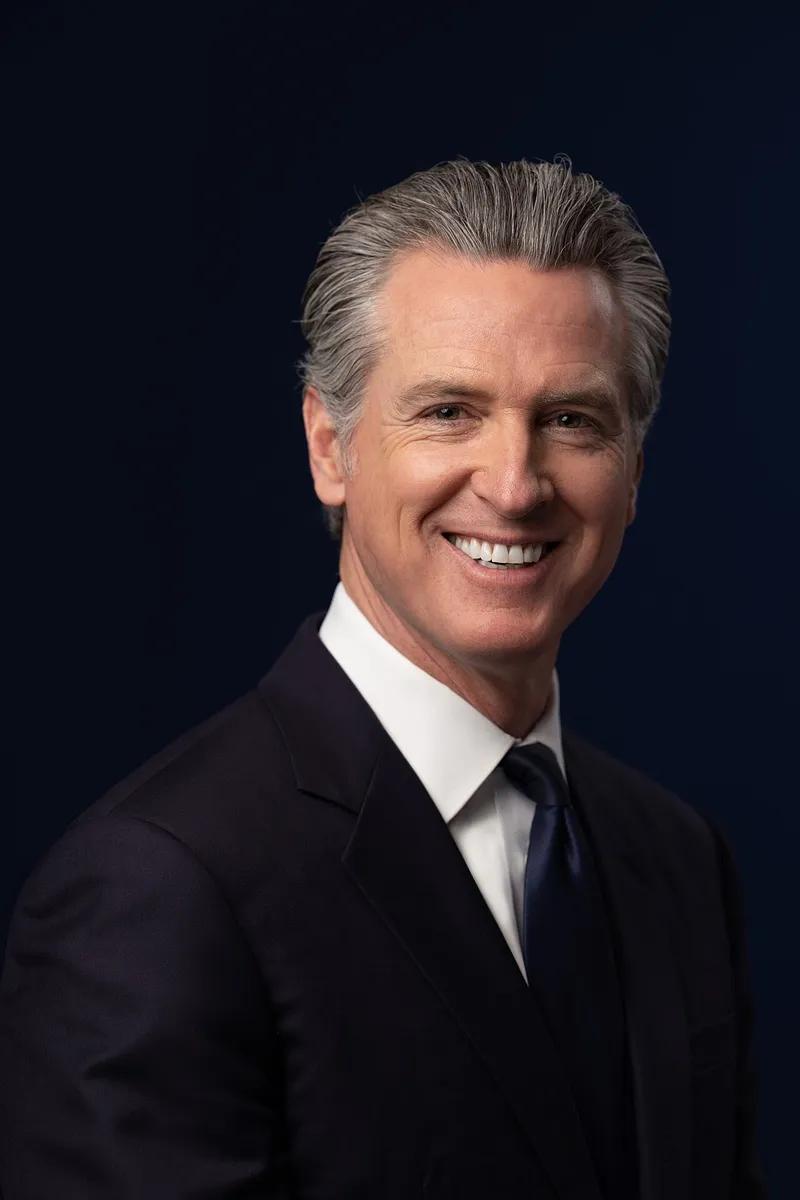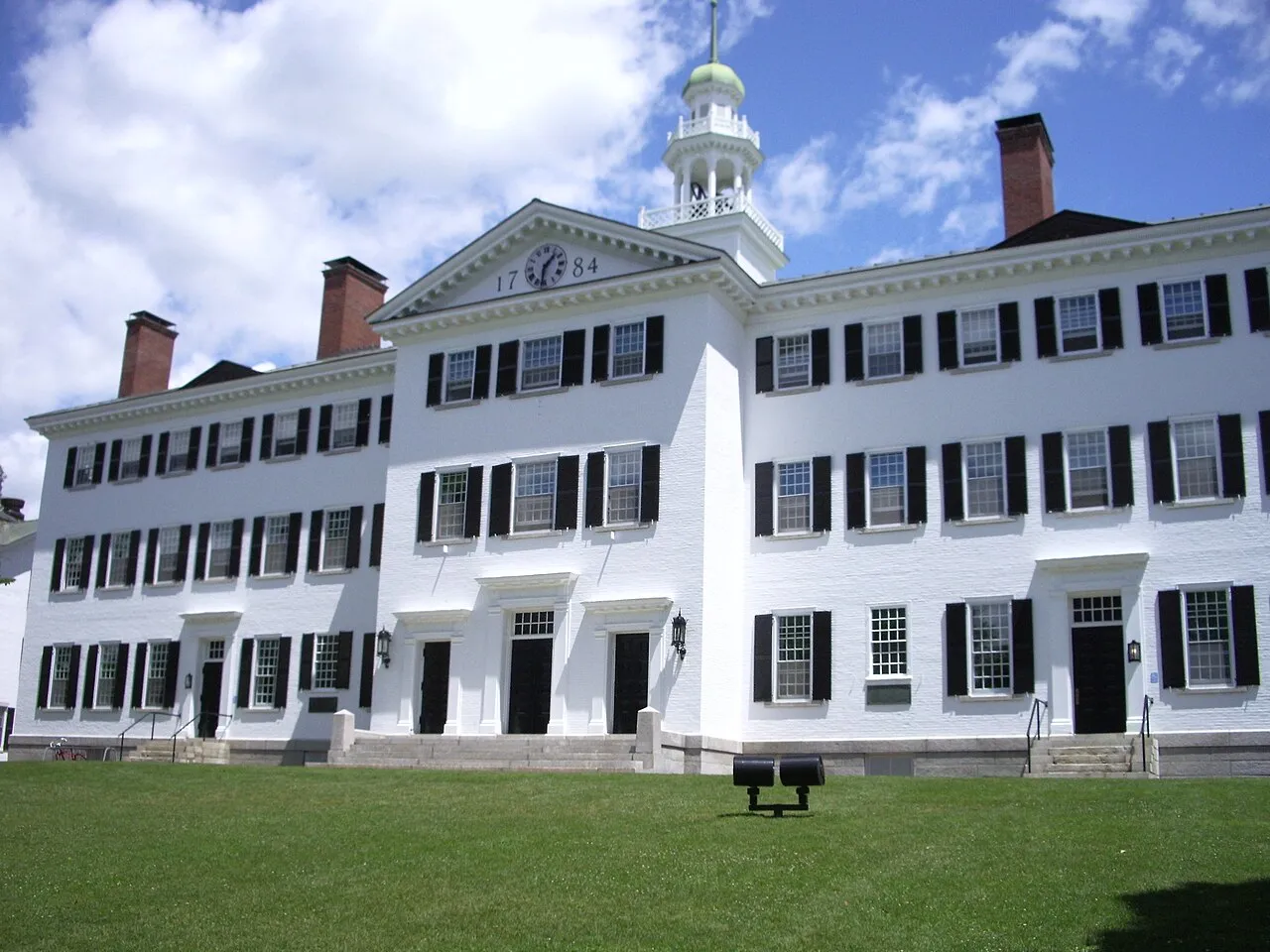
Santiago Schnell resigned on Wednesday, October 28, 2026 as provost of Dartmouth College — the institution's chief academic officer — and is leaving the university, after a faculty-led review found he had used artificial intelligence to "meaningfully alter" his own writing and had not disclosed it where the publishers of that writing required disclosure.
President Sian Leah Beilock announced the resignation in an email to the campus community on Wednesday afternoon. "This was his decision," she wrote. Her message argued that senior leaders have to model the transparency and human judgment the college expects of its students and scholars, and noted that Dartmouth itself remains committed to the technology.
How it started: a detector, then a student newspaper
The case did not begin with the committee. In August, Semafor reported that Pangram, an AI-detection tool, rated an opinion essay Schnell had written for The Washington Post as at least 80% AI-generated. In September, the student newspaper The Dartmouth ran the same tool across nine professional articles he had published during the year — the Post essay and two mathematics papers among them — and reported a figure of 96%.
Schnell acknowledged using AI to help produce the texts but maintained it had not substituted for his research, his intellectual judgment or his authorship. He told Semafor he had used ChatGPT to sharpen arguments and check grammar in the Post column. Students and faculty said the conduct breached the college's honor code and called for his dismissal.
Beilock convened an independent advisory committee of faculty and alumni on September 25. It delivered an eight-page report on Tuesday, October 27.
What the committee did — and refused to do
The committee did not use AI detectors at all. Its evidence was documentary: the AI-use policies of the publishers involved, Schnell's own emails, and the activity logs of the AI account Dartmouth had provided him, which ran on Anthropic's Claude.
According to the report, Schnell handed over his university laptop for inspection but did not supply logs from his personal accounts with AI tools when asked, and did not make himself available to discuss his use of them.
The logs showed three distinct kinds of use. He had substantially edited a paper published in the journal ChemSystemsChem after it had cleared peer review; he had used the tool to troubleshoot code; and he had used it to generate figures.
The disclosure question turned on dates. Schnell said the journal's AI-disclosure requirement had come into force in 2025 and that he had worked from the 2025 author guidelines. The committee found the publisher had required disclosure since at least 2023.
One further sequence drew the committee's attention. The logs recorded Schnell asking the tool whether a forthcoming article of his — on academic freedom and Catholic mission — read as AI-written, then revising the manuscript along the lines the tool suggested. Once the controversy broke, he asked the editor to hold publication.
The committee's conclusion was that his disclosures understated how much he had used AI, that this was inconsistent with Dartmouth's standards of integrity and honesty, and that he had breached both a journal's policy and a national newspaper's. It did not recommend disciplinary action.
What happens now
Matthew Delmont, a history professor and associate dean of the faculty, becomes interim provost and will hold the post through June 2028. Inside Higher Ed reported that the resignation came less than two weeks before a no-confidence vote that faculty leaders had already scheduled.
The episode lands at an awkward moment for American universities, which spent the past two years writing AI rules for undergraduates while the disclosure obligations attached to faculty publishing — set not by the university but by journals and newspapers — went comparatively unexamined. Here the rules that decided the outcome were a publisher's and a newspaper's, and the evidence came from an account the university had issued itself.
Reporting from Inside Higher Ed, New Hampshire Public Radio, The Dartmouth and Semafor.