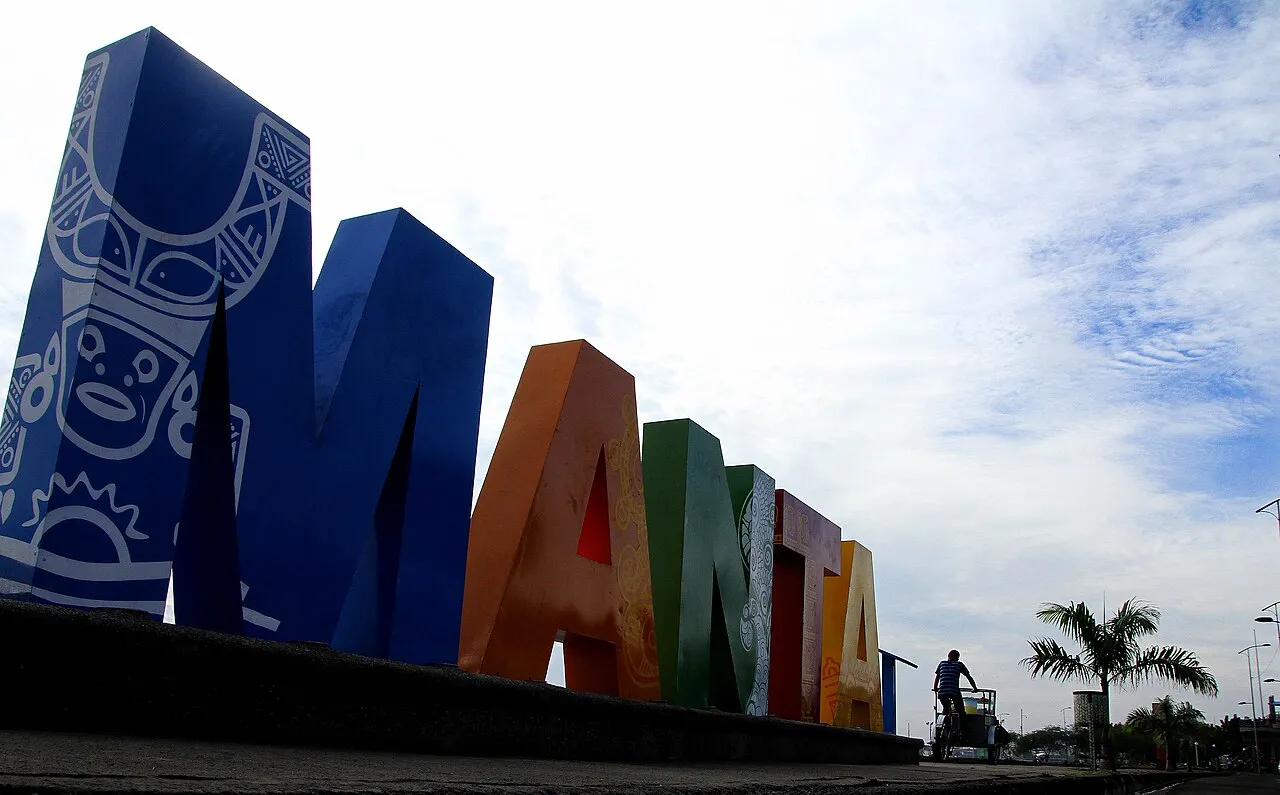
Ecuador's courts have decided the first of the three trials brought against fishermen whose boats were bombed by United States forces in Pacific waters: on 7 October 2026, a judge in Manta found no criminal responsibility on the part of 32 crew members.
Two cases remain open. The ruling on nine crew of the Don Rufo is set for 29 October, and the trial of 46 crew from two other boats is still before the same court.
In all, the Fiscalía (Ecuador's prosecution service) is prosecuting 88 people for criminal association, an offence under article 370 of the Código Orgánico Integral Penal (COIP), the country's criminal code.
The operations: five boats between August and September
The interdictions and sinkings took place between 28 August and 16 September 2026, in coordination with the Ecuadorian government, according to El Comercio. Five boats hit in those operations appear in the case files: the Conquista 2, the María Candelaria, the Don Rufo, the X Siempre Don Carlos and the Karla Franccesca.
US Southern Command maintains that the boats worked as floating fuel-resupply stations for the fast boats carrying drugs towards North America. The Fiscalía adopted that account and added an alleged link between the crews and Los Choneros, a group the US government has designated a terrorist organisation.
Some 70 further crew members from three of those boats were detained on various dates and were never charged, because the courts found no offence.
None of the reports consulted records any deaths among these crews.
First trial: 32 cleared
The first case opened on 28 September with 32 defendants: 8 from the Conquista 2 and 24 from the María Candelaria. On 7 October the judge confirmed their innocence, according to El Diario, of Manabí.
Second trial: the Don Rufo ruling, on 29 October
The Don Rufo was intercepted and sunk on 8 September. Nine of its crew — a little over half the complement; six others were released without charge — had left the main vessel in smaller boats before the attack. The Armada (Ecuador's navy) found them two days later and handed them to the police along with a teenager who was travelling with them.
On 20 October the judge heard the officers who made the arrests, then adjourned to deliberate. The ruling is due on 29 October. The nine are defending themselves at liberty.
Third trial: 46 crew, free under court conditions
The interdiction behind the third case began on 17 September, at around 19:15. US Navy personnel transferred the crew to an Ecuadorian navy vessel, which took them to the roadstead of the port of Manta. They are 26 from the X Siempre Don Carlos and 20 from the Karla Franccesca.
The following day, the judge ruled the detention lawful, found the arrest to have been made in the act and rejected pre-trial detention. She ordered all 46 released under two conditions: a ban on leaving Ecuador and a requirement to report to the court every Tuesday, from 08:00 to 17:00. All 46 exercised their right to silence.
The trial hearing, set for 8 October at 09:00, was adjourned because two prosecution witnesses failed to appear.
The defence: "shipwreck survivors", not defendants
Lawyer Juan Alvia, who represents some of the crew, argues that prosecutors have produced no evidence of any offence and that the navy handed the fishermen over as shipwreck survivors. He also says the document meant to show that they sold fuel to drug boats does not exist, and that his clients are being victimised a second time, given that a court in the same city found no offence in the cases of the other crews.
Human Rights Watch has asked the US and Ecuadorian governments to publish the legal basis for the strikes and to investigate the alleged abuses committed against the crews.
The pattern left by the first two trials is what weighs most on the two that follow: of the 88 people accused on the same prosecution theory, the first 32 were cleared, and some 70 of their shipmates from those same boats were never charged at all.
With information from El Comercio, El Universo, ABC Color and El Diario (Manabí).