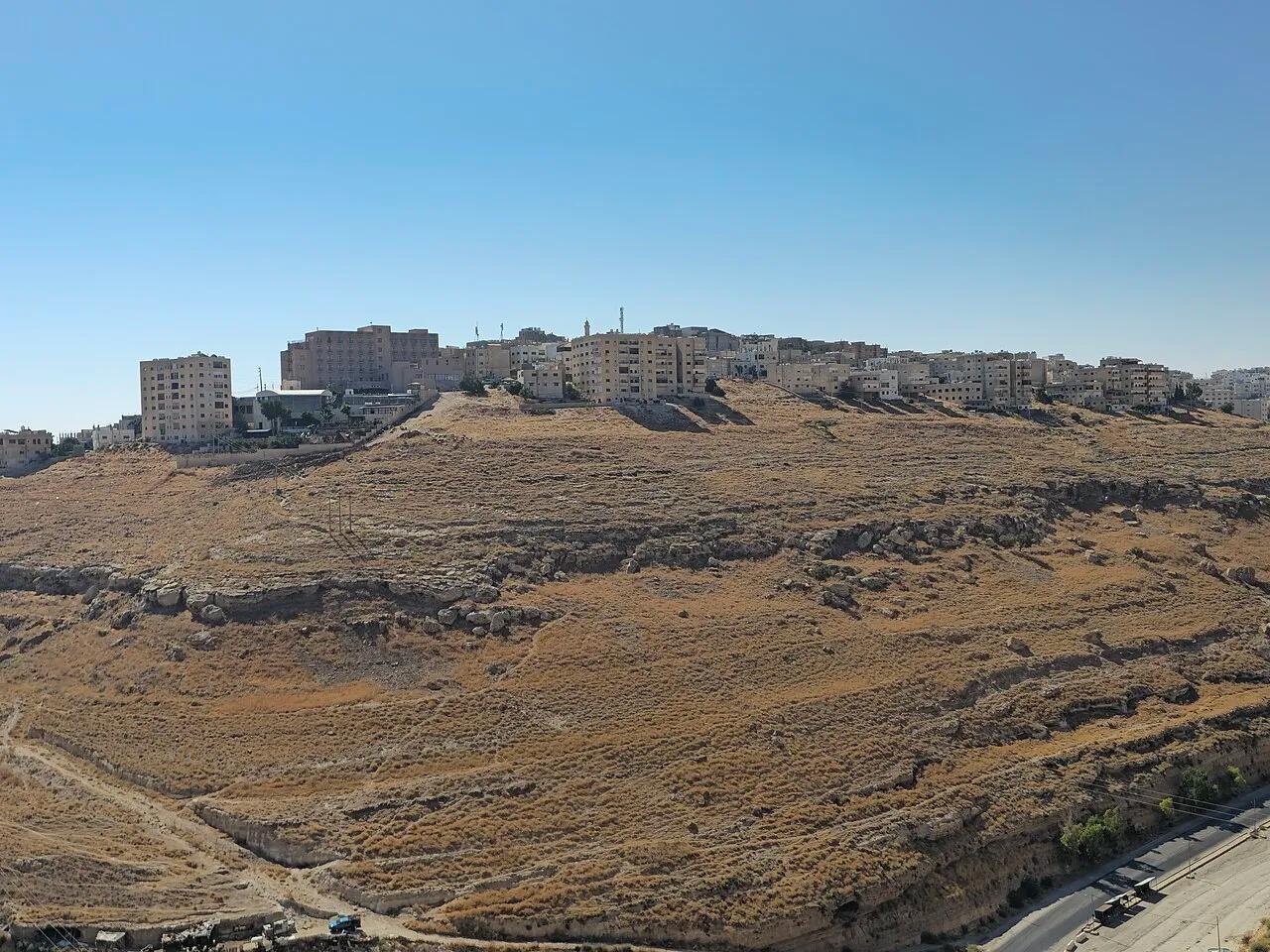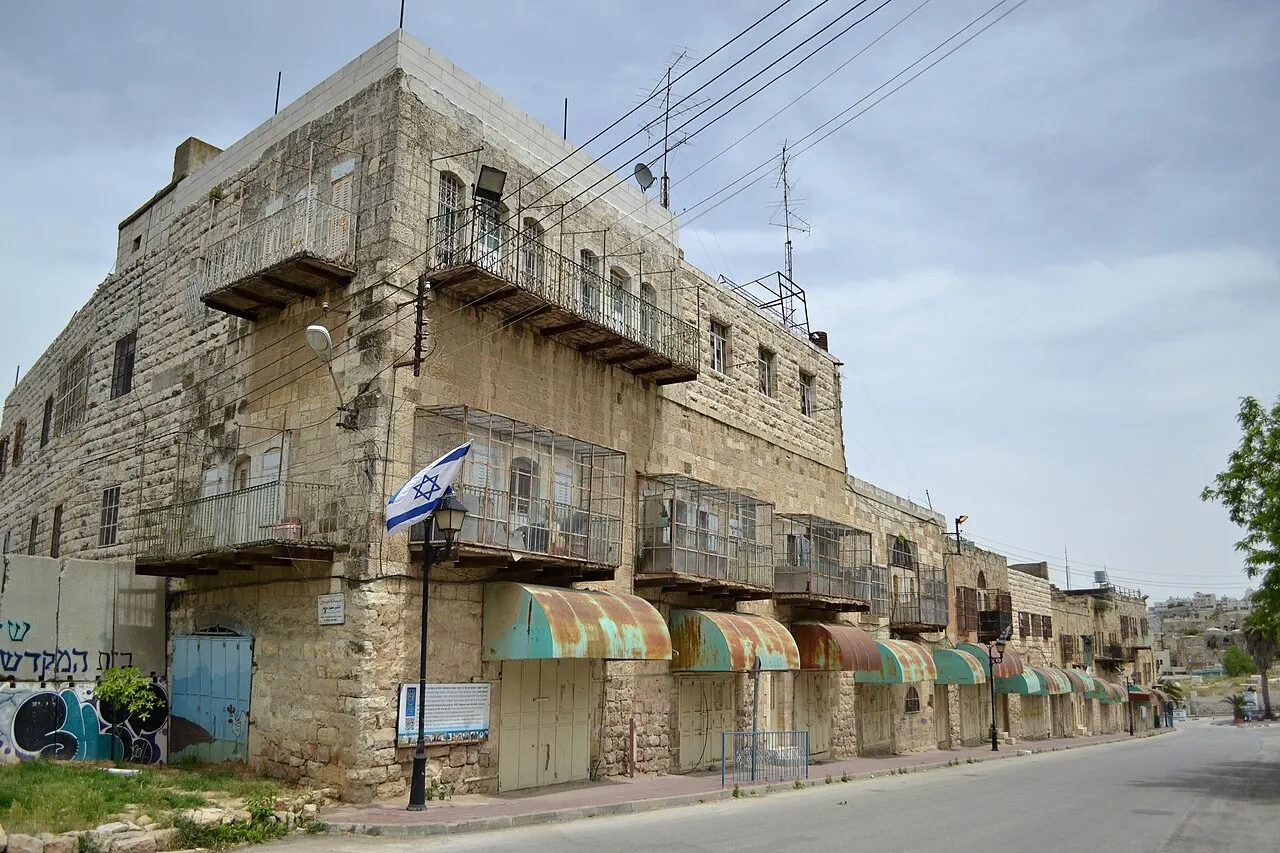
Israeli Prime Minister Benjamin Netanyahu ordered a full closure of the occupied West Bank after an attack on Israeli troops in the Hebron area on Friday, 23 October. By Saturday, the operation that followed had already cleared about 2,000 residents out of the city — a figure confirmed by Defence Minister Israel Katz himself to the public broadcaster Kan — and reached at least 15 localities across the territory, according to Al Jazeera correspondents.
Katz said the residents who were removed "will not be allowed to return" until Hamas-related issues in Hebron are resolved. In a post on X, he wrote that "the Jenin refugee camp model arrives in Hebron", a reference to the prolonged operations conducted in the northern West Bank. Netanyahu, for his part, said Israeli forces would enter neighbourhoods, remove residents and dismantle "terror infrastructure", and announced that a "big surprise" awaited the Palestinian Authority, without saying what that means.
What happened on Friday
Two Palestinians armed with a rifle and a handgun attacked Israeli troops in the Hebron area. Two soldiers were killed and five people were injured, two of them critically, according to The National. Both gunmen were killed by the army, which said they had planned a "large-scale" attack on Israelis; Palestinian media identified them as Mohammad Jaaba and Firas Jaaba, both 27 and from Hebron.
Hebron under siege, raids in 15 localities
The city was sealed off, with no free entry or exit. The Israeli military said the operation should last "several days" and that residents may leave through one of three designated crossings, after interrogation and inspection. Residents said soldiers announced the evacuation orders over loudspeakers late at night.
On Friday, Israeli forces demolished a residential building in Farsh al-Hawa, west of Hebron, and blocked residents' access. Activist Issa Amro said homes and shops were still being demolished and that all entrances and exits to the area were closed. Al Jazeera journalists documenting the demolitions were targeted with a stun grenade near the Farsh al-Hawa checkpoint.
Beyond Hebron, the raids reached Jenin and Nablus in the north; Ramallah, Al-Bireh, Birzeit and occupied East Jerusalem in the centre; and Bethlehem in the south. The Palestinian Prisoners' Society counted about 70 arrests across the West Bank, while the Palestinian news agency Wafa recorded at least 13 people detained in Hebron.
The scale of what is closed
Hebron has about 200,000 inhabitants in the city itself and roughly 600,000 in the governorate, the most populous in the West Bank. That scale is what sets this measure apart from the targeted operations of recent months: the number removed from their homes, about 2,000, is small against the governorate, but the movement ban covers the whole of it.
The Palestinian Authority called the action "collective punishment", cited the demolitions and the "closure and siege of Palestinian cities", and called for international intervention. Palestinian Prime Minister Mohammad Mustafa spoke with Hebron Mayor Yousef al-Jaabari — who puts the number forced from their homes at 2,200 — about the needs of those affected, most of them women, children, older people and patients. Hamas said the escalation "will only fuel further outrage".
The Israeli human rights organisation B'Tselem urged governments and international bodies to act to prevent forcible displacement, collective punishment and unlawful destruction in Hebron, and described the campaign as part of ethnic cleansing efforts. The group puts at least 33,000 as the number of Palestinians displaced by Israeli actions in the northern West Bank — a figure that does not refer to Hebron.
The operation comes three days before Israel's parliamentary elections, set for 27 October. According to Al Jazeera analyst Nour Odeh, Israeli politicians are trying to "capitalise" on the attack at a moment when Netanyahu's Likud and its allies are trailing in the polls.
With information from Al Jazeera and The National, and figures released by the Wafa agency and B'Tselem.