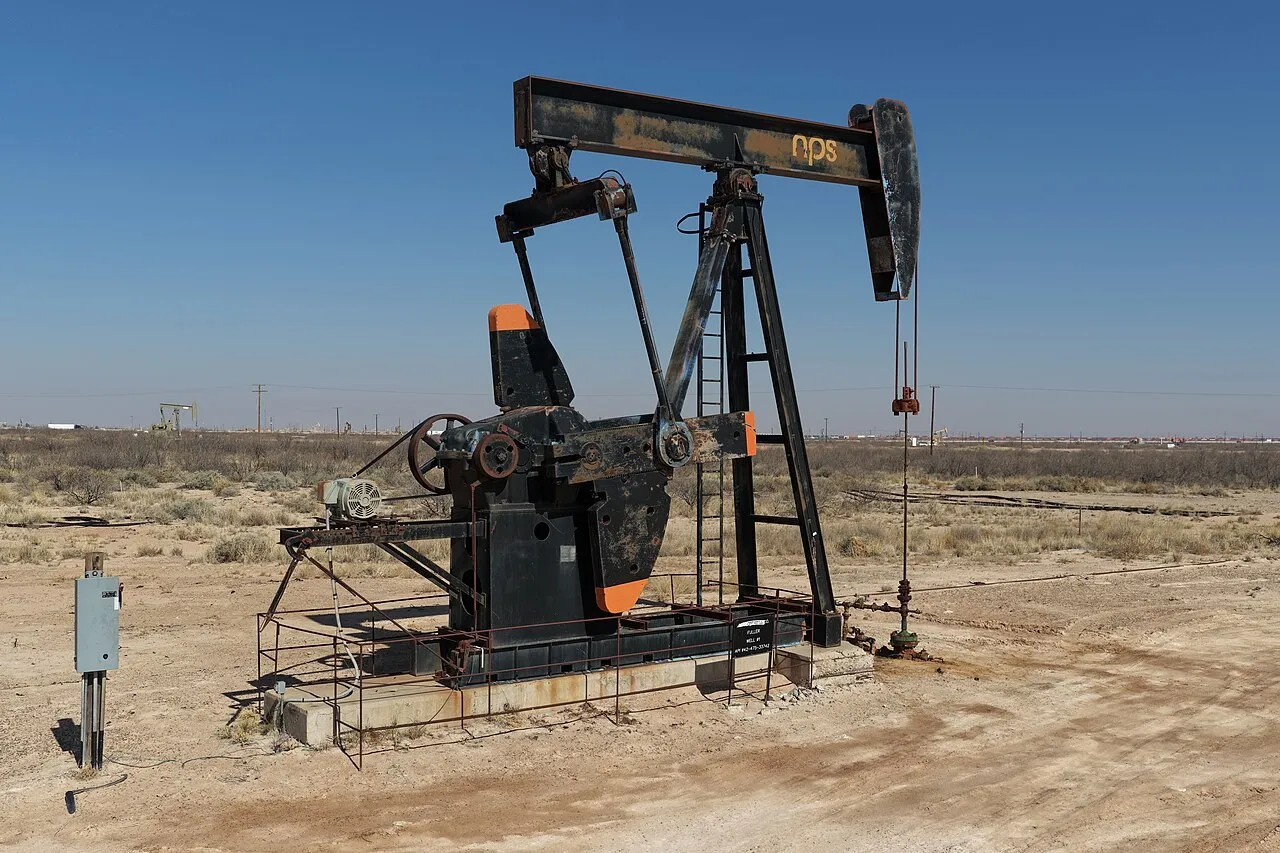
The Environmental Protection Agency proposed on Tuesday, October 27, 2026, a broad rewrite of the Biden-era rule that limits methane emissions from oil and gas wells, including the elimination of the program that polices the industry's largest single leaks.
President Donald Trump announced the move at a campaign rally in Lubbock, Texas, for Republican Senate candidate Ken Paxton, where he said the administration is "terminating" the rule. The agency's own filing is narrower in form: it is a proposal to revise the 2024 standards known as OOOOb/c, and it has to clear a public comment period before anything changes for operators.
What the proposal would do
The central change is the end of the Super Emitter Program, which certifies third-party monitors to flag very large methane releases and obliges operators to investigate and repair them. The EPA says it is rescinding the program over legal concerns, doubts about whether it is necessary, and the existence of other practices that already tell operators about significant leaks.
The proposal also:
- creates separate categories and standards for well sites, under two options the agency is co-proposing — sorting sites by production level (marginal or non-marginal), or by resource type (conventional or unconventional);
- restores flaring with 95% efficiency, or equivalent control devices, as the accepted system for associated gas, replacing the 2024 requirement that all associated gas from oil wells reach a sales line;
- splits the "No Identifiable Emissions" standard for covers and closed vent systems into design and operational requirements, with repairs allowed under the operational side;
- adds technical flexibility on flame-monitoring data, control-device alerts and visible-emissions tests.
Marginal wells are the proposal's stated focus. By the agency's account they are roughly four of every five producing wells in the United States.
The numbers on each side
The EPA puts the savings at $45 billion for consumers and businesses, and says the revision would unleash about 210 million barrels of oil — close to ten days of American petroleum consumption — and 1.41 trillion cubic feet of natural gas. Administrator Lee Zeldin has described the 2024 rule as an $18 billion cost on the industry.
"When owners and operators can produce, America benefits with lower prices," Zeldin said in the agency's announcement.
The accounting that produced the 2024 rule pointed the other way. Biden-era officials projected it would prevent some 58 million tons of methane emissions by 2038 and deliver $98 billion in benefits by 2034 — a figure that rests on the "social cost" method this EPA rejects.
The gap between production and emissions is what made small wells the center of the fight. They account for about 6% of American oil and gas output but, according to the Biden-era analysis, for up to half of the methane escaping from oil and gas fields. Scientists attribute roughly a third of planet-warming greenhouse gas emissions to methane.
Environmental groups read the proposal as permission to keep venting gas that could be sold. Environmental Defense Fund President Fred Krupp said it hands companies a "free pass" at consumers' expense, and that "EPA should be fighting this waste, not making it easier."
Still a proposal
Once the text is published in the Federal Register, the EPA will take comments for at least 45 days and hold a public hearing. The agency says it wants input from states and operators as the rulemaking continues.
The 2024 rule had already been loosened in practice: last year the EPA delayed its compliance deadlines by 18 months. The new proposal arrives as the administration faces criticism over high fuel prices and as Trump and congressional Republicans continue to unwind Biden-era climate policy, a week before the November 3 midterm elections.
Reporting from the Environmental Protection Agency and from The Associated Press, as published by KPBS.