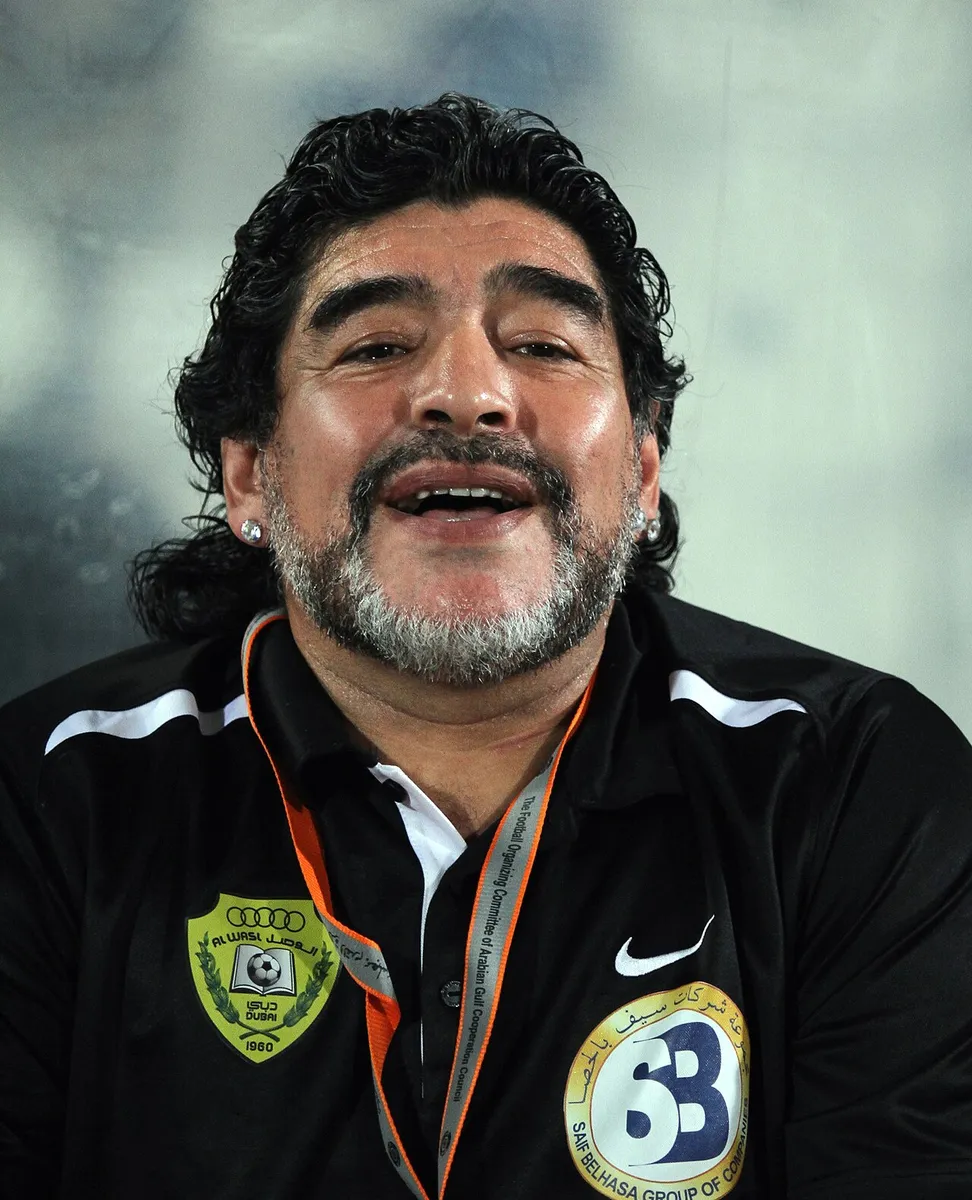
Mario Baudry, the lawyer representing Diego Fernando Maradona, the footballer's youngest son, asked on Tuesday, 13 October 2026, that neurosurgeon Leopoldo Luque and medical coordinator Nancy Forlini be sentenced to 16 years in prison over the death of Diego Armando Maradona, and that both be taken into custody at once.
The request is four years above what prosecutors had asked five days earlier, and marks the harshest moment of the closing-argument stage at the Tribunal Oral en lo Criminal No. 7 de San Isidro (the criminal trial court of San Isidro), in the northern Greater Buenos Aires area.
What each side asked for
On 8 October, deputy attorneys general Patricio Ferrari and Cosme Iribarren sought 12 years for Luque, 10 for Forlini — who oversaw the home hospitalisation arranged by the insurer Swiss Medical — and 8 for psychiatrist Agustina Cosachov, all three on a charge of simple homicide with eventual intent. For psychologist Carlos Díaz, nursing coordinator Mariano Perroni and nurse Ricardo Almirón they asked for four to five years for negligent homicide, plus a ban on practising. They announced they would bring no charges against clinician Pedro Di Spagna.
Baudry endorsed the prosecution's theory but raised the numbers: 16 years for Luque and Forlini, 14 for Cosachov and 12 for Díaz, whom he wants convicted of simple homicide with eventual intent rather than negligent homicide. For Almirón and Perroni he asked five years each, for negligent homicide. He agreed with prosecutors that Di Spagna should be acquitted — the same position taken by the lawyer for Diego Maradona Junior.
The legal concept at the centre of the case, dolo eventual (eventual intent), describes someone who foresaw that their conduct could cause death and went ahead regardless. It is what the trial turns on: it separates a negligence conviction, carrying a few years, from a homicide conviction, which in Argentina starts at eight years.
"With a simple diuretic"
Baudry argued the death was avoidable and that Maradona could have been saved "con un simple diurético" ("with a simple diuretic"). He displayed message exchanges between Luque and people close to the footballer, and accused the neurosurgeon's defence of trying to shift blame onto Di Spagna, whom he called "el perejil de la película" — an Argentine expression for the bit player who ends up carrying the blame. He also asked that Mariana Flichmann, Swiss Medical's risk manager, who testified as a witness called by Forlini, be investigated.
A week earlier, Ferrari had closed the prosecution's argument with equally blunt lines: he said Luque "did everything possible for things to go wrong" and called the home hospitalisation "the most deficient and reckless hospitalisation of all time".
What happens next
The closing argument of Félix L'Infante, lawyer for Jana Maradona, was scheduled for Tuesday afternoon. On Wednesday the 14th, Fernando Burlando speaks for Dalma and Gianinna Maradona, and Pablo Jurado for the footballer's sisters. Defence lawyers for the seven defendants present their arguments on 20, 21 and 22 October, after which the court begins deliberating: the verdict could come in December.
This is the second trial in the case. The first, in 2025, was annulled after judge Julieta Makintach was removed over her involvement in a documentary project about the proceedings themselves. The new trial opened on 14 April and, by the Argentine press's count, has run through some 45 hearings and more than 70 witnesses. Maradona died on 25 November 2020, aged 60, at a house in the San Andrés neighbourhood of Tigre, where he was recovering from surgery for a subdural haematoma.
With information from MDZ, La Nación, El Informador and Infocielo.