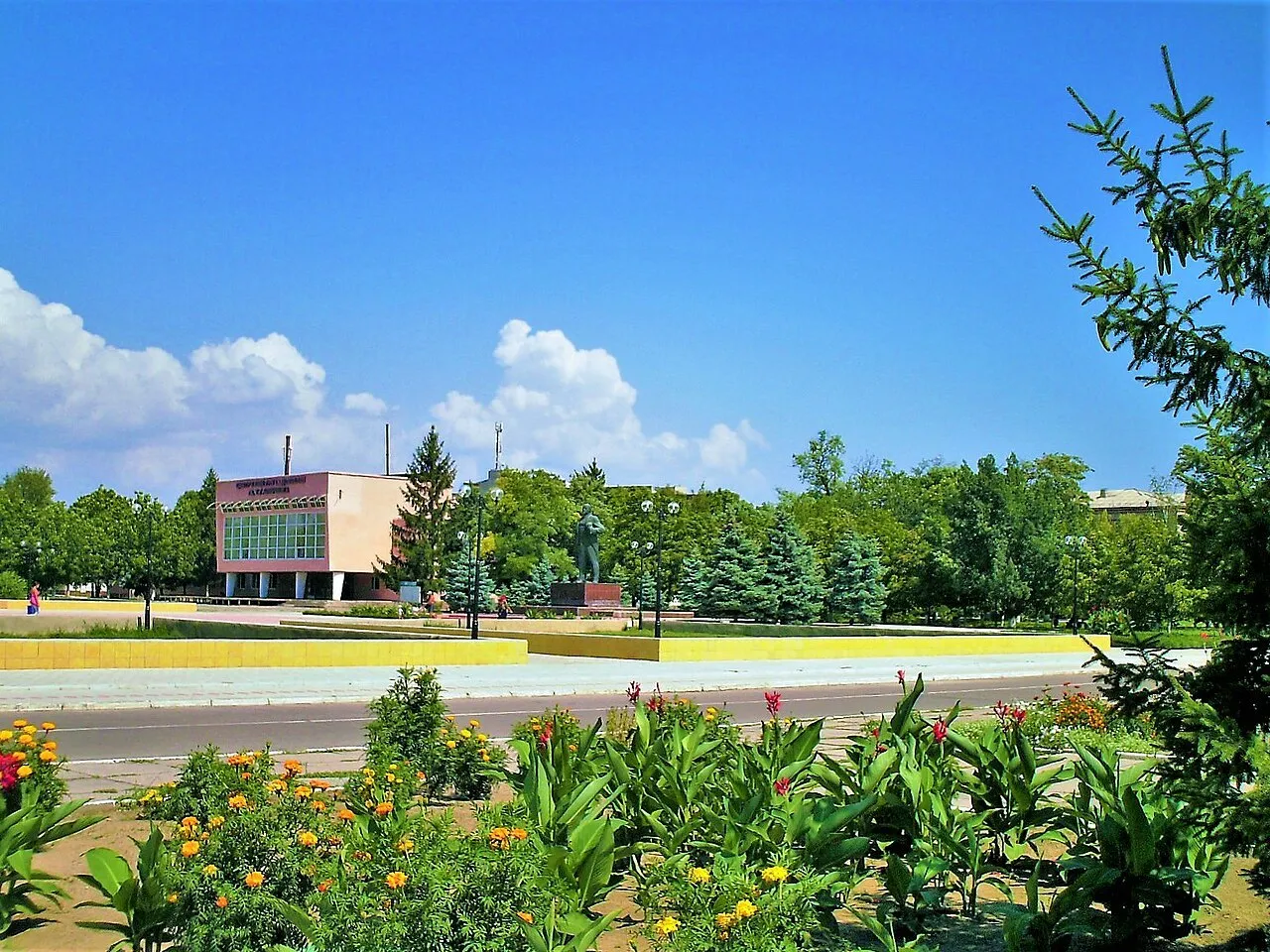
A limited ceasefire took effect at 3am local time (0100 GMT) on Tuesday around Oleshky, a city in Ukraine's Kherson region seized by Russia at the start of the invasion in 2022. The truce covers a restricted area and has one stated purpose: letting humanitarian aid in. Neither side has said how long it should last.
Russia's Ministry of Defence said on its Telegram channel that Russian forces had ceased fire "in the direction of Kherson" and introduced a "regime of silence" ahead of the humanitarian operation. The Russian chief of the general staff, Valery Gerasimov, said a humanitarian convoy would be granted safe passage into the city.
On the Ukrainian side, the parliament's human rights commissioner, Dmytro Lubinets, who heads the country's negotiating team, wrote on Telegram that Ukraine is "fulfilling its commitments" and that "the sides are adhering to the agreements that we reached".
Agence France-Presse reported that it could not immediately confirm whether fighting in the area had decreased.
Who negotiated it, and what is still unknown
The agreement was announced last Friday by the US First Lady, Melania Trump, who said she had brokered it. According to her, civilian officials from both countries will visit residents in their homes to assess what assistance they need, and anyone who wants to leave will be given transport to their chosen destination — some to Russia, some to Ukraine. On the Russian side, the counterpart was human rights commissioner Yana Lantratova.
Three points remain publicly unanswered: neither Moscow, nor Kyiv, nor Washington has said who will monitor the ceasefire, how large the humanitarian operation is, or how long the silence holds. The US cable network Newsmax said it had been granted exclusive access to accompany observers entering the city on Thursday.
A city of 2,000 people
Oleshky sits on the south bank of the Dnipro river, in the part of the Kherson region that stayed under occupation after Ukraine retook the regional capital in 2022. By Ukrainian and US estimates, the population has fallen from about 24,000 before the invasion to roughly 2,000, including as many as 50 children.
Former residents told AFP earlier this year of shortages of food and medicine — no flour for bread, people hunting pigeons — and of the difficulty of getting out. The city was also badly hit by the flooding caused by the destruction of the Kakhovka dam in 2023.
Ukraine accuses Russia of preventing residents from leaving; Moscow denies it. Lantratova said most of those who wanted to leave had already done so, of their own free will. The Ukrainian army says it will do everything possible to help and evacuate those who stayed, and Kyiv has used drones to deliver medicine and food to the city.
The war goes on elsewhere
The truce is geographically narrow, and the rest of the front has not stopped. On Tuesday morning Ukraine's air force issued nearly a dozen warnings of ballistic missile launches toward Kyiv. The capital's mayor, Vitaly Klitschko, said a strike hit the Southern Bridge, one of the city's main crossings, and damaged the metro infrastructure running across it.
The war is in its fifth year, and Russia occupies about a fifth of Ukrainian territory. Three-way talks between Washington, Moscow and Kyiv, frozen for months, are due to resume in November.
With information from AFP (published by The Manila Times, Malay Mail and Asharq Al-Awsat), Russia's Ministry of Defence and statements by Dmytro Lubinets reported by Democrata.