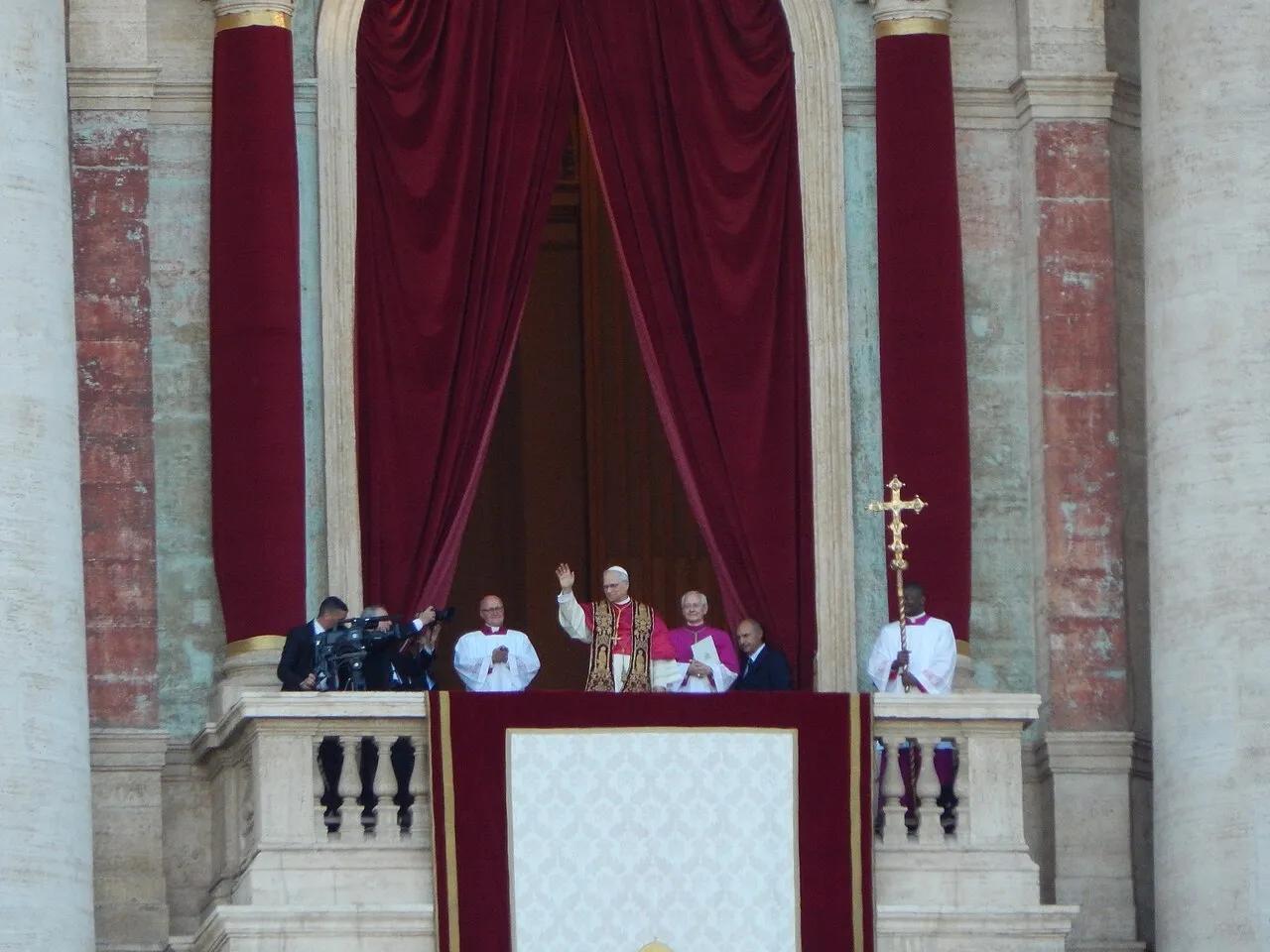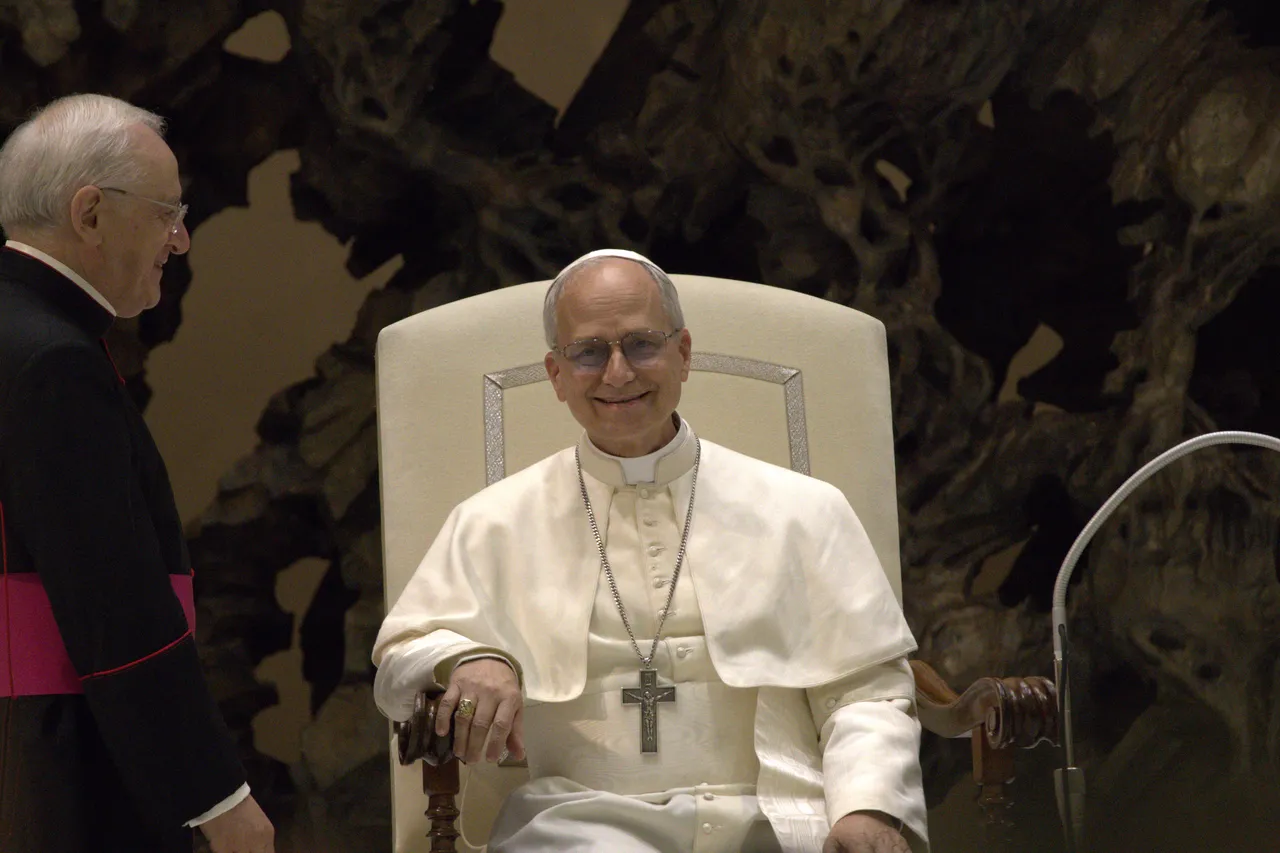
Pope Leo XIV celebrated an open-air Mass on Monday, 9 November 2026, at the Monumento de los Españoles (Monument to the Spaniards) in the Palermo district of Buenos Aires, before a crowd that official sources cited by the Argentine newspaper La Nación put at close to two million people. Other outlets circulated estimates of up to 2.5 million during the day. Neither figure has been independently verified, as is usual with crowd counts at mass events.
It was the first Mass celebrated by a pope on Argentine soil since John Paul II's visit in 1987 — 39 years ago — and the centrepiece of the second day of the Argentine leg of Leo XIV's first trip to Latin America, which has already taken in Uruguay and moves on to Peru this week.
A national holiday to get to the Monument
Javier Milei's government declared a national holiday across Argentina for Monday through decree 1103/2026, so that anyone wishing to attend could do so. The site, stretching more than two kilometres along Avenida del Libertador, opened at midnight, with eight points serving as both entrances and exits and three more for exit only.
The pope toured the grounds in the popemobile from 10 a.m. The Mass began at 11.30 a.m. at the junction of Avenida del Libertador and Avenida Sarmiento and ended at about 1 p.m. More than 2,500 priests fanned out through the surrounding streets to distribute communion, with roughly 500,000 consecrated hosts according to the organisers' count.
Of the 3,000 special invitations, 2,500 went to the Argentine Church and 500 were split between the national government and the Buenos Aires city government. Milei attended with part of his cabinet, along with the city's head of government, Jorge Macri. Vice-President Victoria Villarruel did not attend.
The family at the centre of the homily
Leo XIV built his homily around the family and the material pressures on it, naming "a lack of stability" and "precarious work" alongside domestic violence, painful separations and addiction. He urged the faithful not to accept the idea that the Christian family is an outdated institution, and borrowed a phrase from Francis in calling for the home to become "ever more a temple where the Spirit dwells."
Elsewhere in the homily he warned against what he described as a "pagan logic" of trying to negotiate with God — offering religious gestures in expectation of something in return.
Before and after the Mass
The day had begun at 9.15 a.m. at the Pequeño Cottolengo Don Orione in Claypole, in the southern reaches of Greater Buenos Aires, home to 410 adults with disabilities. There the pope embraced the musician Pancho Chévez, heard Marta Torres's testimony and said that "their lives are not a burden on society."
After the Mass, according to the Holy See Press Office, Leo XIV held a private meeting lasting more than an hour with five survivors of abuse committed by clergy and other Church figures.
Three events followed in the afternoon. At 4.10 p.m., in an auditorium of the Universidad Católica Argentina (Catholic University of Argentina) in Puerto Madero, the pope heard testimony from workers, trade unionists, cooperative members and business owners; the unionist Sabrina Sapone summed up her remarks in a single line: "We do not live to work." At 5.30 p.m. he met representatives of Christian communities and other religious traditions at the Palacio San Martín, the ceremonial seat of Argentina's foreign ministry, in a gathering focused on human dignity, freedom and hope. At 6.45 p.m. he presided over Vespers at the Metropolitan Cathedral of Buenos Aires with the Argentine bishops and synodal teams, after praying before the plaque dedicated to Jorge Mario Bergoglio and laying a floral tribute. He presented Archbishop Marcelo Colombo with a commemorative medal of the trip.
The figure that explains the crowd
The size of the turnout is not explained by the holiday alone. Francis, an Argentine, was pope for twelve years and never visited his own country: expectation built up since 2013 in a majority-Catholic nation was discharged onto the first real chance to see a pope in Buenos Aires in almost four decades.
The tour continues in Peru, whose nationality Leo XIV adopted. There, authorities in Callao unveiled a 14-metre, four-tonne statue in his honour on the same Monday — billed as the largest in the world dedicated to the current pontiff — less than 48 hours before his arrival.
With information from La Nación, EWTN News, El Tiempo, Infobae and the Holy See Press Office.