Pope Leo XIV closed the fourth day of his Peruvian leg on Saturday, 14 November 2026, with two events far from the big cities: a Mass before thousands of farmers in the Cajamarca highlands, and a prayer service in Zaña, the town in Lambayeque where Santo Toribio de Mogrovejo (Saint Turibius of Mogrovejo) died in 1606.
A Mass on the Succhabamba plain
The Mass was celebrated in the morning on the esplanade of Santa Cruz de Succhabamba, which the pope reached by helicopter from the air base at Chiclayo. Vatican News, the Holy See's news portal, reported "thousands of faithful" who had come from peasant farming communities in the area; Peruvian outlets on the ground said some of them had spent the previous night on the plain. No official attendance figure was given.
In the homily, whose full text was published by the Holy See, Leo XIV took up the parable of the persistent widow from the Gospel of Luke — whom he described as a "symbol of social fragility and dependence" — to speak of those who ask for justice and are not heard. And he ruled out violence as an answer: "selfishness, injustice and evil are not defeated with brutality, but with prayer".
The pope summed up the thrust of the text in a single line: "Where there is faith, there is prayer, and where there is prayer, there is the capacity to commit oneself to others".
The villages emptying out
Much of the homily dwelt on Andean rural life. Leo XIV pointed to the "low birth rate" as one reason the villages are "emptying", and noted how hard it has become for one generation to succeed another in farming communities. He also spoke of those who must "leave their homeland to look for a better future", and of internal migration towards the large cities of the Peruvian coast.
He thanked the catechists who, "often in the absence of priests", hold community life together, prepare people for the sacraments and visit the sick. And he asked those who create jobs — farmers and small business owners among them — to promote "authentic models of integral human development", along with a fairer sharing of the benefits drawn from the land's resources.
In Zaña, crime and extortion
In the afternoon, at the shrine of Santo Toribio de Mogrovejo, the pope closed the Jubilee Year called for the 300th anniversary of the saint's canonisation. It was there that he delivered the day's bluntest line about conditions in northern Peru.
"I know that many families in this land suffer because of crime, extortion and insecurity," he said, according to the text of the address. He mentioned those who live in fear, those whose honest work is under threat and those who still face discrimination, and ended with a plea: "I beg you to stay united, to look after one another and never to grow used to the suffering of others".
The pope also recalled his years as bishop of Chiclayo — the diocese he led for eight years, and which Zaña belongs to — including his visits to Incahuasi and Kañaris, and said that on one of those nights he asked "the Lord to teach me to be a pastor".
A message to Afro-descendant communities
At the same event, Leo XIV addressed the Afro-descendant people of Zaña, a town shaped by slavery: generations of Africans were enslaved there, he recalled, and suffered greatly. "Dear Afro-descendant brothers and sisters: I want to express to you today my affection and my closeness," he told them, before holding up Saint Martín de Porres as an example and thanking those communities for what they have given the Church.
420 years since the saint died there
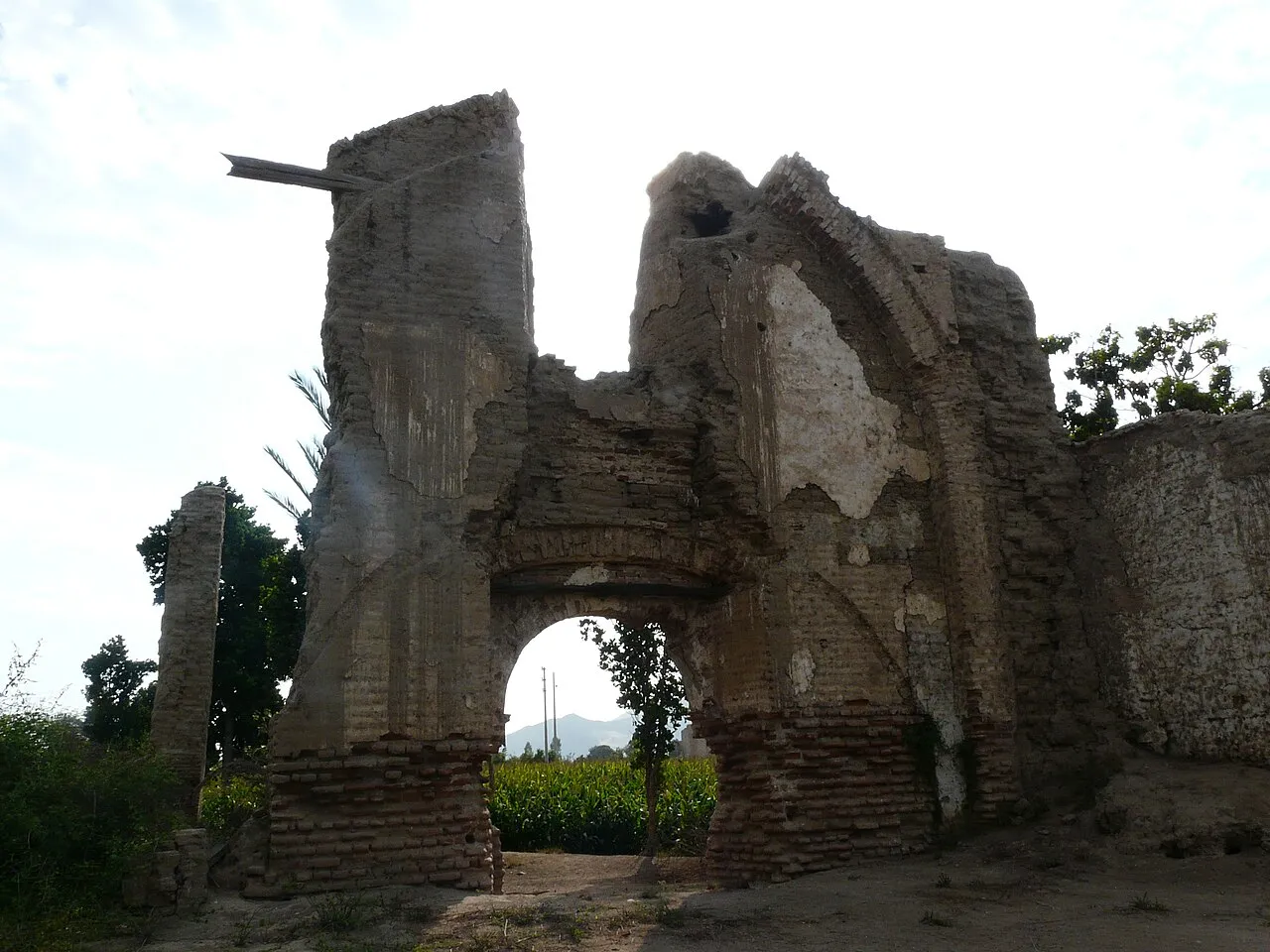
Santo Toribio de Mogrovejo, archbishop of Lima, died in Zaña on 23 March 1606 in the course of a pastoral visit; his remains rested briefly in the town before being moved to Lima. He was canonised on 10 December 1726, three centuries ago, by Pope Benedict XIII.
Leo XIV quoted a letter he recently sent to the bishops of Latin America and the Caribbean, which describes Toribio as a pastor who "had first allowed the Gospel to shape his own life".
What is left of the trip
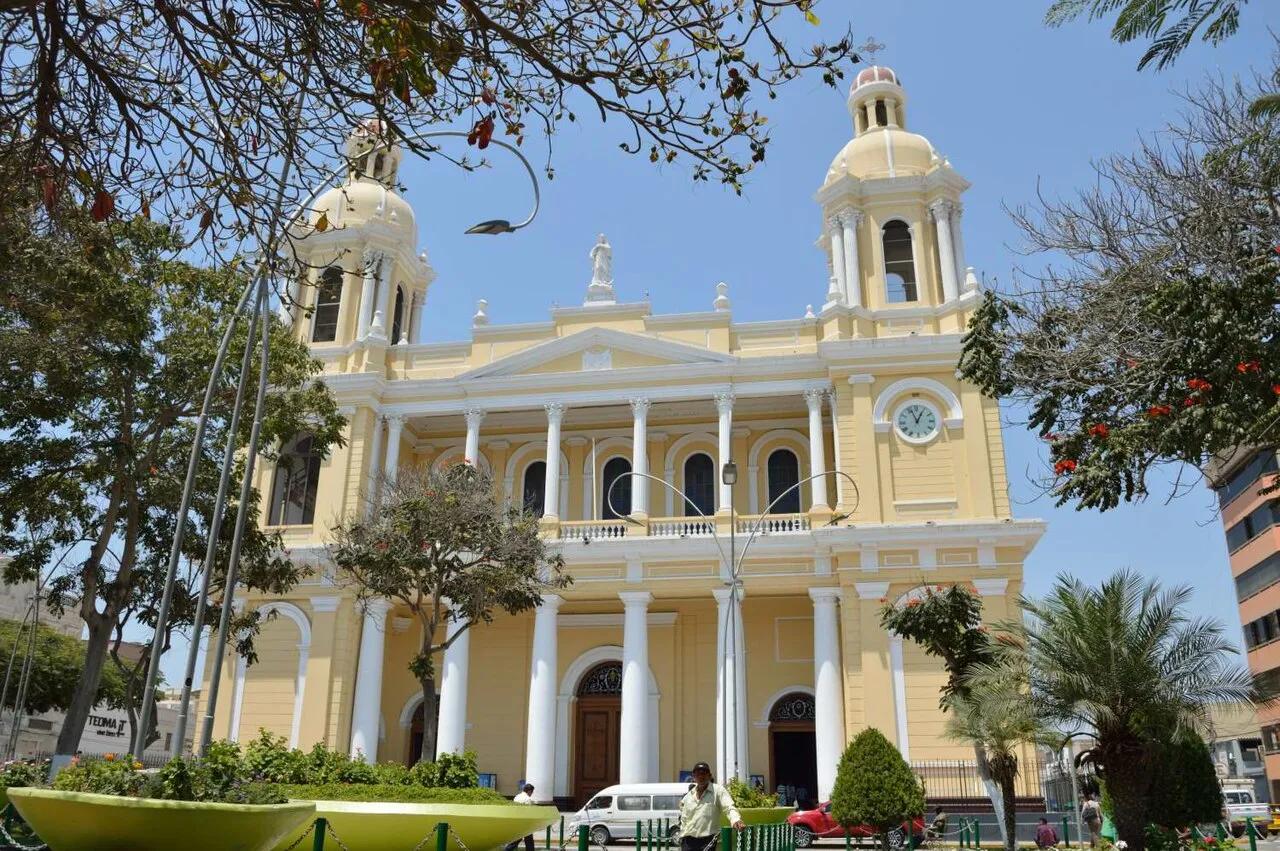
Saturday had begun early in Chiclayo, with the crowning of the image of the Immaculate Virgin at the cathedral of Santa María. The Latin American journey — the first of this pontificate — began on 6 November in Uruguay, continued through Argentina and ends on 17 November. Stops in Cusco and Pucallpa are scheduled for Sunday, 15 November, before the return to Lima.
With information from the Holy See, Vatican News and Infobae.