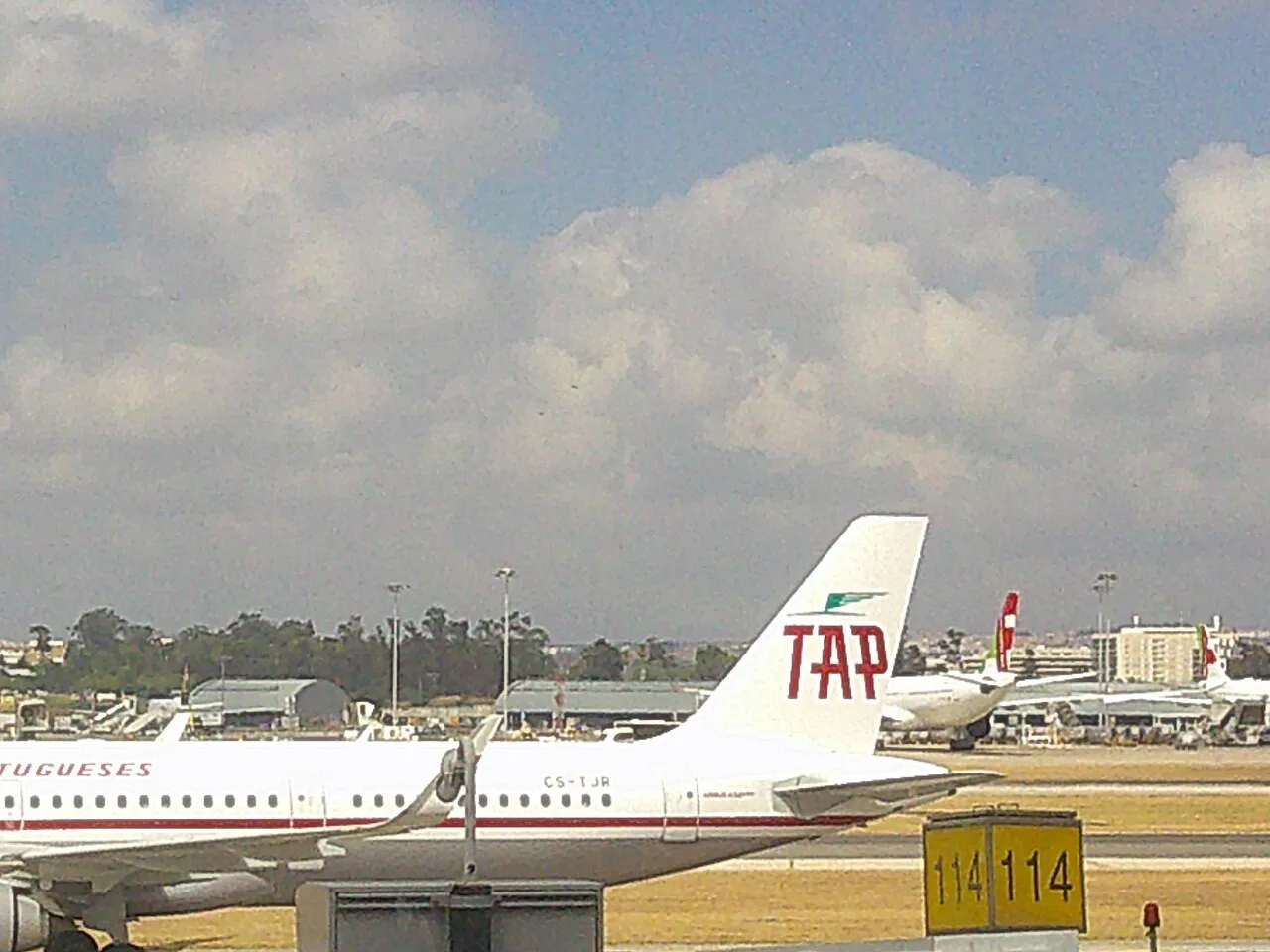
Portugal's government and Lufthansa signed the contract transferring a minority stake in the Portuguese airline to the German group on Tuesday, at the TAP Campus next to Lisbon airport. The state receives €1.201 billion in cash for up to 49.9% of the capital — and, in this first phase, keeps at least 50.1%.
Present at the signing were Prime Minister Luís Montenegro, Finance Minister Joaquim Miranda Sarmento, Infrastructure and Housing Minister Miguel Pinto Luz, and Lufthansa chief executive Carsten Spohr.
How the 49.9% is split
The stake on sale does not go to Lufthansa in one piece:
- 44.9% to the German group, at a reference price of €1.025 billion, plus €58 million in financial adjustments;
- up to 5% reserved for TAP employees, for up to €118 million, in an operation planned for 2027. Whatever the workforce does not take up may be bought by Lufthansa.
Portugal's Council of Ministers had chosen Lufthansa on 14 October, over Air France-KLM. The German offer was €163 million higher.
What Lufthansa has committed to
The contract carries obligations the government presents as a guarantee that the airline will not be hollowed out:
- keeping the TAP brand, its headquarters in Portugal and the Lisbon operations centre;
- eight aircraft based at Porto airport;
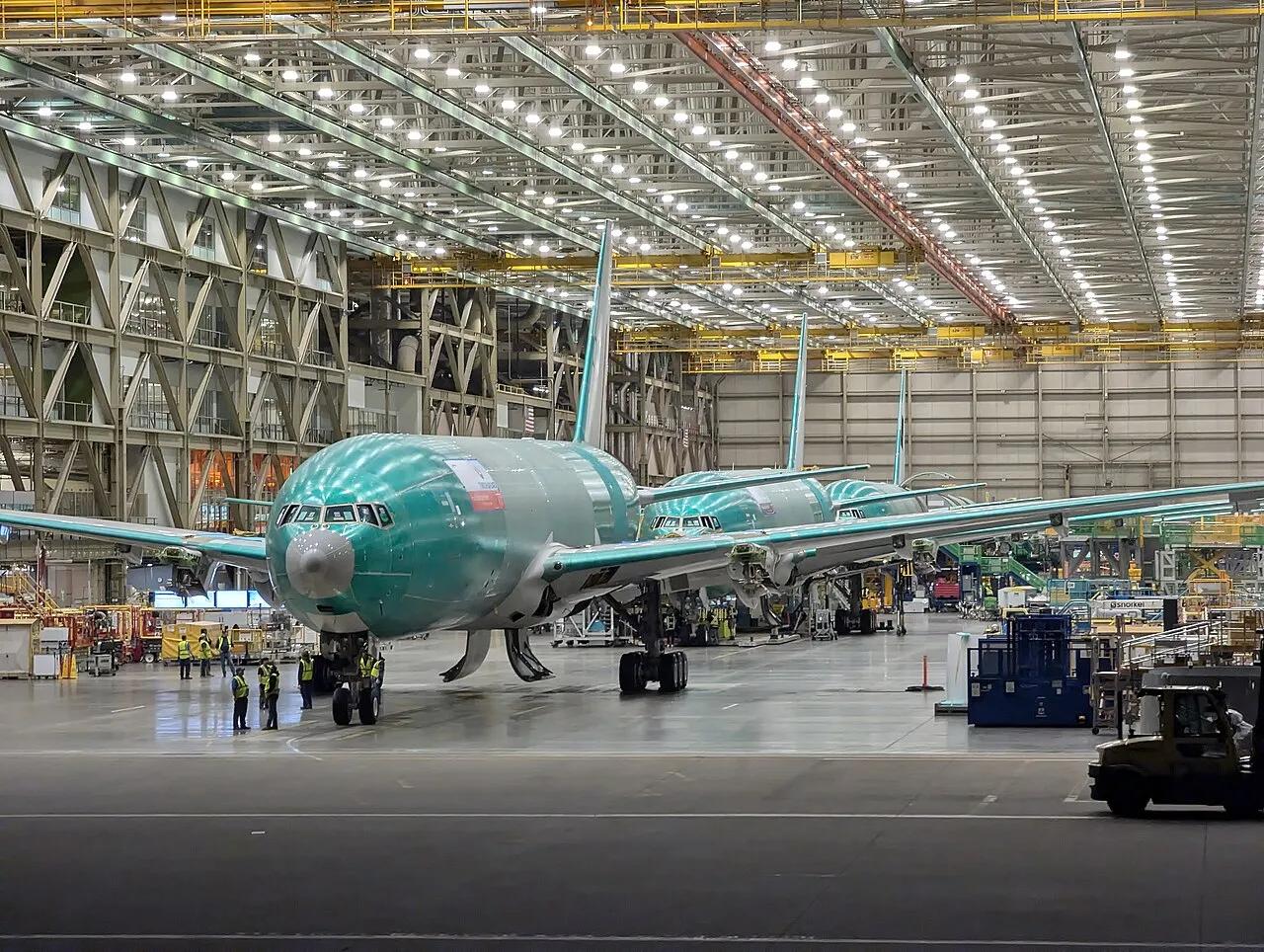
- fleet growth to 117 aircraft by 2035, with the possibility of reaching 130 later;
- stronger links to Latin America and preserved routes to the autonomous regions, the Azores and Madeira;
- around €300 million in maintenance and aeronautical engineering, with roughly 700 jobs in Santa Maria da Feira;
- a study for a pilot training school in Tancos.
Governance sits with a nine-member board: five appointed by the state, including the chair, three executive directors named by Lufthansa and one further executive director appointed by the state.
The second phase, and what the state would get from it
The design envisages a second stage, in which the state would sell the remaining majority. According to the government's own figures as reported by Jornal Económico, that phase would bring around €863 million in cash plus a share swap: Portugal would come to hold about 5% of Lufthansa itself — making it the group's second-largest shareholder, behind the Kühne Foundation with 20% — in stock valued at some €1.4 billion, on top of dividends accumulated through 2040.
These are projections, not contracted amounts: they depend on the company's performance and its share price. The government's estimate assumes a target price of €8.8 per share and a dividend yield of 3.9%, which would give about €20.6 million a year from the 5% stake. That is the distinction worth holding on to — the first phase is cash in hand, the second is a bet on Lufthansa's share price.
Completion is expected in early 2028 and depends on the contract's conditions and on regulatory clearances, above all from the European Commission's Directorate-General for Competition. Spohr said he expects a faster process than the group's purchase of Italy's ITA, because the network overlaps are small: "From our point of view, it is an easy transaction to approve."
Why TAP matters to Lufthansa
The argument is geographic. The German group currently holds about 9% of the South American market, in sixth place; adding TAP's roughly 11% would take it to around 20% — and the Portuguese carrier is the most-used European gateway on the Brazil-Europe axis.
On the Portuguese side, the calculation is one of recovery. Montenegro said on 14 October, announcing the choice, that the state had injected more than €3.2 billion of taxpayers' money into TAP and that the goal is "the full recovery of the value the Portuguese invested in TAP".
With information from Jornal Económico, 24 Notícias, Renascença and Euronews.