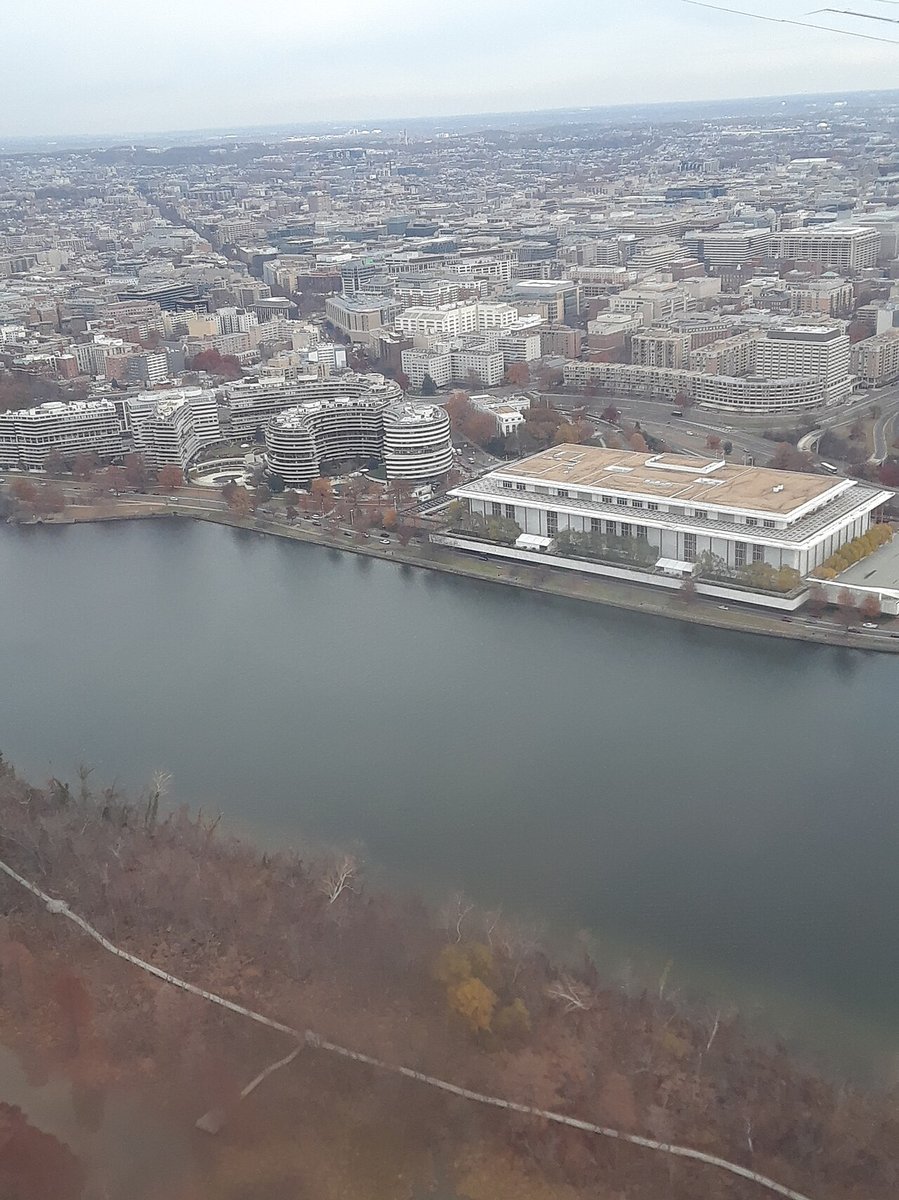
The United States' national center for the performing arts is running on emergency money. Internal financial figures reported by The Washington Post on September 30, 2026 show that the John F. Kennedy Center for the Performing Arts has drawn down a $21 million credit line in full and cut its cash reserves roughly in half — from $18 million to about $9 million — over nine months.
The numbers describe an institution losing both of the revenue streams a nonprofit arts center lives on at the same time. Ticket sales fell 15% in fiscal year 2025 and are projected to fall by more than two-thirds in 2026. Charitable giving dropped by nearly a quarter in 2025 and by roughly 40% in the first months of 2026. The center has written off $48 million in pledges it no longer expects to collect.
A fundraising department cut to a sixth of its size
The staff that would ordinarily close that gap is largely gone. The Kennedy Center's development department — the fundraising arm — went from 94 employees to 16.
That matters more than it might at a museum or a government agency, because of how the building is paid for. The center receives about $45 million a year from the federal government, and that appropriation covers the building: maintenance, repairs, the physical plant. Programming, salaries and everything an audience actually sees have to come from tickets and donations. When both of those fall at once, the federal money does not fill the hole.
"This organization has gone this far south, this fast," Karen Gahl-Mills, an arts management specialist at Indiana University, told The Washington Post. "It is an organization clearly in distress."
What the board told a federal court
In mid-September the center's own board — most of it appointed since President Donald Trump took over as chairman in February 2025 — put the position in writing in a federal court filing: the institution "will not be able to support its payroll obligations, nor routine maintenance contracts within a matter of weeks." Reporting at the time said administrators had raised the possibility of closing as early as the Tuesday of that week, which coincided with a board meeting and a status hearing before Judge Christopher Cooper. The center did not close, and remains open.
What has kept it open, according to filings by the Justice Department, is $17.5 million in emergency donations from the Trump Foundation.
The court case those filings belong to is about the building's name. Representative Joyce Beatty, a Democrat from Ohio, has sued to block the addition of Trump's name to the center; official White House photo captions were already using "Donald J. Trump — John F. Kennedy Center for the Performing Arts" by January 2026. The board has framed the naming as recognition for rescuing the center's finances, and Commerce Secretary Howard Lutnick has argued Trump deserves the credit, pointing to a $257 million renovation project.
The center is also physically ailing. Part of the ceiling in the grand foyer collapsed on September 5. Its president and chief executive is Matt Floca, who was promoted from the facilities side of the organization and has no background in arts administration; he replaced Richard Grenell, the former ambassador who ran the center after the February 2025 takeover.
One figure puts the scale of the fundraising problem in perspective: a development office of 16 people is now responsible for replacing donations that fell by roughly 40% at an institution whose reserves cover a few months of operation.
Reporting from The Washington Post, NPR and filings in the U.S. District Court for the District of Columbia.