Mexico's Senate voted 72 in favour on Wednesday, 30 September 2026, to criminalise the use of state insignia to deceive. The bill, which public debate has nicknamed the "anti-meme law", now goes to the Cámara de Diputados (Chamber of Deputies) for review before it can take effect.
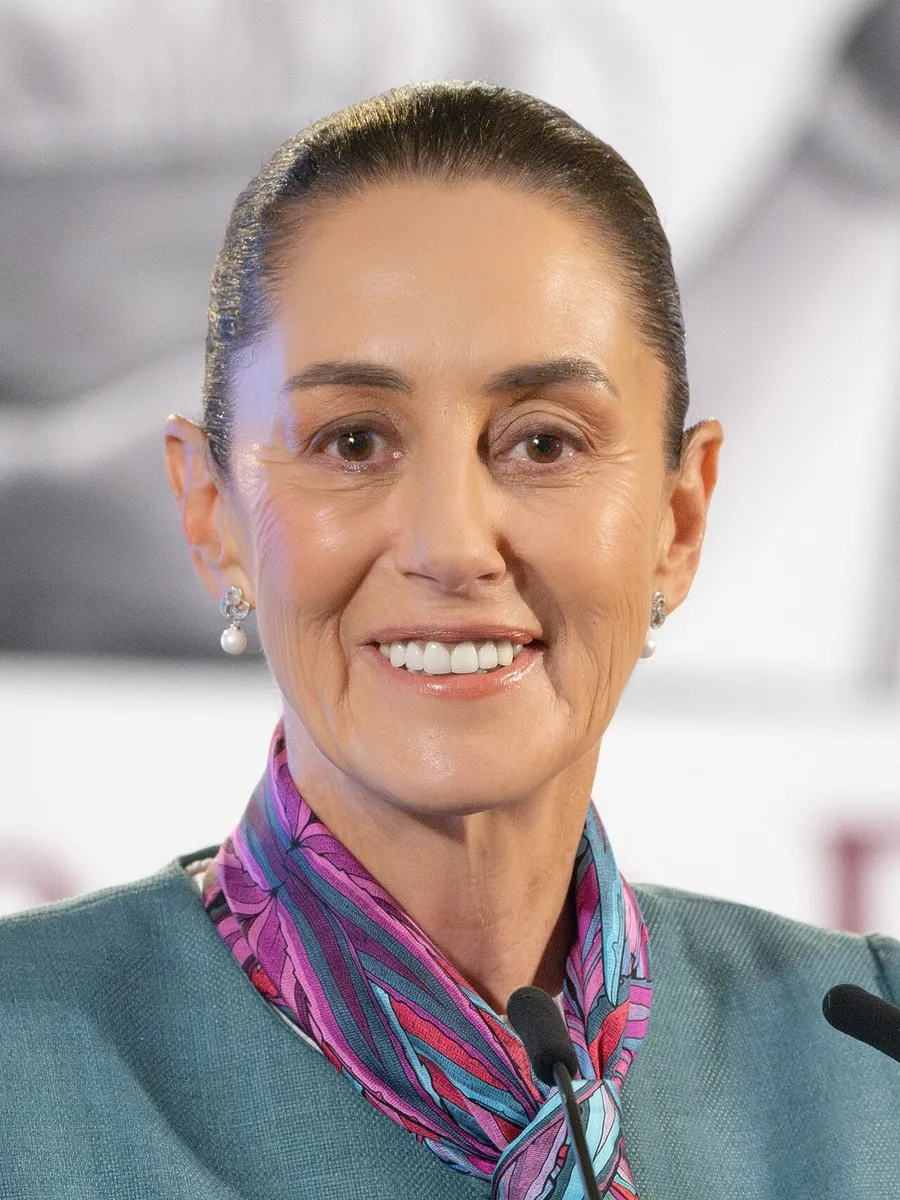
A day later, at her morning press conference, President Claudia Sheinbaum rejected the nickname. "The supposed 'anti-meme law' does not ban any meme. If anything, it is the law defending authors, defending copyright," she said on 1 October.
What the approved text says
The reform amends article 403 bis of the Ley Federal de Protección a la Propiedad Industrial (Federal Law for the Protection of Industrial Property) and also reaches Mexico's Código Penal Federal (Federal Penal Code). It punishes anyone who uses, reproduces, imitates or incorporates government graphics, electronic domains or official documents in a way that makes them appear authentic.
Penalties run from one to five years in prison and fines of 1,000 to 10,000 UMAs. The Unidad de Medida y Actualización (Unit of Measurement and Update) is the reference value Mexico has used to calculate fines since 2016, so the ceiling moves each year with that index rather than with the minimum wage.
Before the floor vote, the text was narrowed: sanctions apply only "when the aim is to induce error or deception with the intent to commit a crime". In practice, prosecutors would have to prove three elements at once (commercial scale, intent to mislead, and the purpose of committing an offence); using an official logo is not enough on its own.
The case the government points to
Sheinbaum and the presidency's legal counsel, Luisa María Alcalde, placed the target of the reform on digital fraud through impersonation, not on political satire.
"When a video suddenly appears, made with artificial intelligence, of the head of the IMSS saying something false in order to commit fraud, or a video of me telling people to invest in a Pemex account, because this has already happened, that was not classified as a crime," the president argued.
It is the point the executive repeated all week: until now, a fake video impersonating an official to solicit money fell into a grey zone of the penal code.
The objection
In the Senate, the sharpest criticism came from Lilly Téllez of the PAN, who warned the wording could catch ordinary citizens, comedians, cartoonists and content creators who use institutional imagery, and spoke of "criminalising freedom of expression". Téllez also argued that the government is busy pursuing cartoonists rather than organised crime.
Javier Corral, of the governing Morena, acknowledged that the text could be read that way and defended the reform, while admitting it needed adjustments so it would not be understood as an attack on satire or criticism.
In the joint committees, the measure had passed on 23 September with 34 votes in favour, 8 against and 2 abstentions: a higher share of opposition than on the floor a week later.
What comes next
The reform is not law yet. The Chamber of Deputies can approve it as it stands, send it back to the Senate with changes, or leave it without a committee report. The name public debate gave it, in any case, has already outlived the presidential clarification: the question circulating is not what the rule protects, but what can be done with it.
With information from Expansión Política, El Informador, Infobae and Semanario ZETA.