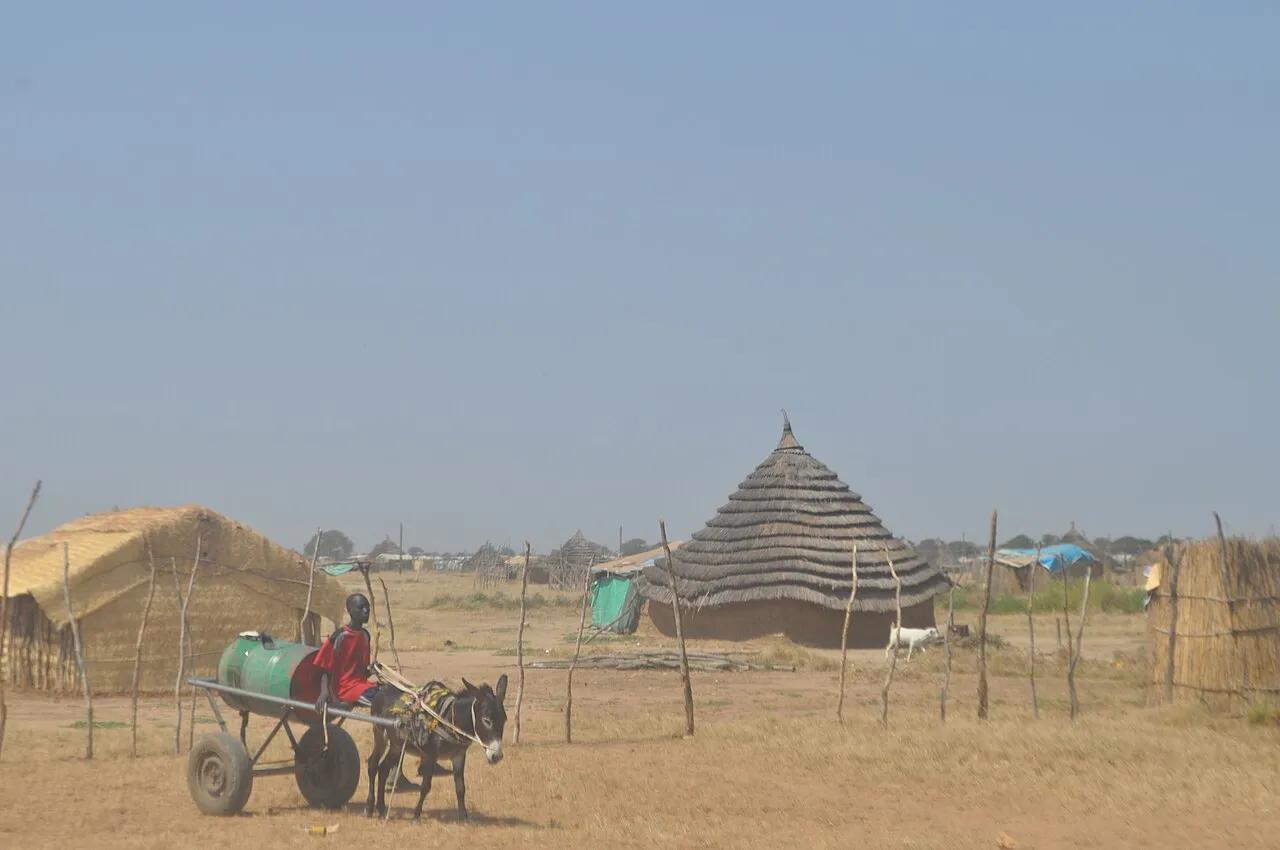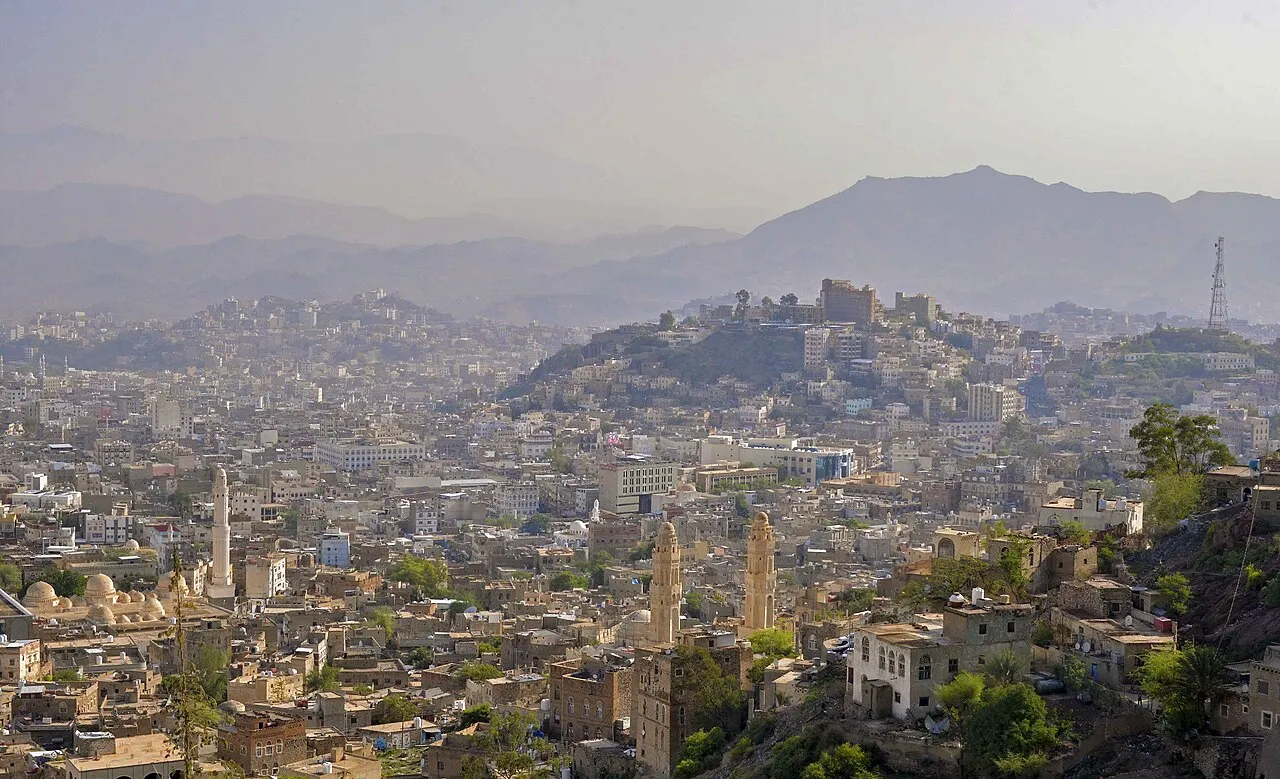
Nearly 260,000 people have left their homes in Yemen since August, according to the UN Office for the Coordination of Humanitarian Affairs (OCHA), which released the figures late on Wednesday. About half of the displaced have taken shelter in Taiz, the country's third-largest city and now the centre of the fighting.
The Office of the UN High Commissioner for Human Rights has verified 251 civilian casualties over the period: 57 killed and 194 injured. Half of those killed were children.
Twelve hospitals, four days of fuel
Taiz's health network is the most direct picture of the siege. According to World Health Organization (WHO) spokesperson Tarik Jasarevic, 12 hospitals in the city had roughly four days of generator fuel left. Of 127 essential medicines, 115 had stock for a week or less, and oxygen cylinders are running at a daily deficit.
The UN Children's Fund (UNICEF) called Taiz "the number one concern". According to the agency's representative in the country, Akhil Iyer, water is almost unavailable and rubbish is piling up in the streets as sanitation services have stopped. Diesel shortages threaten the pumping stations that supply the city.
Ten of Taiz's 16 districts are already classified at emergency levels of food insecurity. The World Food Programme (WFP) said wheat flour stocks in the affected areas are nearly exhausted. UNICEF had pre-positioned ready-to-use therapeutic food before the escalation, but it cannot reach health facilities because the roads are closed.
The country is already dealing with cholera and measles outbreaks and with suspected cases of diphtheria and dengue.
The route that was closed
UN High Commissioner for Human Rights Volker Türk said the Houthis' closure of the only supply route linking Taiz to Aden is blocking humanitarian aid. He called on the fighters encircling the city to allow immediate access and warned that casualties will rise as the clashes move closer to densely populated areas.
The UN Refugee Agency (UNHCR) estimates that about 65,000 refugees and asylum-seekers, mostly Somalis and Ethiopians, need urgent support. Humanitarian partners have reached more than 174,000 displaced people since August with food, hygiene kits and emergency cash, OCHA said. Families who have just left home list shelter as their most pressing need, followed by food and cash.
How the war came back
Yemen's internationally recognised government forces, backed by Saudi Arabia, are fighting the Houthis (Ansar Allah), who are aligned with Iran. The UN-brokered truce of 2022 collapsed in July, when the group declared a blockade on Saudi Arabia in the Bab al-Mandeb strait. In early October the government launched the "Dawn of Yemen" counteroffensive, with support from the Saudi-led coalition, to retake Houthi-held areas, including the capital, Sanaa.
This week saw heavy fighting in the Jabal Han highlands, in western Taiz, and in the Dhubab and al-Masrakh districts. Government spokesperson Majid al-Nazili said official forces carried out 835 operations, killing or injuring 285 Houthi members — figures that have not been independently verified.
On Thursday, Yemen's Ministry of Defence warned civilians in Houthi-held areas to stay away from the group's rallies and "cultural courses", which it said would be treated as legitimate military targets. The government says such events are used to recruit children.
The displacement of nearly 260,000 people in little more than two months has an effect the stock figures explain: the population arriving in Taiz adds demand to the same network of hospitals, water and food that the siege prevents from being resupplied.
With information from UN News, OCHA and Al Jazeera.