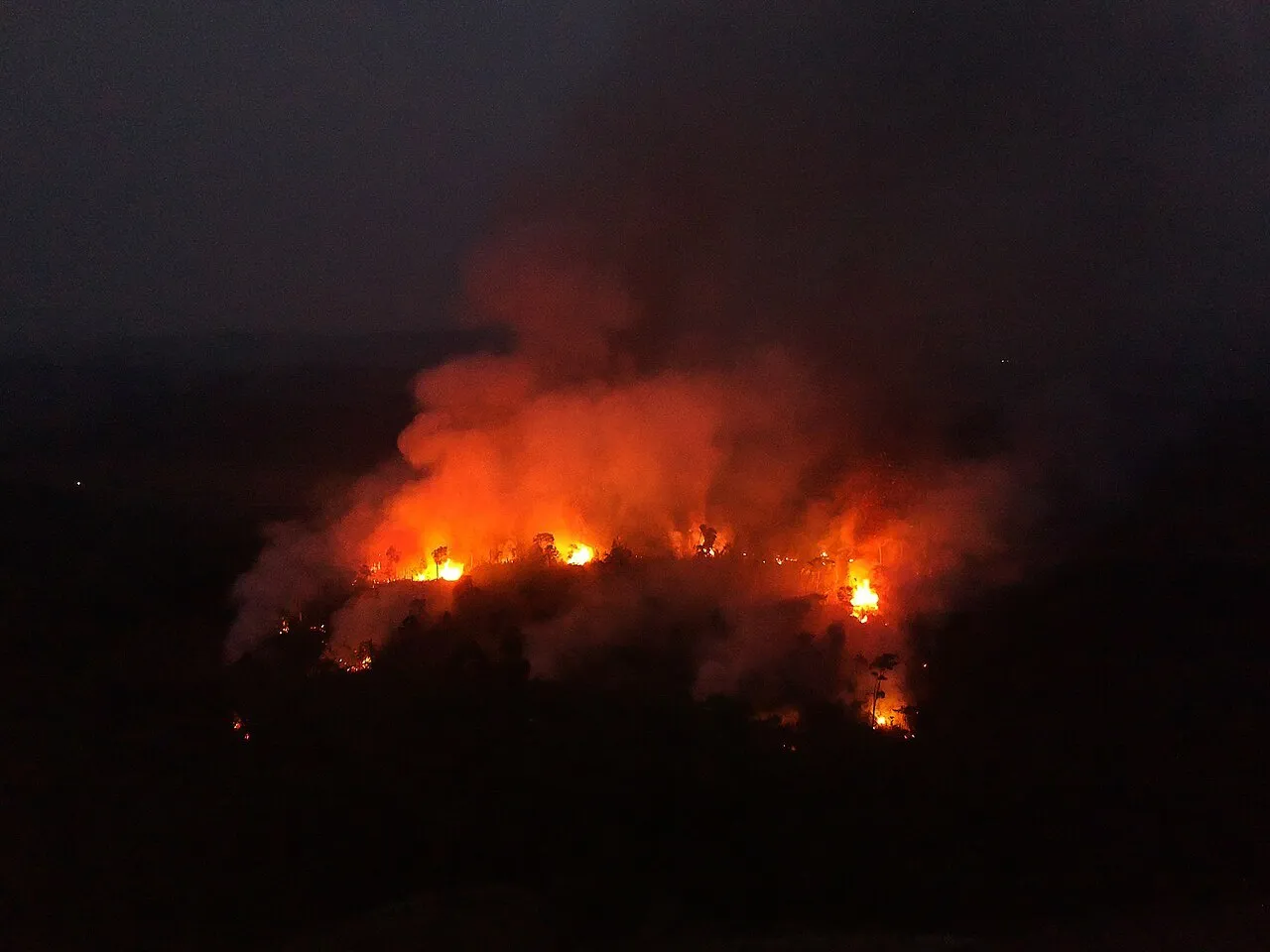
The Brazilian state of Amazonas recorded 1,380 fire hotspots between 1 and 10 October, up 271% from the 372 registered in the same period of 2025, according to the Painel do Fogo (Fire Panel) run by the Centro Gestor e Operacional do Sistema de Proteção da Amazônia (Censipam), the agency that operates Brazil's Amazon monitoring system. In response to the spread of the fires, the Ministério da Integração e do Desenvolvimento Regional (Ministry of Regional Development) granted summary recognition on Saturday 10 October to the state of emergency declared in 36 of the state's municipalities.
The following day, a team from the Força Nacional do SUS (National Health Force of Brazil's public health system) was sent to the state to help state and municipal managers respond to the effects of the fires on health services.
What the health team was sent to do
The mission is to build a situational diagnosis of the care network: identifying priority needs, measuring treatment capacity and planning the support required to keep services running, including those serving Indigenous peoples. The survey also assesses the availability of staff and supplies, health transport, care pathways and demand for services.
"A missão da Força Nacional do SUS é identificar onde a rede de saúde foi interrompida ou sobrecarregada" ("The mission of the National Health Force is to identify where the health network has been interrupted or overloaded"), said the force's director, Rodrigo Stábeli. "Quanto antes a rede voltar a funcionar plenamente, menos a população sofrerá" ("The sooner the network is fully working again, the less the population will suffer").
The findings will go to the Ministério da Saúde (Ministry of Health) and will inform a joint decision by the federal government, the state and the municipalities on the scale of federal support — which could range from technical guidance to field teams and field hospitals.
Smoke and hospital demand
Health authorities point to smoke exposure as a risk for respiratory and cardiac conditions, with particular concern for children, older people, pregnant women and people with pre-existing illnesses. Hospitals in the state have already begun receiving patients with breathing problems.
In Manaus, the state capital, pollutant concentrations reached critical levels, close to four times the limit the World Health Organization (WHO) considers safe, according to the public news agency Agência Brasil. The city government cancelled outdoor municipal events on Sunday 11 October and on the Monday 12 October public holiday, and municipal school classes were suspended at one point.
In September the state had already logged some 3,700 hotspots, almost four times the figure for the same month in 2025 — an indication that this season's peak has run beyond its usual window, which normally falls in August and September.
Fighting the fires
The federal government mobilised two KC-390 aircraft from the Força Aérea Brasileira (Brazilian Air Force), due to arrive in Manaus on Sunday 11 October and to operate from Monday 12, along with four Air Tractor planes and two helicopters. The minister of regional development, Waldez Góes, travelled to the state and said the response includes hiring firefighting brigades and releasing funds — made possible precisely by the recognition of the emergency.
An overflight by the ministerial delegation planned for Sunday was cancelled because of poor visibility, according to Agência Brasil. The Ministério do Meio Ambiente (Ministry of the Environment) said some of the hotspots were inside preserved forest, which suggests deliberate burning; the causes are under investigation.
Teams from the environment ministry, the national civil defence agency and the National Health Force remain in the state.
With information from Agência Gov, the Ministério da Saúde, Agência Brasil and SBT News.