A sixty-page ruling and eleven defendants cleared
Federal judge Marcelo Martínez de Giorgi closed the case against Argentina's president, Javier Milei, and his sister Karina Milei, secretary general of the Presidency, over the launch of the $LIBRA token on Friday, 23 October 2026. The ruling, running to some sixty pages, granted sobreseimiento — the definitive dismissal available under Argentine criminal procedure — to eleven defendants on the grounds of "no crime". None had been summoned for formal questioning, and the file was archived.
The dismissal followed a request from federal prosecutor Eduardo Taiano, who sought it for every defendant. Alongside the Milei siblings, those cleared were the US businessman Hayden Mark Davis, named as the token's creator; Tech Forum organisers Mauricio Gaspar Novelli and Manuel Terrones Godoy; Sergio Daniel Morales, a former adviser to the Comisión Nacional de Valores (Argentina's securities regulator); the businessman Julian Peh; intermediaries Camilo Rodríguez Blanco and Orlando Mellino; and María Alicia Rafaele and María Pía Novelli, Mauricio Novelli's mother and sister.
What was under investigation
On 14 February 2025, Milei posted on X a message presenting the Viva la Libertad Project as a private initiative to finance Argentine ventures, and circulated the address for buying the token. The price climbed from around one cent to close to five dollars, then collapsed within hours.
According to the case file, a handful of wallets withdrew about USD 100 million, while more than 40,000 buyers lost money. The offences under examination were fraud, abuse of authority, influence peddling and dealings incompatible with public office.
Why the judge found no offence
On fraud, Martínez de Giorgi held that three elements the file never assembled were required: a concrete deceptive scheme, an error induced in buyers, and harm caused by that deception. The rise, the peak and the crash, he wrote, are not enough on their own: a financial loss in a volatile market is not, without more, a crime. Nor was any specific false statement identified that had pushed anyone to buy.
On the post itself, the judge ruled out abuse of authority and incompatible dealings: it was not proven that the message was an official act. A report by the Oficina Anticorrupción (Argentina's anti-corruption office) concluded that Milei acted from his personal account, without public resources or the Presidency's institutional channels, and the Secretaría Legal y Técnica (the Presidency's legal secretariat) held no administrative records on the token. No confidential deal with Davis was documented either.
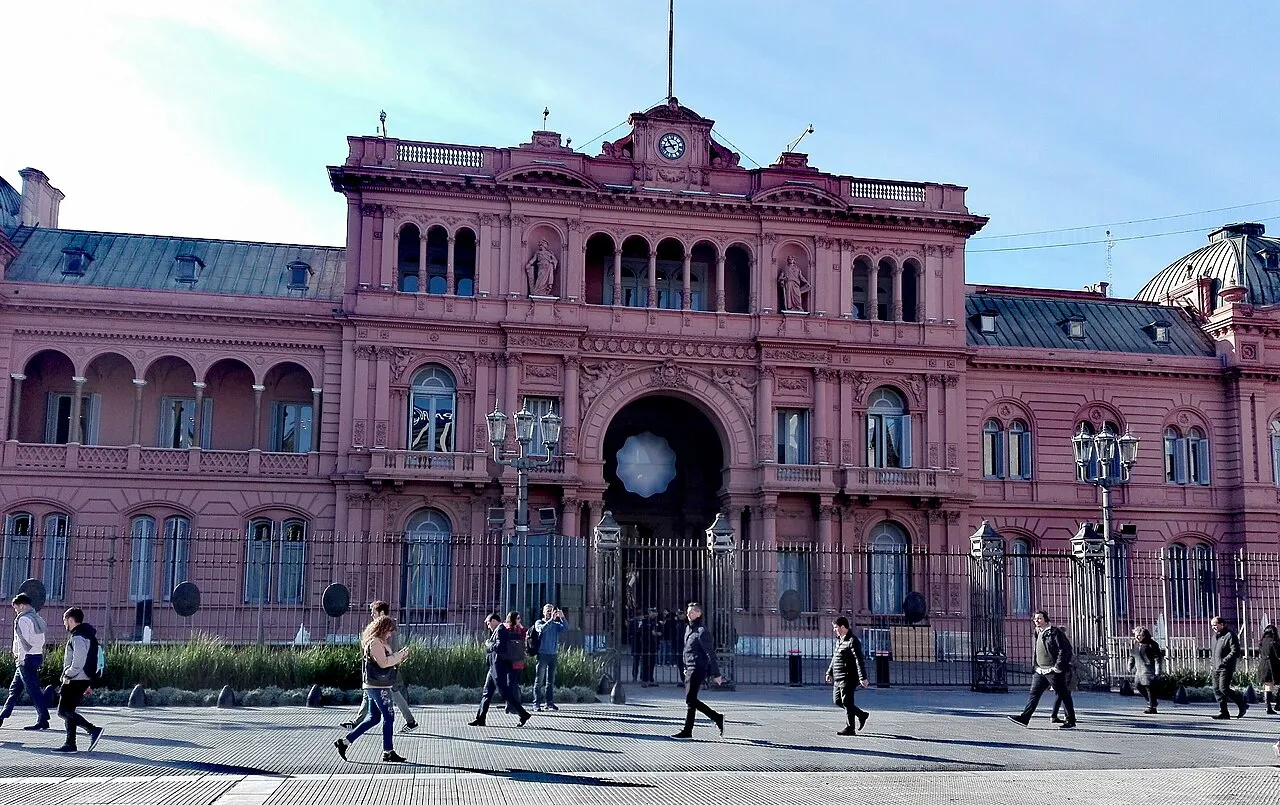
In Karina Milei's case, the central piece of evidence was an unsigned draft agreement recovered from Mauricio Novelli's phone. The judge denied it documentary weight: forensics confirmed the note existed in the device's notes app, but could not prove it had been sent, received or accepted. The only direct documentary link was the July 2024 authorisation of entry to the Casa Rosada for Davis and Bartosz Lipinski, which the judge said does not by itself prove an unlawful agreement. Holding the presidency, he added, may have given the project visibility without that showing a fraudulent scheme.
In requesting the dismissals, Taiano had noted that the project existed, that the token was in fact issued and that the transactions are traceable on the blockchain, and that the defendants never guaranteed returns or price stability in a memecoin market with a strong speculative component.
The investors were already out of the case
The buyers who had sought to join as private complainants had earlier been removed by the Cámara Federal, the federal appeals court. They still have appeals pending before the Cámara Federal de Casación Penal, so the archiving ordered by the trial court does not exhaust the procedural avenues.
A day later, the announcement against the press
On Saturday 24 October, in a long interview with Radio Mitre, Milei said he had been "smeared" for "one year, eight months and nine days" — the exact span between his post on X and the dismissal — and announced that he will bring legal action against "criminal journalists" and outlets that, he said, ran an "operation" against him. He mentioned the La Nación group and named Fernando Saguier and Hugo Alconada Mon, of whom he said "he was defaming me". He then added that he would first consult his lawyers.
In the same interview he denied using the machinery of the state against the press — "I never sent ARCA or SIDE after them, nor did I kill a prosecutor", he said, referring to Argentina's tax agency and its intelligence service — and criticised the congressional committee that investigated the $LIBRA case, calling its creation an institutional irregularity.
Asked about a future re-election bid, he answered: "I am perfectly calm" and "I don't see Argentines voting backwards".
With information from Infobae, El Día, Agencia Noticias Argentinas and MDZ.