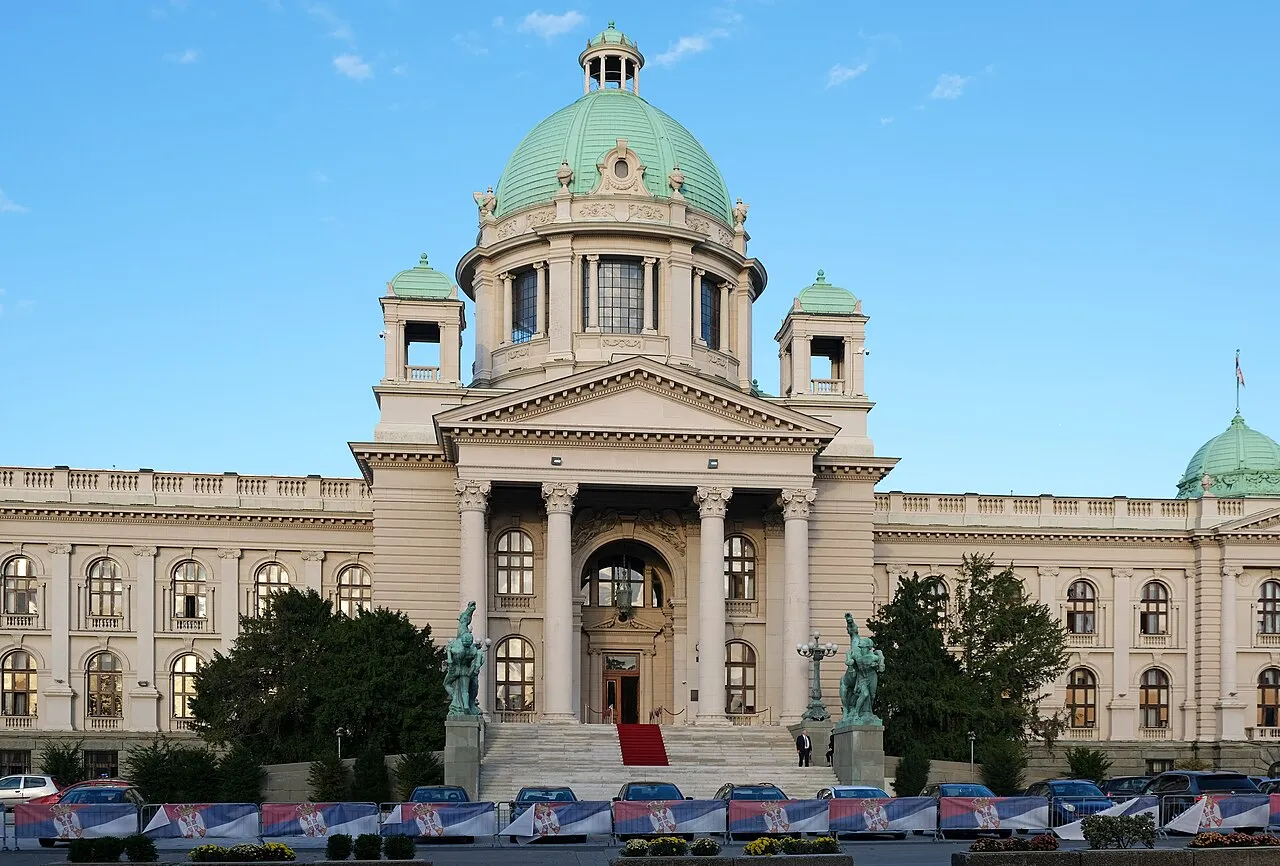
Serbian voters began casting their ballots on Sunday in a snap parliamentary election that sets Aleksandar Vučić, in power for more than a decade, against a slate of candidates drawn from the protest movement that filled the country's streets after an accident that killed 16 people in 2024.
Polling stations opened at 7am local time and close at 8pm, according to Al Jazeera. First results are expected about two hours after polls close, but the official count is not due before Monday, the Associated Press reported.
250 seats, 18 parties and a 3% threshold
Some 6.4 million voters are eligible to elect the 250 members of the National Assembly. Eighteen parties and coalitions are competing, and each needs at least 3% of the vote to enter parliament. High turnout, which is what is expected here, tends to push smaller parties below that cut — which helps explain why the contest has organised itself around two blocs.
Vučić called the snap election in September and resigned the presidency last month to lead the campaign of the Serbian Progressive Party (SNS). If the party takes the largest share of the vote, he is expected to become prime minister, a post he held before serving two near-full terms as president.
The list born of the protests
On the other side is the Students' List, which grew out of the mobilisation that began after the concrete canopy of the railway station in Novi Sad, in the north of the country, collapsed in 2024. Sixteen people died. Protesters blame corruption in the station's renovation for the collapse and have been demanding accountability and justice for the victims.
None of the list's candidates is a student: they are roughly 250 little-known names — university professors, actors, athletes, farmers and specialists from various fields. The campaign runs under the slogan "we know how" and promises to rebuild the economy and the institutions outside party politics. Al Jazeera identifies the cardiologist Ilija Srdanović at the head of the group; the AP describes the list as having no formal leader and no institutional tie to the universities.
An Ipsos poll published on Thursday gave the SNS 47% and the students 40%. Other surveys have put the list ahead, and both camps say they are winning.
What may follow once the polls close
"The political dynamic has changed fundamentally," Jelena Vasiljević, a senior research associate at the University of Belgrade's Institute for Philosophy and Social Theory, told Al Jazeera. In her view, turnout will be decisive: the students need to mobilise not only opposition voters but also undecided voters and habitual nonvoters.
Vučić denies accusations of repression, corruption and spying on opponents, and claims the student list is funded by foreign agents in Croatia and Montenegro — which the group rejects. He has said his side would concede defeat, but warned that protests over alleged fraud after a win of his would be "immediately quashed".
Magda Anastasijevic, Eastern Europe analyst at the conflict monitor ACLED, told the AP that electoral violence has been rising in the country and could escalate, "particularly if the results are disputed". Analysts interviewed by the agency fear post-election instability if the result is close — and the polls point to exactly that.
With information from Al Jazeera and the Associated Press.