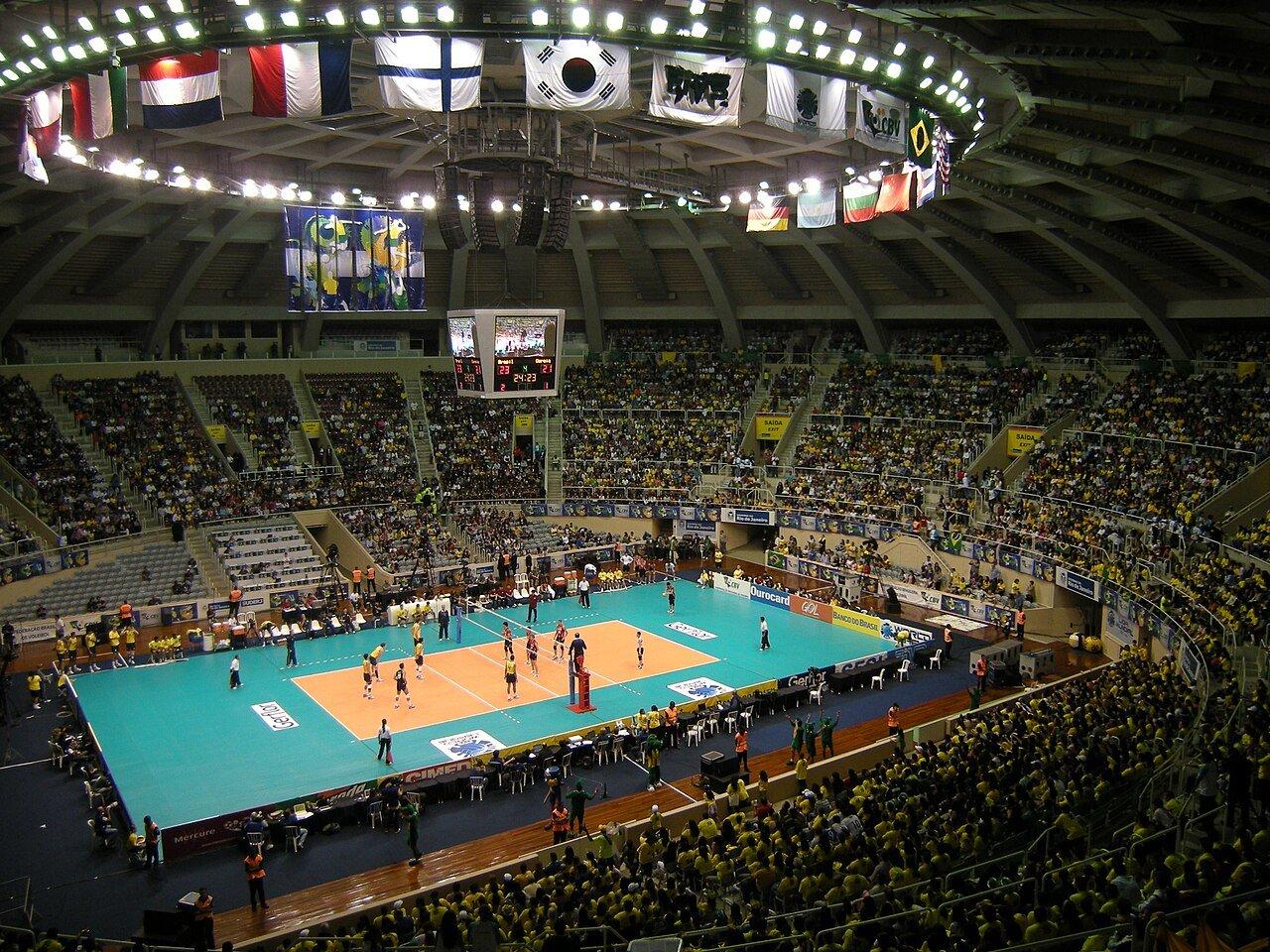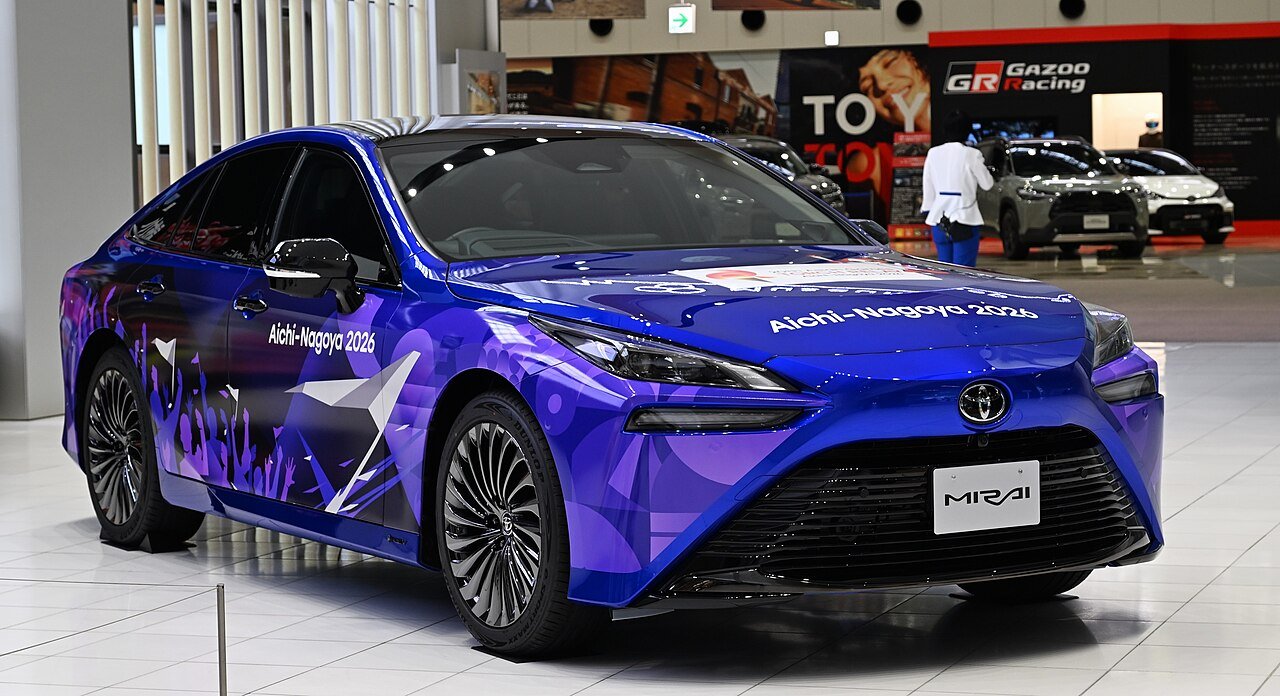
The 20th edition of the Asian Games opens on Saturday in Aichi Prefecture and the city of Nagoya, Japan. The ceremony is set for 6pm local time at Paloma Mizuho Stadium, and competition runs through 4 October.
It is the largest multi-sport event on the 2026 calendar, and the third time Japan has hosted the Games, after Tokyo in 1958 and Hiroshima in 1994. The organisers' official slogan is "ONE ASIA".
The scale of it
- 45 countries, plus the Asian refugee team, in 46 delegations
- more than 11,000 athletes, according to Al Jazeera
- 43 sports, 71 disciplines and 469 medal events
- 54 competition venues
Football and basketball started before the ceremony, as is customary at events of this size.
Six debuting disciplines
Surfing, freestyle BMX, MMA, padel, teqball and virtual taekwondo join the programme — a list that says a good deal about where arena sport is looking: urban disciplines, quick to televise and, in two cases, with no Olympic tradition at all.
Seven sports carry qualification for the Los Angeles 2028 Olympics: hockey, squash, surfing, archery, sailing, tennis and triathlon. In those, the competition in Nagoya has qualifying weight rather than merely continental stakes.
China has historically dominated the medal table — 383 at the 2023 edition — with Japan second.
The bed problem
Organisers reached the eve of the Games with a sum that did not add up. The committee planned accommodation for 15,000 people and took in more than 17,000, because of events added to the programme and delegations larger than contracted.
The fix was improvised on three fronts: the cruise ship Costa Serena, berthed to house 4,000 to 5,000 athletes; huts built from shipping containers for another 2,000 people; and hotels in the region. Athletes report cramped rooms, undersized beds and problems with gender assignment. Record rainfall in the preceding days forced temporary evacuations.
The cost has risen too: an initial estimate of ¥85bn had reached ¥140.5bn — around $927m — by 2023, and that is what led organisers to drop the idea of a purpose-built athletes' village.
With information from Al Jazeera and the official site of the Aichi-Nagoya 2026 organising committee.