The Senado (Senate) decides this week how fast the constitutional amendment bill (PEC) that ends the 6x1 shift (six days worked to one day off) will move. Approved by the Câmara (lower house) at the end of May, the PEC establishes two mandatory weekly rest days and cuts the working week from 44 to 40 hours, with no cut in pay.
The decision on the path
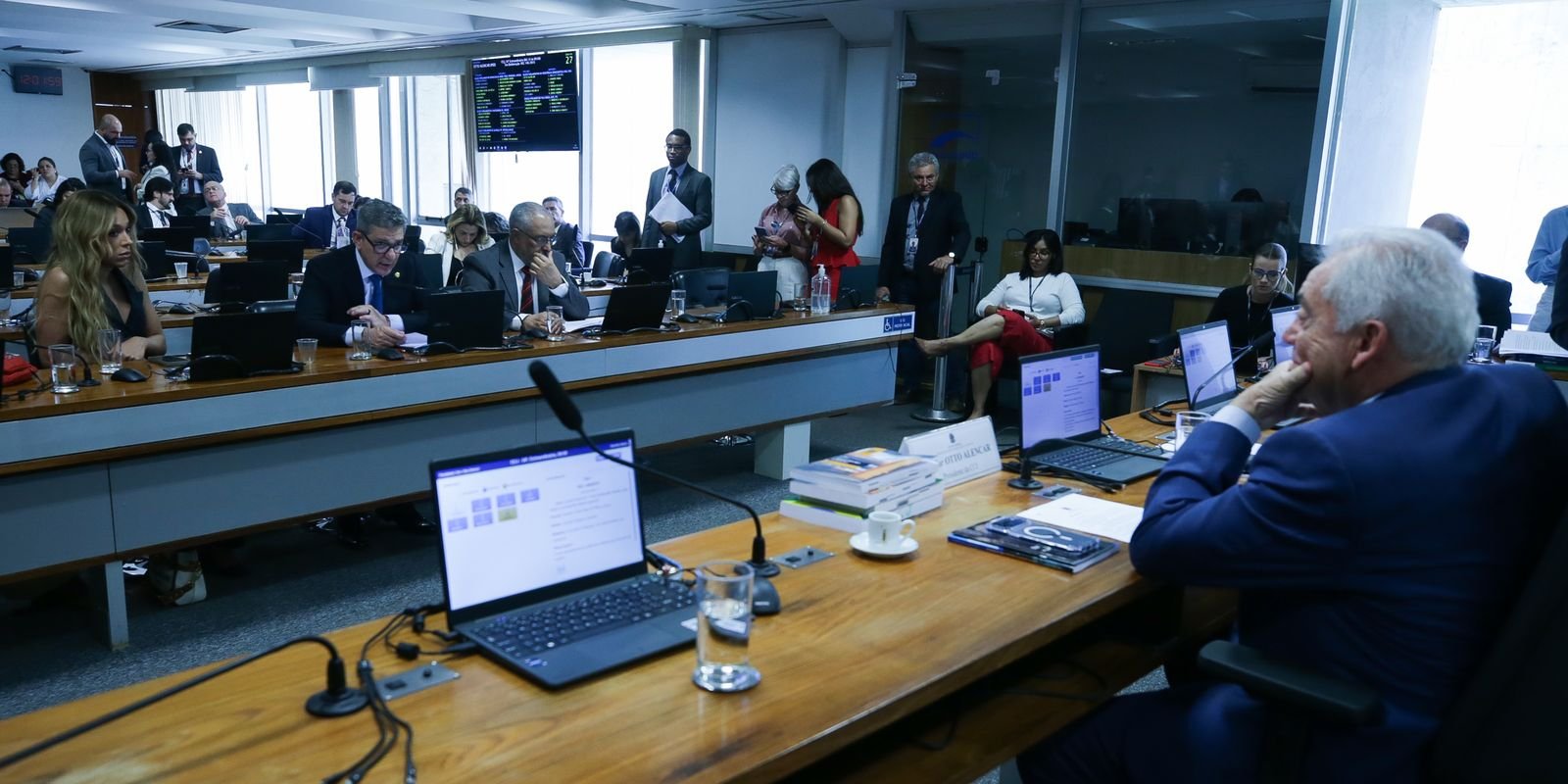
A party leaders' meeting set for Tuesday (the 9th) will discuss how the bill moves forward. The president of the Senado, Davi Alcolumbre (União-AP), has already said the proposal should go through the committees rather than straight to the floor, starting with the Comissão de Constituição e Justiça (CCJ), chaired by Otto Alencar (PSD-BA).
The reasoning is that the Senado needs to hear every affected sector — which could stretch the review out over the coming months.
Choosing the path is, in practice, choosing the timetable. Going straight to the floor shortens it; the committees lengthen it, and each stage opens a fresh opportunity for amendments.
What has already slipped
Since it arrived, on May 28, the PEC has not moved, and the Corpus Christi holiday slowed the pace further. The federal government backs the proposal, which has the support of civil society organizations, and the expectation was that it would be approved by mid-July.
The count it needs
Because it is a constitutional amendment, the PEC requires three-fifths of the Senado — 49 votes — in two rounds of voting. Any change to the text sends it back to the Câmara for a final review.
Another PEC on the agenda
The CCJ has also scheduled for Wednesday (the 10th) the vote on the proposal granting budgetary and financial autonomy to the Banco Central (Central Bank), put forward by Senator Vanderlan Cardoso (PSD-GO).
With information from Agência Brasil. Original report by Pedro Rafael Vilela, published on June 9, 2026.