Colombia opened its embassy to Israel in Jerusalem on Wednesday. With the ceremony, the country joins the small group of states that keep diplomatic representation in a city whose status remains disputed, closing the rift that opened two years ago.
The ceremony
Colombian Foreign Minister Omar Bula and Israeli Foreign Minister Gideon Sa'ar led the opening. Sa'ar signed the mission's guest book and called the day "an important date for the State of Israel", according to the AFP news agency. Bula presented the opening as a concrete step towards fully restoring a relationship that, he said, "should never have been interrupted".
The mission is headed by Ambassador Tania Gilinski, who described Israel as a strategic partner for Colombia against terrorism, drug trafficking and transnational organised crime, and framed security as a shared priority for the two countries.
From rupture to reversal
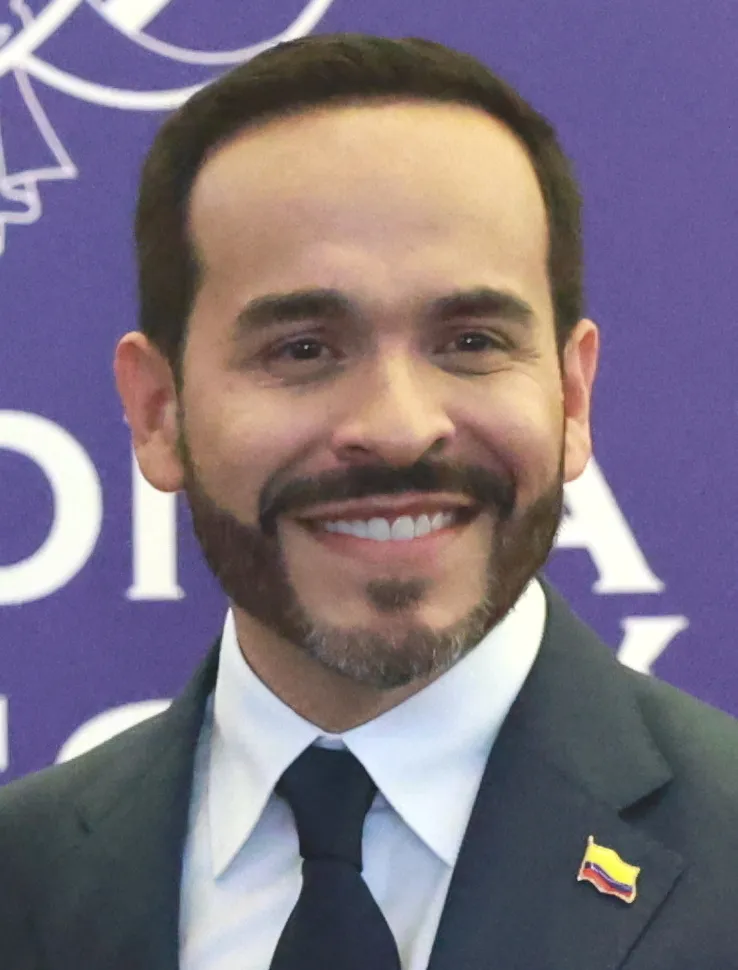
The opening undoes the previous government's decision. In 2024, then-president Gustavo Petro severed diplomatic relations with Israel in protest at the military offensive in Gaza. Abelardo de la Espriella, who took office on 7 August 2026, had promised during the campaign to move the embassy to Jerusalem as a gesture of support for Israel.
It is not his first step in that direction. In August, his government recognised Israeli sovereignty over the Golan Heights, the territory Israel took from Syria in the 1967 war. Until then, the United States was the only country to have recognised that claim, which it did in 1981.
Colombia's embassy had left Jerusalem 46 years ago, in line with the majority position of the international community after Israel annexed the eastern part of the city.
A short list
Most countries keep their embassy in Tel Aviv, arguing that Jerusalem's status should be settled in an agreement between Israelis and Palestinians. Israel has occupied the east of the city since 1967 and later annexed it; that area, with an Arab majority, is claimed by Palestinians as the capital of a future state, and the annexation is not recognised internationally.
The United States moved its embassy to Jerusalem in 2018, during Donald Trump's first term. Guatemala, Honduras, Paraguay, Fiji and Papua New Guinea followed. In Argentina, Javier Milei has promised the same move.
With Colombia, four Latin American countries now have embassies in the city: a small bloc in global terms, but a significant one within a region where policy towards Israel has become a dividing line between governments.
With information from AFP, La Nación (Paraguay), Infobae and Semana.