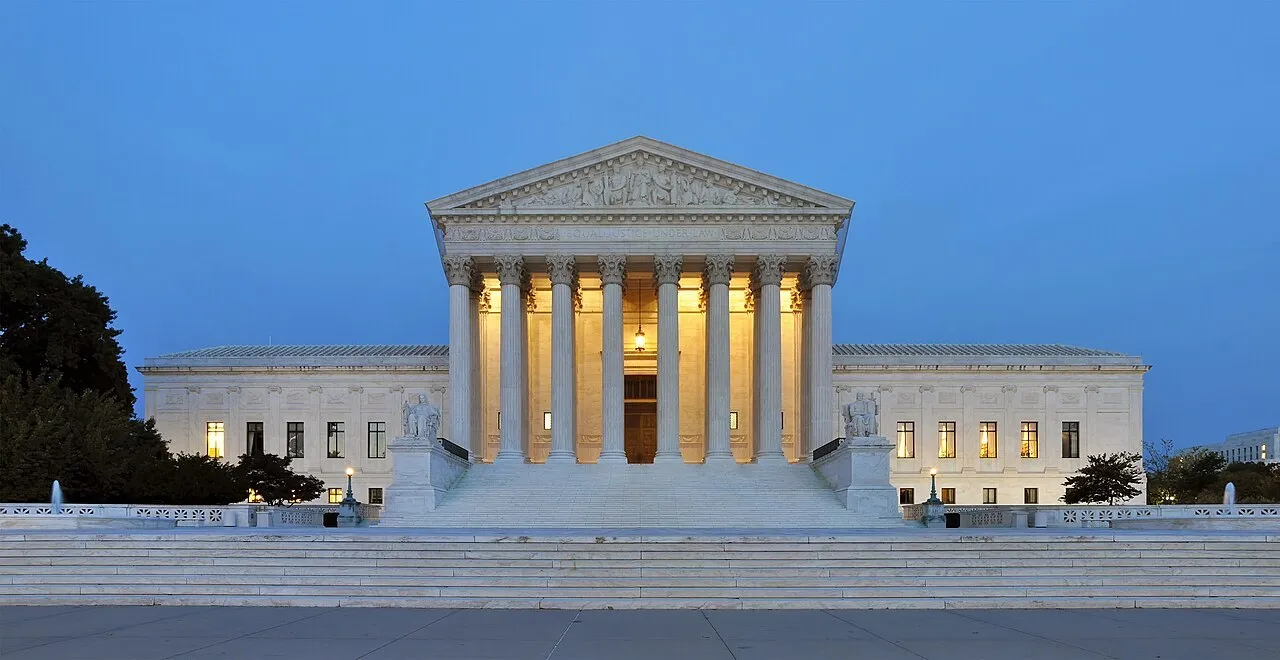
The Supreme Court said on Tuesday, October 13, 2026, that it will hear the federal government's appeal in a fight over records held by the U.S. DOGE Service, the cost-cutting operation stood up at the start of President Donald Trump's second term and associated with Elon Musk. The question the justices agreed to take up is narrow in form and wide in effect: whether DOGE is a federal agency, and so answerable to anyone who files a Freedom of Information Act request, or a body that only advises the president and is exempt from the law.
What the watchdog asked for
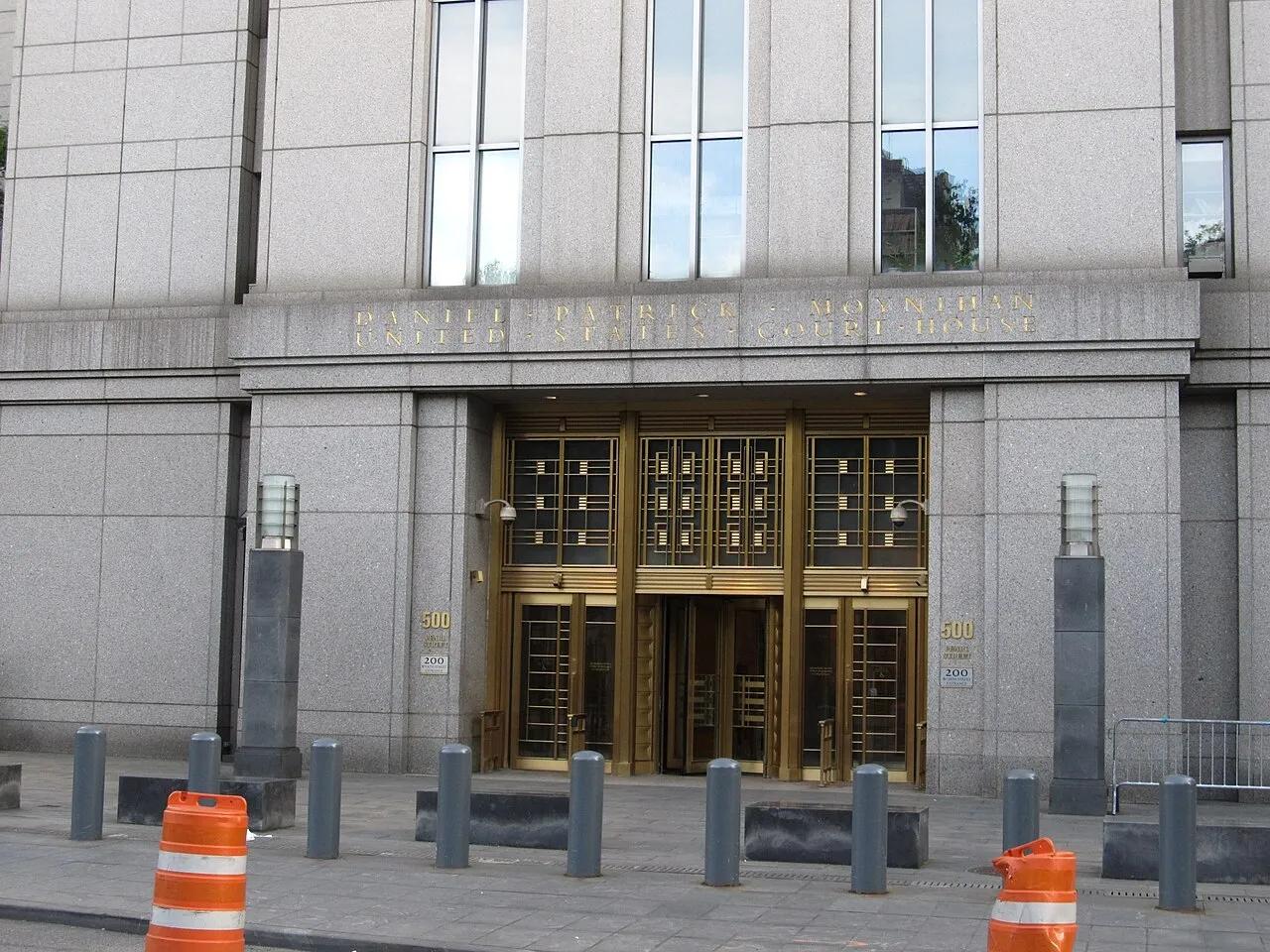
The requester is Citizens for Responsibility and Ethics in Washington, a transparency group known as CREW, which sought DOGE records from the administration's first weeks. U.S. District Judge Christopher Cooper, in the District of Columbia, sided with CREW and ordered the government to process the request on an expedited schedule. A panel of the U.S. Court of Appeals for the D.C. Circuit also sided with CREW, finding that the lower court had followed the Supreme Court's earlier instructions in the same case.
The government's position is that FOIA reaches agencies, not the president's immediate advisers, and that DOGE belongs in the second group. CREW's position is that an operation that directed staffing and spending decisions across the executive branch was doing agency work, whatever it was called.
The deposition the government is fighting
Part of what the administration is appealing is not the records themselves but the discovery around them: an appeals court allowed a sworn deposition of Amy Gleason, DOGE's acting administrator. Justice Department lawyers argued in their filing that "subjecting advisory bodies to intrusive discovery triggers the very concerns that Congress sought to avoid," and that the lower courts had passed over separation-of-powers objections and the confidentiality of presidential advisers.
Nikhel Sus, the CREW lawyer on the case, said the group "will continue to pursue transparency for the American people."
How the case reached the justices twice
This is the second time the dispute has gone up. On June 6, 2025, the Supreme Court found that Cooper's discovery orders of April 15 and May 20, 2025, were drawn too broadly, stayed them, and sent the matter back to the D.C. Circuit with instructions to narrow the April order. The vote was 6-3, with Justices Sonia Sotomayor, Elena Kagan and Ketanji Brown Jackson dissenting. In that order the court also said an entity's status as an agency under FOIA cannot turn on how persuasive its recommendations were.
The D.C. Circuit ruled again on July 14, 2025, and denied rehearing on December 18, 2025. Solicitor General D. John Sauer filed the certiorari petition on March 18, 2026; it was docketed as No. 25-1103 two days later. CREW filed its brief in opposition on June 22, 2026, after two extensions, and the government replied on July 1. The petition was first distributed for the justices' conference of September 28, 2026, then redistributed for the conference of October 9 — the sitting that produced Monday's and Tuesday's orders.
Why the label matters
FOIA's definition of "agency" is the whole fight. Bodies whose sole function is to advise and assist the president have long been treated as outside the statute, which is why the government keeps returning to that description, and why CREW keeps pointing at what DOGE did rather than at how it was chartered. A ruling for the government would put DOGE's internal records beyond the reach of the public-records system for good; a ruling for CREW would expose the files of an operation that reorganized parts of the federal workforce in 2025, and would set the test that future White House units are measured against.
The court has not yet set an argument date. The docket entry that matters next is the scheduling order.
Reporting from Al Jazeera, Spectrum News and the Supreme Court's public docket for No. 25-1103.