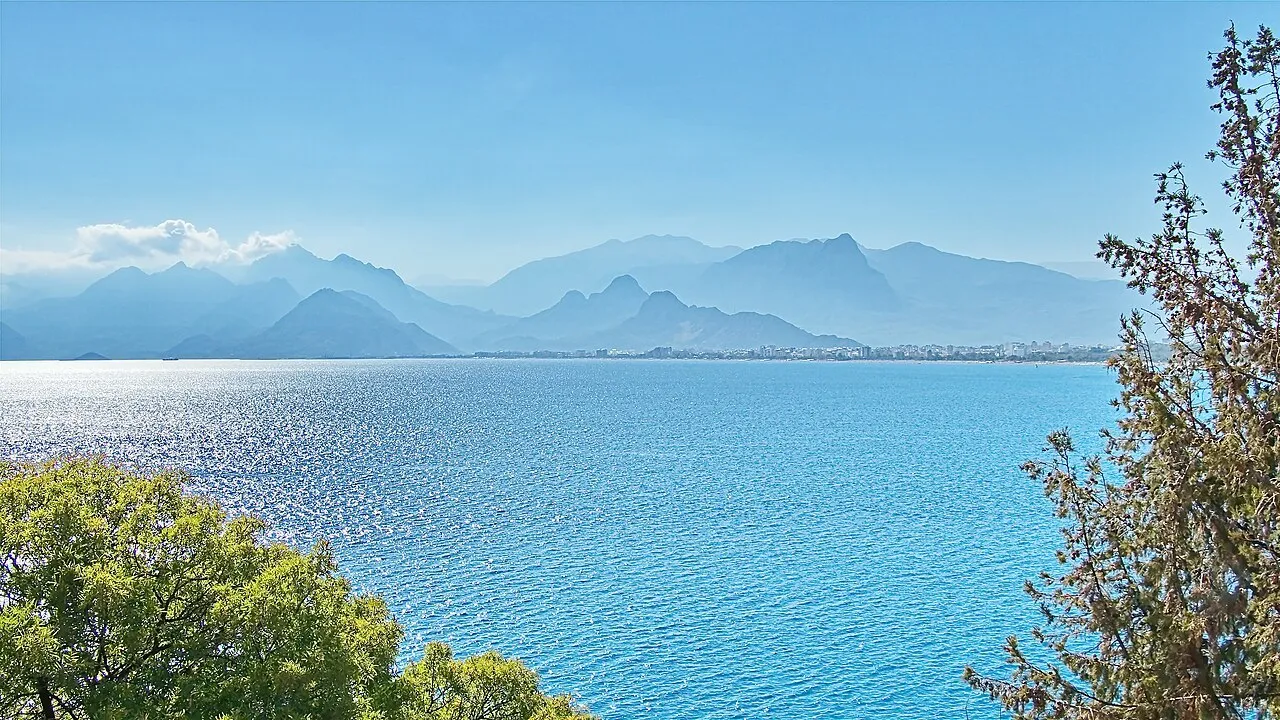
The 31st Conference of the Parties to the United Nations Framework Convention on Climate Change (COP31) opens on Monday in Antalya, in southern Türkiye, and runs until 20 November. Representatives of around 200 countries and more than 100,000 registered participants are expected.
A presidency split in two
The conference debuts an unprecedented arrangement: Türkiye holds the formal presidency — the role is filled by Environment Minister Murat Kurum — while Australia leads the negotiations, working closely with Pacific island countries. The split was the way out of a dispute between the two governments over which would host the meeting.
"COP31 comes at a difficult time for the world," said Australian Climate Minister Chris Bowen. Kurum said the conference would strive "to turn the commitments of past COPs into real results".
What is on the table
By the UN's reading, four fronts concentrate the dispute:
- Climate finance. Developing countries want wealthier nations to meet their financial commitments under the Paris Agreement. African negotiators want a pledge to triple adaptation finance added to the agenda.
- Just transition. The mechanism agreed last year exists on paper but still has no operating rules.
- Adaptation. The negotiation is about how to measure progress — and about who pays for it.
- Emissions cuts. Governments remain divided over tightening targets and over delivering what they have already promised.
Antalya also launches the second global stocktake, the periodic exercise that measures what countries collectively have delivered against the Paris Agreement.
Türkiye's bet is electrification
Outside the negotiated text, Türkiye has assembled an "action agenda" of voluntary commitments, ranging from artificial intelligence to waste management. Its centrepiece is raising electricity's share of global energy demand from about 20% today to 35% by 2035. Türkiye and Australia want electrification named in the conference's final decision; the European Union is pushing for the text to speak of "clean" electrification.
Fossil fuels are likely to be the thorniest point. The COP28 pact in 2023 committed countries to transition away from fossil fuels, but COP30 ended without an explicit reference to the subject after oil-producing countries objected — Brazil put forward a voluntary phase-out roadmap instead. Observers believe the Turkish-Australian presidency is trying to avoid a repeat of that deadlock.
The backdrop
The conference opens after a year of disasters: floods in Nepal, heatwaves in Europe and wildfires in Indonesia. A strong El Niño is forecast to peak later this year and could make 2026 or 2027 the hottest year on record. In September, the UN warned that the world is on track to exceed 1.5°C of warming above pre-industrial levels — the Paris Agreement's most ambitious threshold — in a temporary breach scientists call overshoot.
The transition's numbers, though, are not all bad. A decade ago, fewer than 1 in 100 new cars sold worldwide was electric; in 2025 the share was 1 in 4, and the forecast for 2026 is 28%. Last year more than 600 GW of solar capacity was installed, over three-quarters of all new renewable capacity, along with 108 GW of batteries — 40% more than in 2024, in a stock now eleven times the 2021 level.
The imbalance lies in where that money goes. Emerging and developing economies outside China, home to nearly two-thirds of the world's population, received 18% of global clean energy investment in 2025. Around 600 million people in Africa still have no access to electricity, and renewable projects in developing countries can cost several times more to finance than identical projects in wealthy ones. The difference, in that case, is not the technology: it is the cost of capital — which explains why much of the fight in Antalya will be about money rather than targets.
Who is going
A US congressional delegation will be in Antalya, but the Trump administration is not taking part in the negotiations. President Luiz Inácio Lula da Silva travels to Türkiye next week.
With information from UN News, the United Nations Framework Convention on Climate Change portal (unfccc.int) and AFP, via RTÉ.