France spent Thursday, 5 November, under a day of strikes and demonstrations called by the main trade union confederations over wages, purchasing power, jobs and the funding of public services. As is usual in the country, the day ended with two sharply different counts of how many people took part.
Two counts, almost a million apart
The Ministère de l'Intérieur (Interior Ministry) counted 575,000 demonstrators at 193 actions across the country, including 65,000 people in Paris. The CGT, the confederation that led the call, released a figure nearly three times higher at 5.30pm: 1,573,000 demonstrators in 207 towns and cities.
The gap between the two estimates comes close to a million people — and it repeats city by city. In Paris, the union claimed 350,000 against the authorities' 65,000. In Bordeaux it was 120,000 for the CGT and 21,000 for the prefecture; in Toulouse, 80,000 against 21,800; in Lyon, 55,000 against 30,500. The CGT also reported 150,000 in Marseille, 100,000 in Lille and 35,000 each in Nantes and Rennes.
Neither count is independently audited: the government's is compiled by the prefectures, the union's by the organisers of the marches themselves.
The strike reached schools and the railways
In workplaces, the numbers again depend on who is counting. The CGT estimated one railway worker in three on strike and more than 2,000 work stoppages in metalworking, food processing, construction, retail, chemicals, transport and the postal and telecoms sector.
In education, the SNES-FSU union reported 52% of its members on strike and close to a thousand lycées blocked or administratively closed, in whole or in part. The Ministère de l'Éducation Nationale (Ministry of National Education), in a provisional tally, found 15.81% of teachers on strike and 12.77% of all staff. Matignon, the prime minister's office, counted 81 lycées blocked or closed.
These counts do not cover the same ground — the union measures only the grades it represents, the ministry measures the whole system — which explains part of the difference without dissolving it.
Arrests, injuries and tension in Lyon and Toulouse
The government deployed 70,000 police and gendarmes nationwide. In its 6pm assessment, the interior ministry reported 448 arrests and 53 police officers or gendarmes injured, and judged that the declared marches had proceeded "broadly well". No consolidated national figure for injured demonstrators was available at that hour.
There were localised clashes. In Lyon, the prefecture recorded 24 arrests and 40 injuries — 34 of them among the security forces and six among demonstrators — with projectiles, firework mortars and fires. In Toulouse there were 30 arrests and 18 injured officers, in confrontations around the pont des Catalans. Tension was also reported in Rennes, Marseille, Nantes, Bordeaux and Strasbourg.
Matignon answers with a social conference
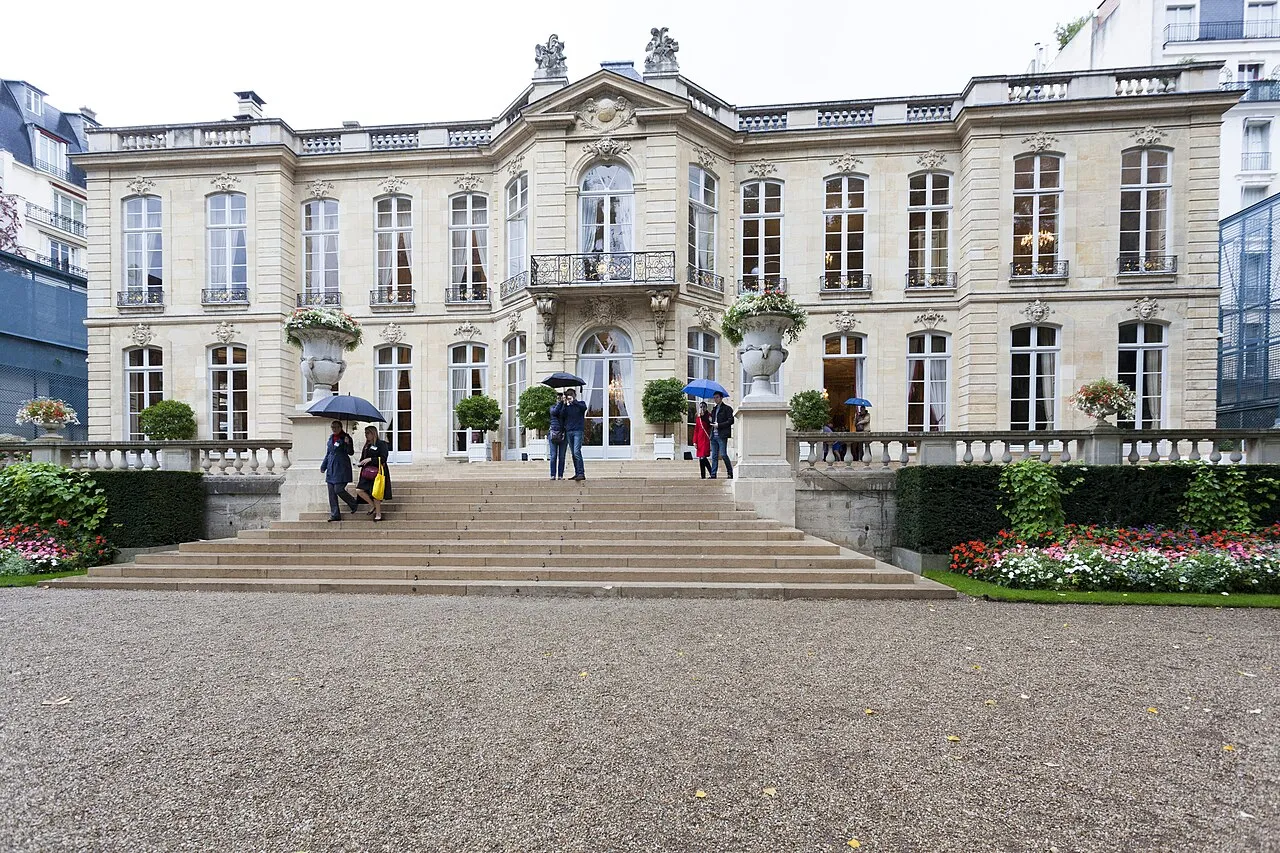
Hours after the marches ended, Prime Minister Sébastien Lecornu announced a social conference for Monday, 9 November at Matignon, with trade unions and employers' representatives, focused on wages and purchasing power.
The announcement does not close the protest calendar. The CGT said it intends to keep up the mobilisation, and the SNES-FSU has already called a further demonstration for 7 November, followed by another day of action early the week after. The movement has a long run-up: it began with school protests in September and now settles in less than six months before the French presidential election, due in April.
One figure measures the size of the day: even on the official count, the lower of the two, 575,000 people at 193 events is a mobilisation the government cannot treat as an isolated episode — and it was that count, not the union's, that Matignon answered with a date in the diary.
With information from PolitiqueMatin, the assessments of France's interior ministry and Ministry of National Education, the figures released by the CGT and the SNES-FSU, and Le Monde's national tracking cited in the reporting. The same range of 575,000 to 1.6 million demonstrators and the figure of 448 arrests were also published by France 24 and franceinfo.