The Ebola epidemic in the Democratic Republic of the Congo had reached 9,704 confirmed cases and 4,687 deaths as of 20 October, a case fatality rate of 48.3% — close to one death for every two patients. The figures come from the outbreak bulletin the World Health Organization (WHO) published on 23 October, which also records 2,595 recoveries.
The outbreak was declared on 15 May this year and has spread across 66 health zones in eight provinces. Ituri province is the epicentre, with 7,040 cases and 3,271 deaths. Since the previous bulletin, the WHO has added 976 cases and 482 deaths.
A virus with no approved vaccine
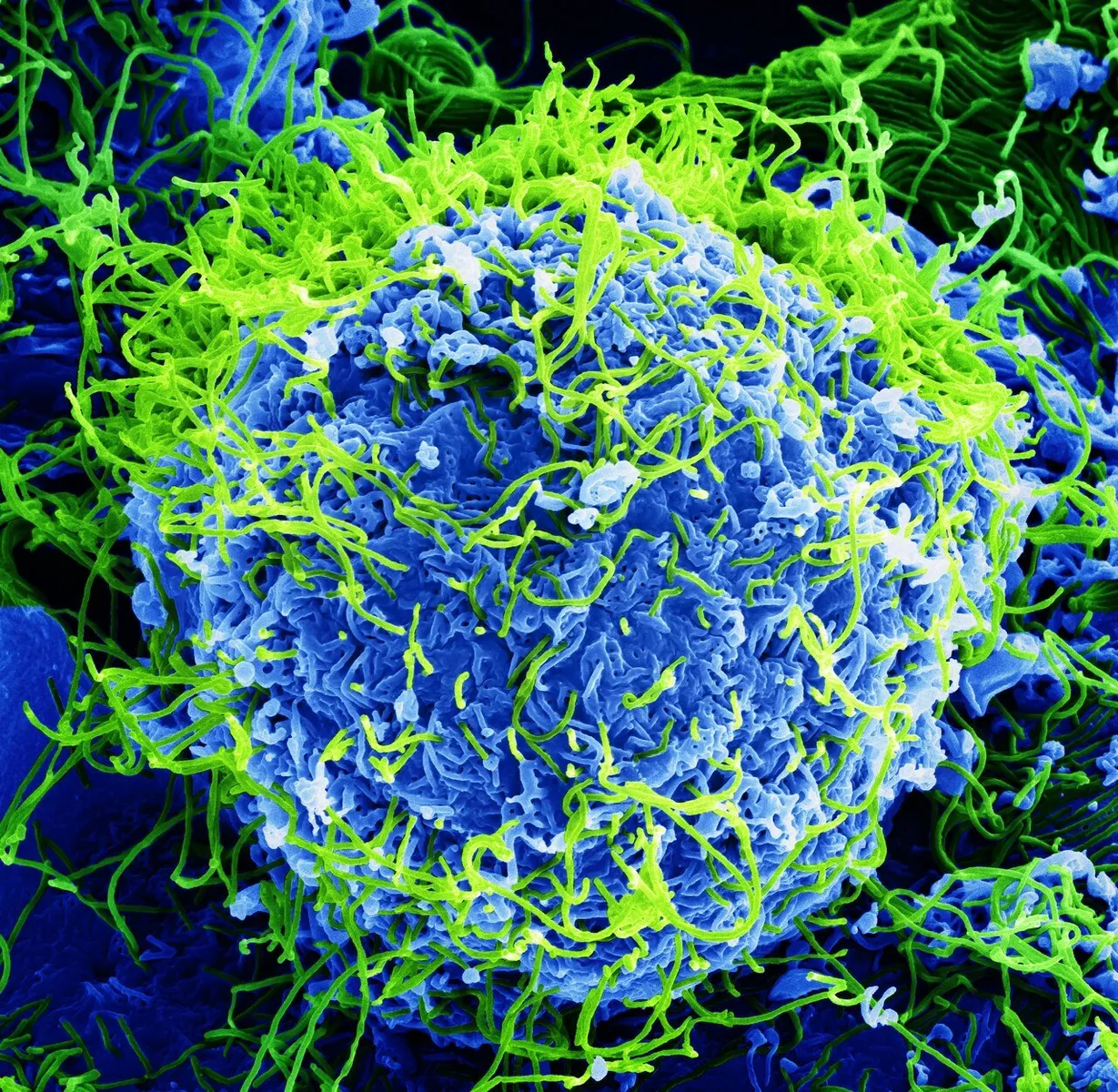
The agent is Bundibugyo virus (BDBV), one of the Orthoebolavirus species and the cause of a severe form of Ebola disease. Fruit bats are the suspected natural reservoir. There is no approved vaccine and no specific treatment for this species — which sets this outbreak apart from Ebola Zaire episodes, for which a licensed vaccine exists.
On 23 October a phase 2/3 clinical trial named TUMAINI began in Bunia, in Ituri itself, run by the Congolese authorities with a ring vaccination strategy: immunising those who have been in contact with confirmed cases. The first vaccine being tested is Ervebo, effective against the Zaire strain and of unknown effect against Bundibugyo; four people were vaccinated at the launch, according to UN News. WHO technical groups are assessing two candidates specific to this strain, ChAdOx1 and mRNA-1469. Results are expected in several months.
Kenya and Nigeria
Kenya confirmed its first case on 6 October: a man who had worked in the DRC, returned via Uganda on 3 October and died in Nairobi two days later. The eight subsequent cases formed a single cluster among family members and health workers, and the country reports no community transmission. The death toll varies with the date of the count: the WHO bulletin of 23 October recorded one, and UN News reported two on 27 October.
On 26 October, 20 contacts were discharged after 21 days of monitoring with no symptoms; 98 remained in quarantine. In Nigeria, an imported case was confirmed in Abuja on 20 October, with 44 contacts under surveillance. Uganda and France also appear on the list of affected countries, without figures in the bulletin.
What the WHO recommends
The risk assessment carried out on 14 August rates the situation as very high in the DRC, high in countries sharing a land border with it and low in the rest of the African region and worldwide. A revision is under way.
The WHO advises against any restriction on travel to, or trade with, affected countries and calls for stronger cross-border surveillance, monitoring at points of entry and rapid case detection.
The indicator that explains the persistence of the curve is contact follow-up: the rate in the DRC is 79.7%, below the 95% target. In an Ebola outbreak, every contact not found is a transmission chain still open.
With information from the World Health Organization and UN News.