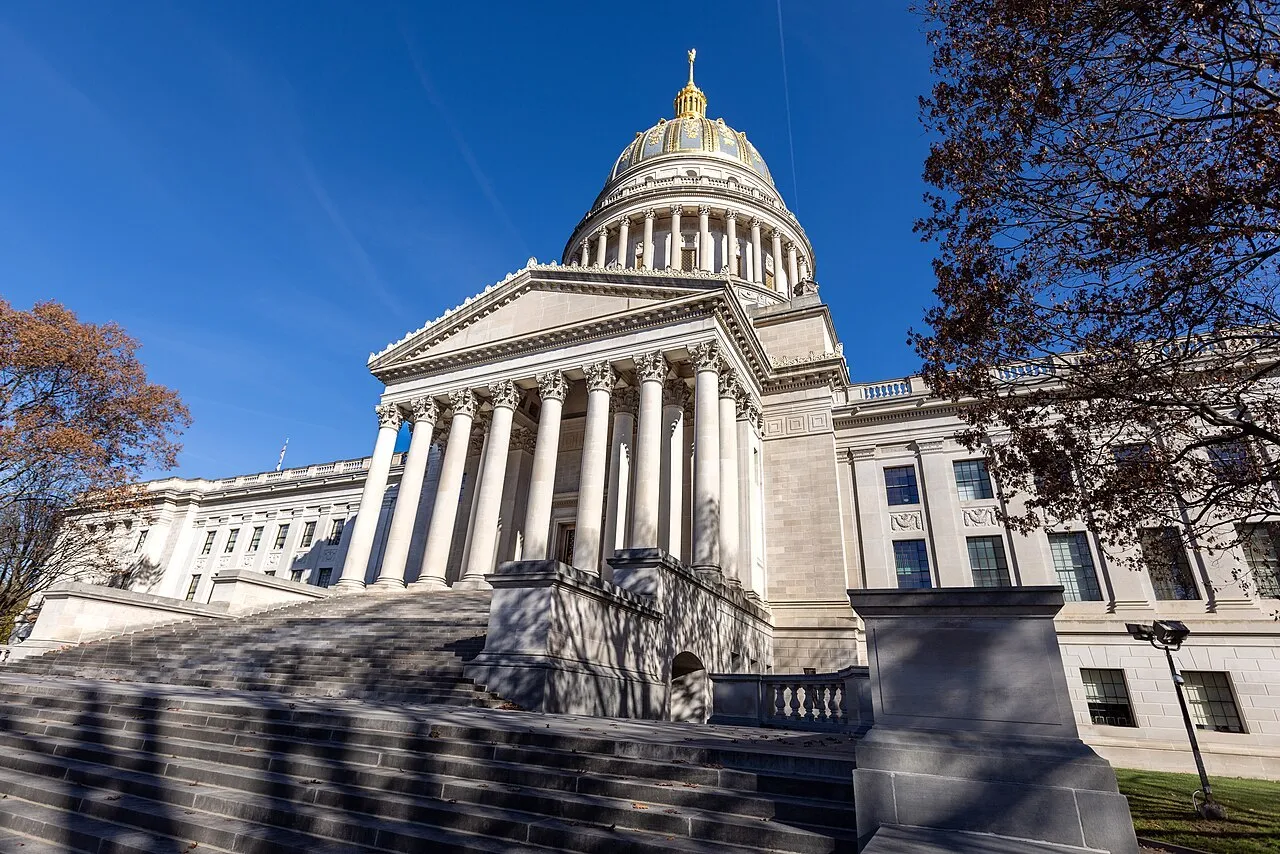
West Virginia sued TikTok on Thursday, October 29, 2026, accusing the app of being designed to hold young teenagers for as long as possible and of leaving parents without an accurate picture of what their children are exposed to. Attorney General JB McCuskey filed the consumer protection case in the Circuit Court of Kanawha County.
"TikTok knowingly designed its app to keep young teens engaged for as long as possible," McCuskey said in announcing the filing. The complaint alleges violations of several West Virginia consumer protection laws through the design and operation of the app, rather than through any single piece of content.
TikTok had not responded to the lawsuit.
The two-account test
The centerpiece of the state's account is an experiment its Consumer Protection Division ran with two accounts opened side by side.
One was registered to an adult. The other was registered to a 13-year-old girl. According to the attorney general's office, the adult account was served largely ordinary material — home improvement, local restaurants. The account registered to the child repeatedly received sexually suggestive content.
That contrast is the state's answer to a standard defense in cases of this kind, which is that a feed only reflects what a user chooses. Two accounts opened at the same time, with different declared ages, produce a comparison the platform's own ranking system is responsible for.
What else the state alleges
Beyond the recommendation system, the suit argues that TikTok's features make children findable and reachable by strangers. The attorney general's office says information visible on a public profile can let an adult impersonate a peer and build a child's trust before a parent knows contact has happened.
The complaint also cites a West Virginia University study linking more frequent use of the app to more depressive symptoms among teenagers, with a stronger association among those who compared their own lives to idealized versions of their friends' lives.
The state frames all of this against its own history: in 2017 West Virginia had the highest estimated rate in the country of children affected by opioid use, a population the office argues is already more exposed to the mental health harms the suit describes.
What the state is asking for
The filing seeks restitution, disgorgement of what the state calls ill-gotten gains, civil penalties, attorneys' fees and costs. It also asks the court for injunctive relief — specifically, orders requiring effective measures to detect child predators and requiring changes to the product's design.
No dollar figure appears in the announcement. The remedy the state is pressing hardest for is structural rather than financial: a court telling the company how the app has to work for minors.
This is not McCuskey's first case of this kind. His office has also sued OpenAI, and West Virginia has previously reached settlements with Meta and with Roblox over alleged harms to children.
Reporting from the West Virginia Attorney General's office, WVVA and The Hill.