The Council of the European Union adopted on Monday the decision establishing the European Union Support Mission in Lebanon (EUSM Lebanon) under the Common Security and Defence Policy (CSDP). The initial mandate runs for three years, and the mission was set up at the invitation of the Lebanese authorities.
The decision comes 80 days before the end of the mandate of the United Nations Interim Force in Lebanon (UNIFIL), which expires on 31 December 2026 and is expected to be followed by a phased withdrawal over the following year. Kaja Kallas, the European Union's High Representative for Foreign Affairs and Security Policy, said during a visit to Beirut on 8 October that the new mission does not take over UNIFIL's peacekeeping duties.
Two pillars, one political mandate
EUSM Lebanon will operate with two components under a single political mandate:
- Military pillar — advice and training for the Lebanese Armed Forces on border and maritime security, including land border surveillance, intelligence, surveillance and reconnaissance, counter-smuggling and operational coordination.
- Civilian pillar — advice and specialised training for the Internal Security Forces, with an emphasis on cybercrime and smuggling, plus support for port security governance, including at the Port of Beirut.
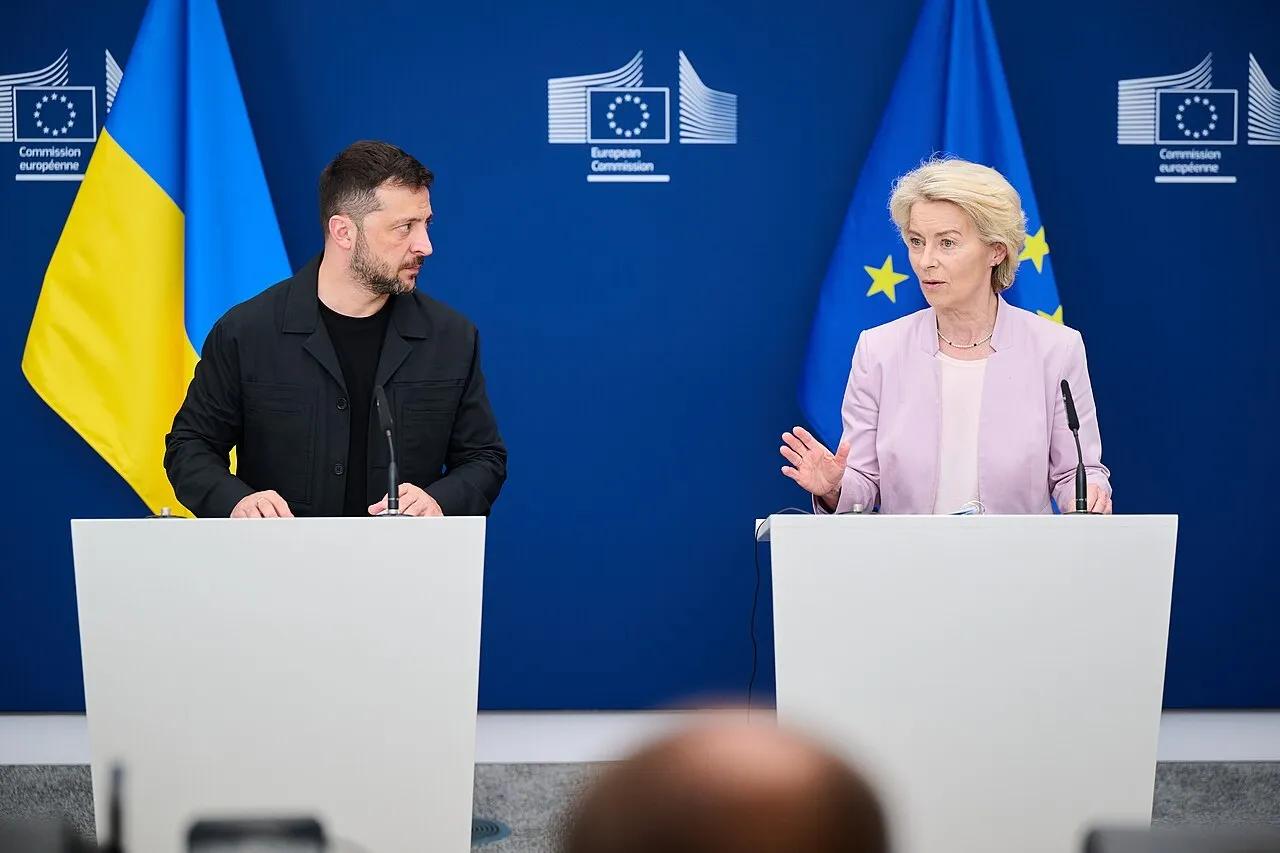
The mission states that it is aligned with UN Security Council Resolution 1701, adopted in 2006, and is meant to complement European assistance already provided through the European Peace Facility. According to the Council's statement, Kallas called the decision "a major update of our security ties" and said "Europe is invested in Lebanon's future".
Established, but not yet launched
Monday's adoption does not put personnel on the ground. Operational planning continues, and deployment depends on a second Council decision that will launch the mission once that planning is complete. The statement gives no figures for staffing, budget or headquarters.
Getting here took four months: on 19 June, European Council conclusions reaffirmed support for Lebanon and signalled a possible CSDP mission; on 24 July, the Council approved the Crisis Management Concept that underpins the operation.
An arrangement not everyone wanted
The decision is not uncontested outside the bloc. The Lebanese newspaper Al-Modon reported, citing unnamed sources, that Washington objected in principle to the mission, preferring existing coordination mechanisms and a larger role for the Lebanese army over another international military arrangement on the UNIFIL model. The same account attributes to Israel a preference for direct coordination with the Lebanese Armed Forces through US-backed channels. Neither position has been independently confirmed, and there is no record of formal US opposition to the Council decision.
The calendar explains the hurry. With UNIFIL on its way out and no successor carrying a peace-enforcement mandate, the European bet is to transfer capability to the Lebanese forces before the vacuum opens — and the gap between "mission established" and "mission deployed" is precisely the deadline the bloc has yet to meet.
With information from the Council of the European Union, Eunews and The New Arab.