
The European Commission and Ukraine's government announced, in a joint statement issued on 1 October, that they have identified the resources needed to cover the country's budget and defence spending through the end of 2026. The text also commits both sides to "move forward swiftly with the allocation of €45 billion" in 2027.
The announcement closes, on paper at least, an account that had been argued over in public for weeks. Ukraine's prime minister, Sergii Koretskyi, had put the shortfall at $27 billion for the country to sustain military operations at the start of next year.
Where the money comes from
The backbone of the funding is the Ukraine Support Loan, the €90 billion package the European Union approved for 2026–2027, with disbursements split between the two years. It is not a grant: the EU borrows on the market and lends to Kyiv under agreed conditions.
And the conditionality still applies. According to the statement, the resources identified cover spending "for the remainder of this year", and timely release depends on meeting the established benchmarks — the same holds for the 2027 tranche. In other words, the money is earmarked, not credited.
Monthly meetings, and a message to other donors
The two sides also agreed on monthly coordination meetings and on beginning work to identify additional budgetary and defence needs beyond what is already covered.
The statement carries a message for third parties as well: "other partners must also fulfil their financial commitments and step up their efforts" — a line that, in practice, points at donors outside the European bloc.
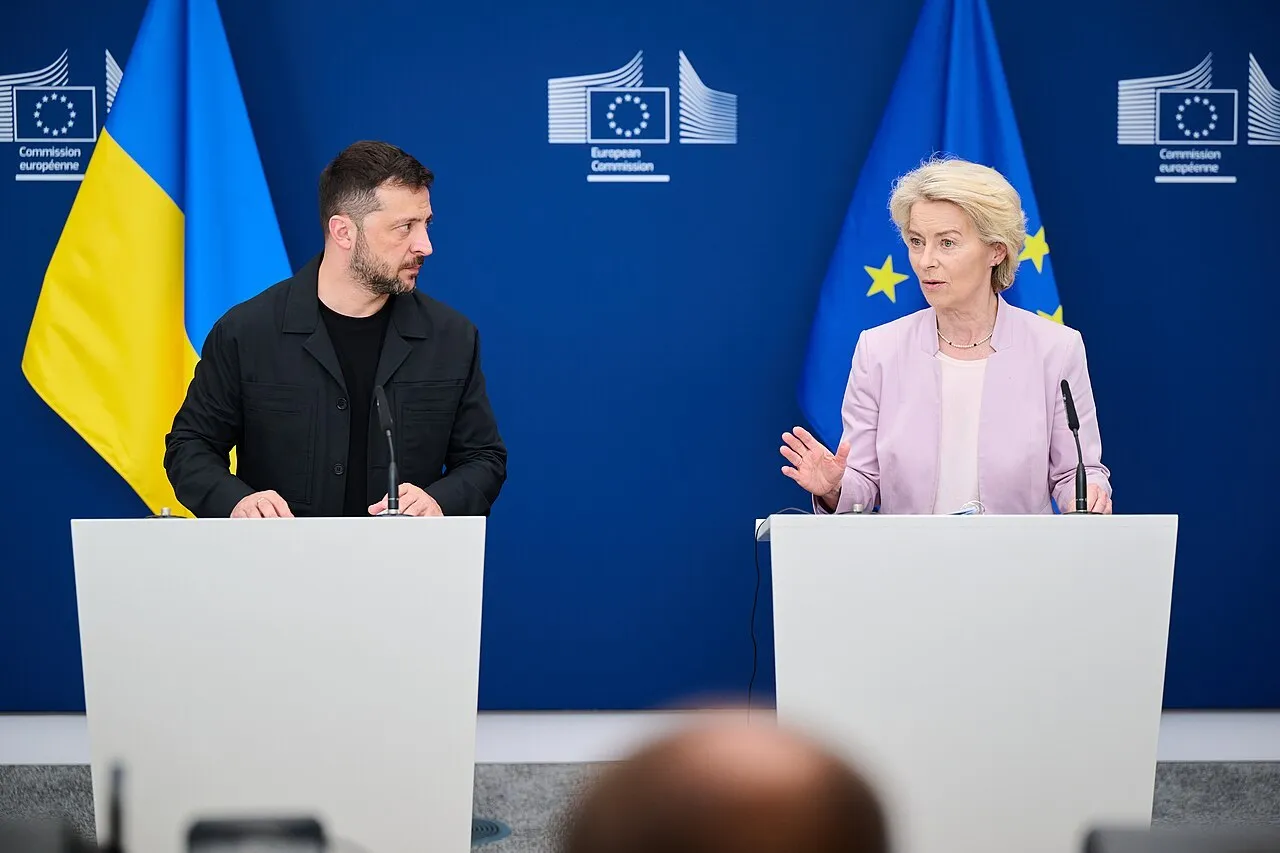
The text followed an informal meeting of the Ukraine Donors' Platform on 29 September and a bilateral meeting between Ursula von der Leyen, President of the European Commission, and Ukraine's president, Volodymyr Zelensky, on 22 September, during the United Nations General Assembly in New York. "Following our productive meeting in New York, our teams have made good progress today," von der Leyen said. Ukraine's finance minister, Serhiy Marchenko, took part in the talks.
One point remains open. Reports that Brussels had refused to speed up loan disbursements were disputed by an EU official, who said: "We have not closed any door." The debate over using frozen Russian assets to fund Ukraine does not appear in the joint statement.
With information from Eunews, Global Banking & Finance, Censor.net and Ukrainska Pravda.