Europe's benchmark gas price has broken through €100 per megawatt-hour (MWh) for the first time since December 2022. The front-month Dutch TTF contract — the European market's standard — was trading at €100.37 at 4pm on Wednesday, 28 October, up more than 4% on the day.
The threshold matters mostly as a psychological marker, and analysts expect it to act as a ceiling. "It's clearly a psychological resistance level", said Tom Marzec-Manser of the consultancy Wood Mackenzie, judging that the level may cap further gains — although Middle East geopolitics and the US midterm elections on 3 November could push prices higher.
More than triple in eight months
The comparison that measures the shock is not with 2022 but with February of this year. Before the war between the United States, Israel and Iran began, TTF was trading at around €30 to €32 per MWh. The price has more than tripled since.
The all-time high, about €340 per MWh, was recorded in August 2022, at the peak of the crisis opened by Russia's invasion of Ukraine. The current level is far below that, but it is the highest in almost four years.
The immediate cause is supply. Cargoes of liquefied natural gas (LNG) from Qatar, one of the world's largest suppliers, have all but stopped reaching the European Union since the closure of the Strait of Hormuz. Added to that are low stocks going into the European summer and competition with Asia for the LNG cargoes available for winter.
Storage at 75%, below target
European storage enters the winter at a disadvantage. According to the EU Agency for the Cooperation of Energy Regulators (ACER), member states' stocks stood at 75% of capacity on 21 October. The bloc's target is 90% by 1 November — a goal countries have been allowed to apply more flexibly.
Last winter ended with reservoirs at 28%, against an average of around 40% over the preceding nine years. ACER calculates that the war has raised Europe's gas import bill by somewhere between €18 billion and €33 billion.
One factor cushions the rise: European gas consumption is about 20% below its pre-2022 level, the combined result of efficiency, renewables and deindustrialisation.
"Another energy crisis"
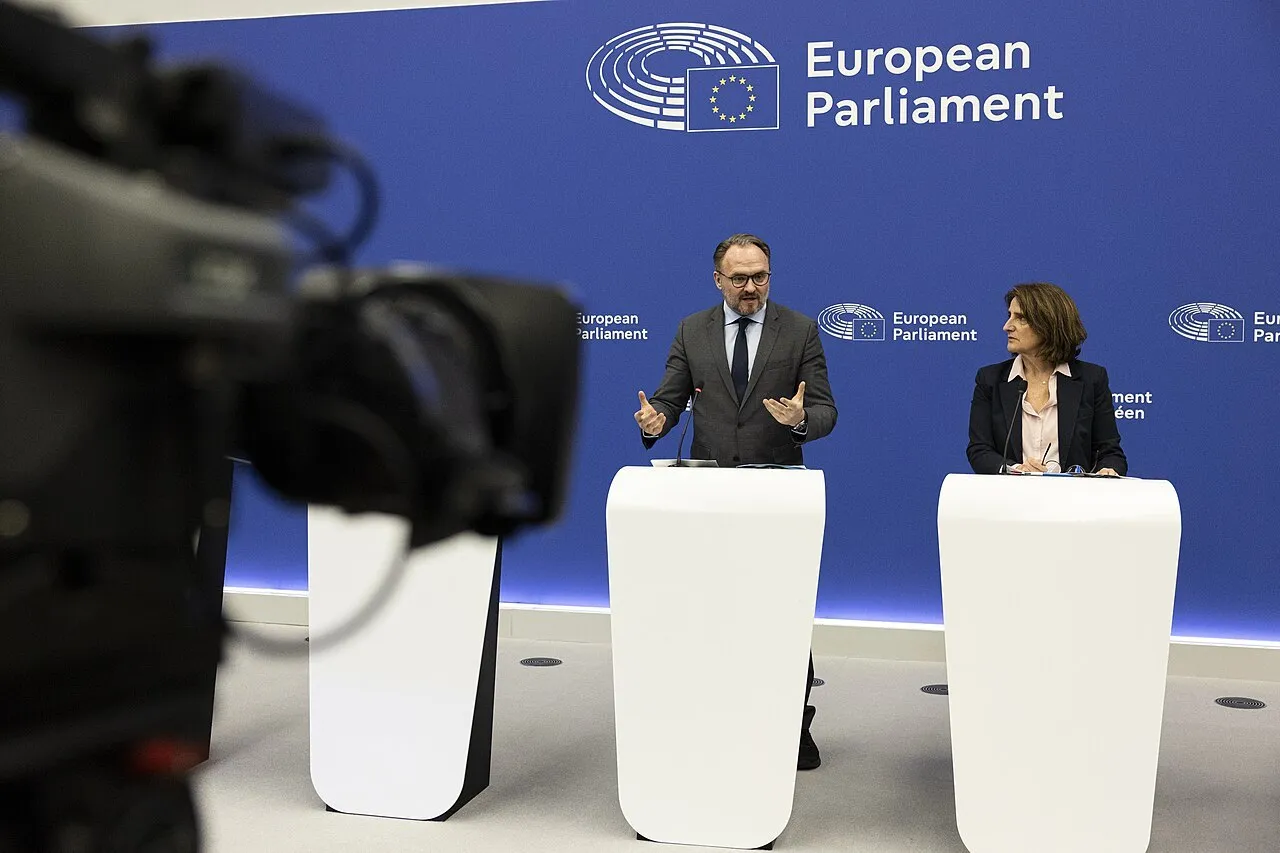
European Commissioner for Energy and Housing Dan Jørgensen said Europe is living through "another energy crisis" and warned that the winter will be difficult, with fuel bills "skyrocketing". The European Commission expects the global diesel market to stay tight into 2027 and wants to expand output at the bloc's refineries — about a quarter of Europe's refineries have closed over the past two decades.
This week's agenda is about the response. EU energy ministers meet on Thursday, and the bloc is negotiating a long-term LNG deal with Canada at a summit set for Thursday and Friday in Montreal. At the same time, the full ban on Russian gas imports, due in January, is adding to price volatility.
Analysts expect European gas to stay expensive for at least a year, whatever happens in the war with Iran or however harsh the winter turns out to be.
With information from Yahoo Finance, Seoul Economic Daily and ACER.