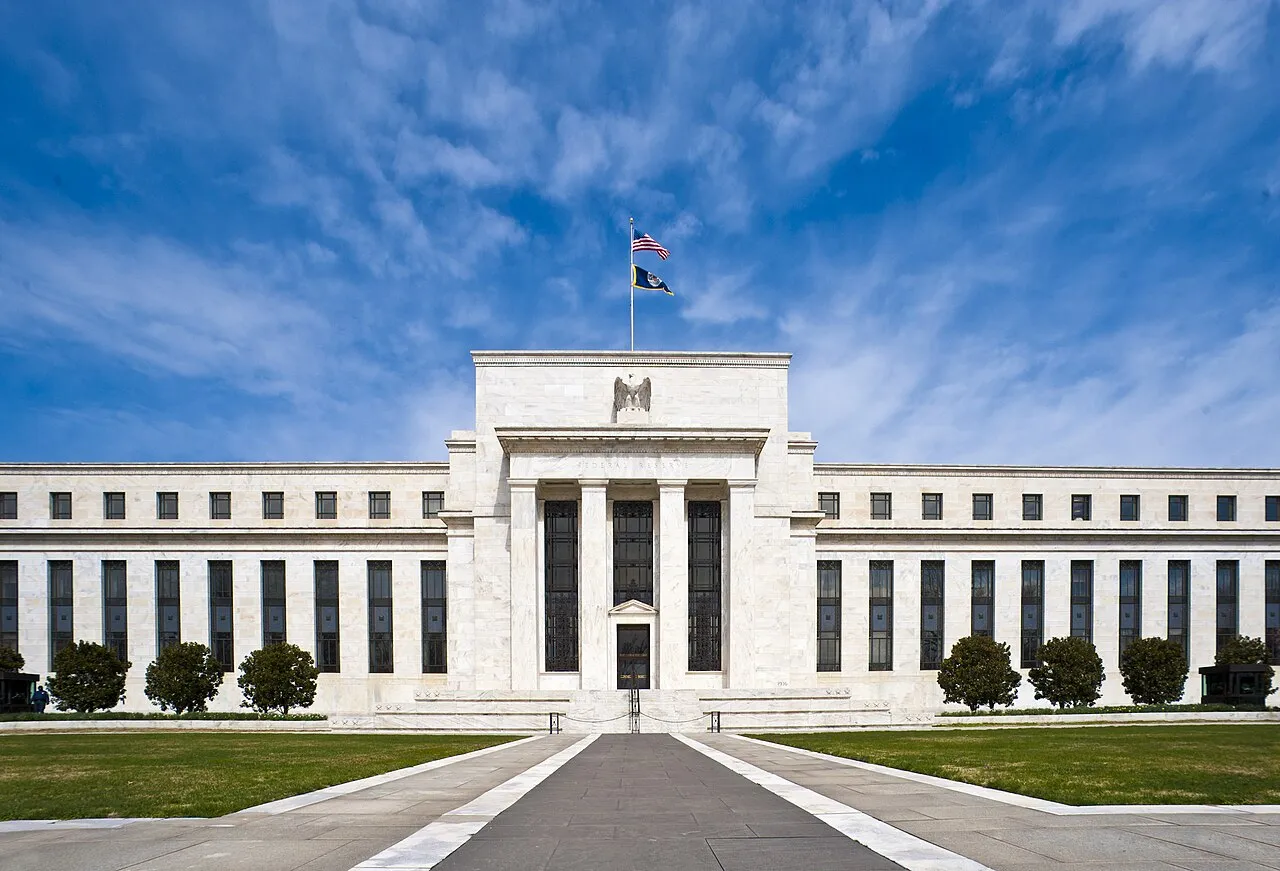
The Federal Reserve left its benchmark interest rate alone on Wednesday, October 28, 2026, holding the target range for the federal funds rate at 3.75 to 4 percent. The decision itself was what economists expected. The split behind it was not.
Two members of the Federal Open Market Committee broke with the majority, and both broke in the same direction: Governor Lisa D. Cook and Cleveland Fed President Beth M. Hammack each voted to raise the target range by a quarter of a percentage point at this meeting. The final tally was 10 to 2, after a unanimous 12-0 decision in September.
Dissents in favor of tighter policy are the uncommon kind. For most of the past two decades, officials who broke ranks at the Fed did so to argue for cheaper money, not more expensive money.
A statement that reads stronger than the last one
The committee's own language moved in the hawks' direction even as the rate did not. The description of growth was upgraded from "solid" to "strong": the statement now says economic activity "is expanding at a strong pace," citing resilient domestic spending, strong productivity growth and robust capital investment.
On jobs, the committee said "job gains have kept pace with the workforce" and that the unemployment rate "has changed little."
Two edits matter more than they look. The verb describing the committee's own action changed from "raise" to "maintain." And the passage that used to say policy was supporting a return to 2 percent inflation was replaced with a line about how "the accumulation of more information will help" — the wording of a committee that is waiting rather than steering.
It has reason to wait. Consumer prices rose 3.7 percent in the twelve months through September, and 0.6 percent in the month alone. The core index, which strips out food and energy, was up 2.6 percent on the year and 0.3 percent on the month. Both readings came in hotter than forecasters expected, and the headline figure is most of a percentage point above the Fed's 2 percent target.
Six days before the election
The meeting ended less than a week before the November 3 midterm elections, and the proximity was read by analysts as an argument against any bold move in either direction. Chair Kevin Warsh was asked about it directly at the press conference and rejected the premise.
"Politics played no role in the decision," he said, adding: "I just spent two days with my colleagues upstairs. I didn't hear an utterance about politics."
Pressed on criticism from President Donald Trump, Warsh declined to engage. "I appreciate the question, but I'm not going to be responding to quotes from public officials," he said. He also said he remains determined to bring inflation back to 2 percent.
December is where the argument goes
The dissents point at the next meeting rather than at this one. Futures tracked by the CME FedWatch tool put the probability of a quarter-point increase on December 9 at 84 percent, and the committee's own September projections already pointed to a second increase before the end of 2026.
That makes the October hold less a verdict than a pause with a date on it. The Fed's final meeting of the year runs December 8 and 9 — a month after the election, and with two more inflation reports in hand.
Reporting from the Federal Reserve and Yahoo Finance.