The U.S. Food and Drug Administration has approved the first immunotherapy for locally advanced rectal cancer, a treatment that in its main trial let most patients skip the surgery, chemotherapy and radiation that are standard for the disease.
The agency granted accelerated approval on Monday, October 19, to dostarlimab, sold by GSK as Jemperli, for adults with previously untreated stage II or III rectal cancer whose tumors are mismatch repair deficient (dMMR) or microsatellite instability-high (MSI-H). That status has to be confirmed with an FDA-authorized test before treatment begins. GSK puts the share of rectal cancers with this profile at about 5% to 10%.
What the trial showed
The decision rests mainly on AZUR-1, a single-arm phase 2 study in which all 154 participants received the drug and there was no comparison group.
- 110 patients (71%) were treated with dostarlimab alone, needed no further therapy and did not see their disease progress.
- 26 (17%) went on to surgery, with or without other treatment; 13 (8%) received additional systemic therapy or radiation.
- 47% of the 116 patients evaluable by independent reviewers reached the study's main goal, a clinical complete response — no detectable tumor — lasting at least 12 months. Another 38 patients had a complete response but less than a year of follow-up. Trial investigators, assessing 144 patients, put the 12-month rate at 68%.
- At a median follow-up of 26.3 months, no patient with a complete or near-complete response had progressed.
Of 15 patients who had surgery after the drug alone because imaging suggested some tumor remained, 12 turned out to have no cancer in the removed tissue.
The approval also drew on an earlier investigator-led study of 50 patients at Memorial Sloan Kettering Cancer Center, in which 93% had a complete response lasting at least a year.
How it is given and what it costs the body
The regimen is a 500 mg intravenous infusion every three weeks, for up to nine cycles over six months. In the trial, serious adverse reactions occurred in 20% of patients, and 3% stopped treatment permanently. The most common side effects were fatigue, rash, diarrhea and itching. Like other drugs of its class, dostarlimab can cause the immune system to attack healthy organs.
Why it is conditional
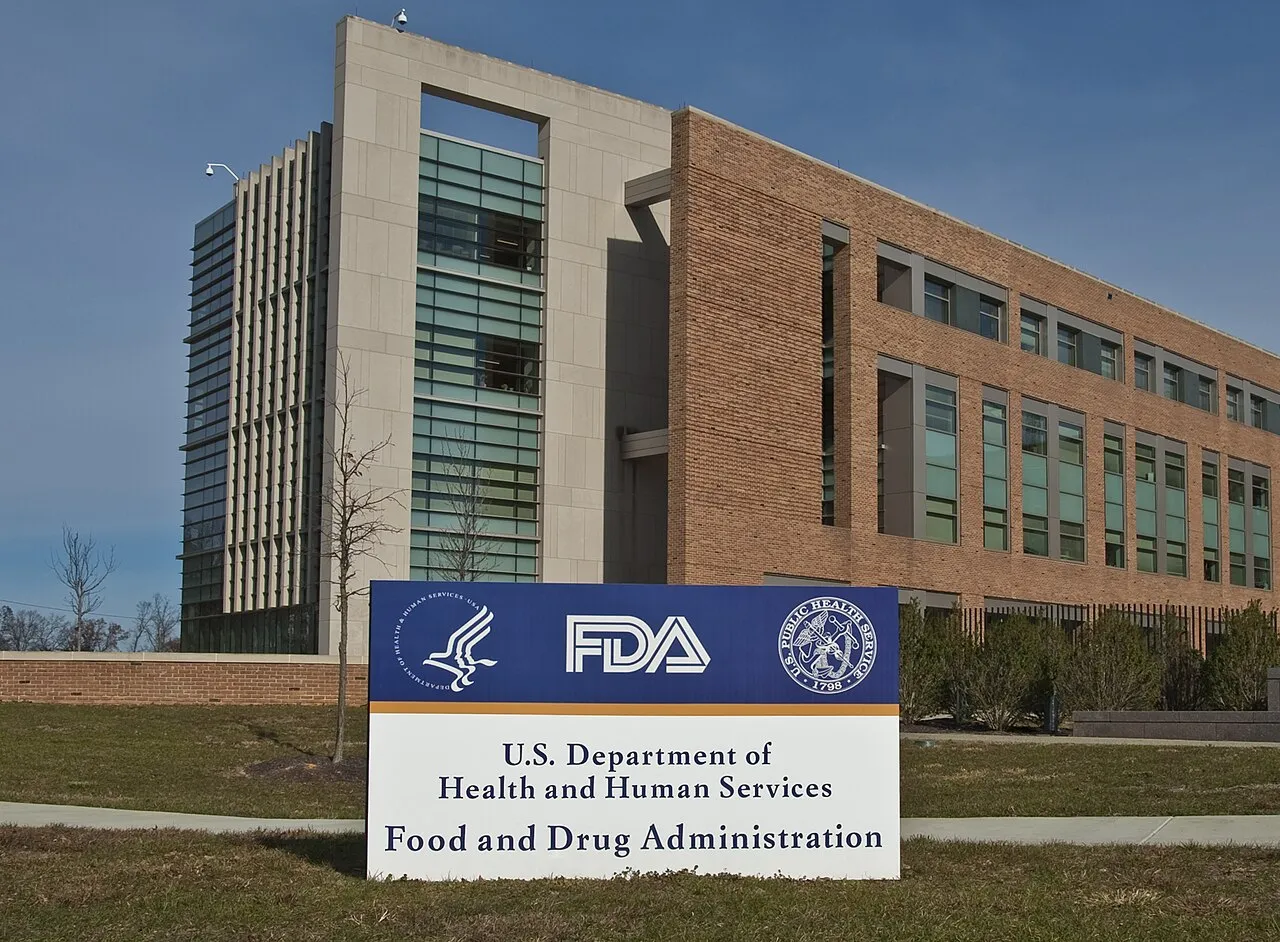
Accelerated approval means continued authorization may depend on confirmatory studies. The FDA finished its review about four months ahead of its February 2027 goal date; it was the eleventh approval under the Commissioner's National Priority Voucher pilot program. Other regulators are reviewing the drug through Project Orbis, the FDA-led program for parallel cancer-drug reviews.
The agency is "acting on emerging evidence to bring new approaches to patients sooner," said Angelo de Claro, director of the FDA's Oncology Center of Excellence, as quoted by Cancer Network.
Reporting from the FDA, GSK, Cancer Network and CURE.