Consumer prices in the United States rose 0.6% in September and 3.7% over the previous twelve months, the Bureau of Labor Statistics reported on Wednesday, October 14. That is an acceleration from the 3.4% annual rate recorded in August, and it arrives two weeks before the Federal Reserve decides what to do with interest rates.
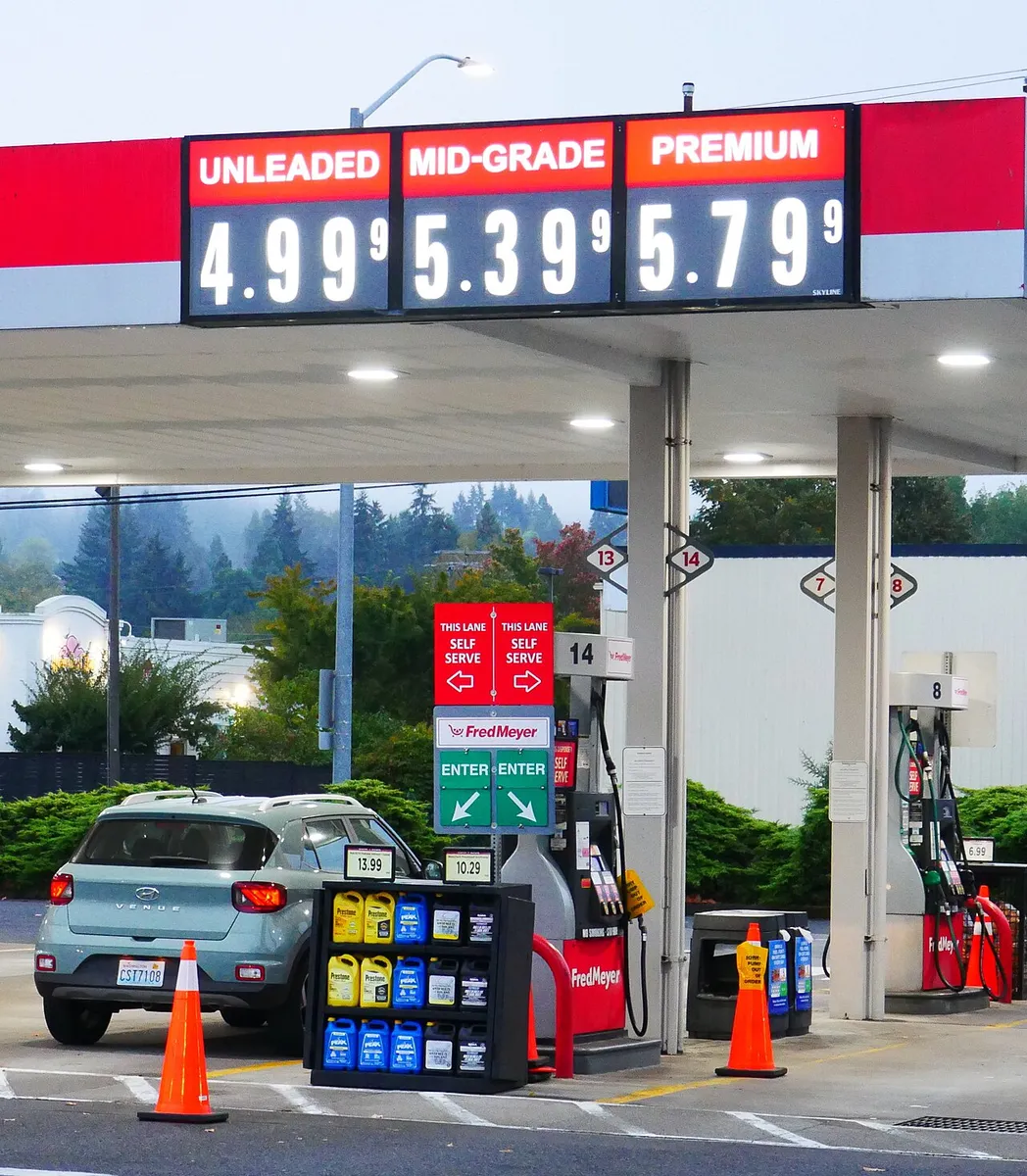
One line in the release explains most of the month: the index for gasoline rose 9.1% on a seasonally adjusted basis, and the statistics bureau says it accounted "for over half of the monthly all items increase." Over twelve months, gasoline is up 34.2%.
Energy carried the headline
The broader energy index rose 5.2% in the month and 20.4% over the year — by far the fastest-moving major category in the report. Nothing else came close.
Food was flat in September, at 0.0% for the month and 2.5% over twelve months. Within it, groceries actually fell slightly, with food at home down 0.1% in the month and up 1.8% on the year, while restaurant prices rose 0.2% in the month and 3.5% on the year. Shelter, the single heaviest component of the index, rose 0.4% in September and 3.2% over the year.
The all-items index, unadjusted, stood at 336.940, on a base where the 1982-84 average equals 100.
Core inflation was the surprise
Headline inflation is the number that gets read aloud, but the figure that moves rate expectations is the one that strips out food and energy — the two categories that swing hardest and reverse fastest. That measure rose 0.3% in September and 2.6% over twelve months, against 2.4% in August.
Both readings came in above expectations. According to Fox Business, economists polled by LSEG had forecast 0.2% for the month and 2.5% for the year, and had expected a headline annual rate of 3.6% rather than 3.7%.
The distinction matters because a gasoline spike can unwind on its own. A core rate that keeps climbing cannot be waited out the same way — and that is the part of this report the Fed cannot attribute to the oil market.
"Proving more persistent than many expected, particularly across services," is how Adam Schickling, a senior economist at Vanguard, described inflation to Fox Business. Tim Urbanowicz, of Goldman Sachs Asset Management, told the same outlet that "today's print puts the Fed's tactical breather priced into the market for October in question."
The October 27-28 meeting
The target range for the federal funds rate currently stands at 3.75% to 4%. The Federal Open Market Committee, chaired by Kevin Warsh, meets next on October 27 and 28, and before Wednesday's release the market had largely written that meeting off as a pause.
That changed within the hour. Reuters reported that futures had priced roughly a 22% chance of an increase in October before the report and about 40% afterward — still short of a coin flip, but close to double where it stood at breakfast.
The committee last met on September 15 and 16, and published the minutes of that meeting on October 7.
The next reading will not settle the question quickly either: the Bureau of Labor Statistics has scheduled the October Consumer Price Index for Tuesday, November 10, at 8:30 a.m. Eastern time — thirteen days after the Fed's decision, and a week after the midterm elections.
Reporting from the Bureau of Labor Statistics, the Federal Reserve, Reuters and Fox Business.