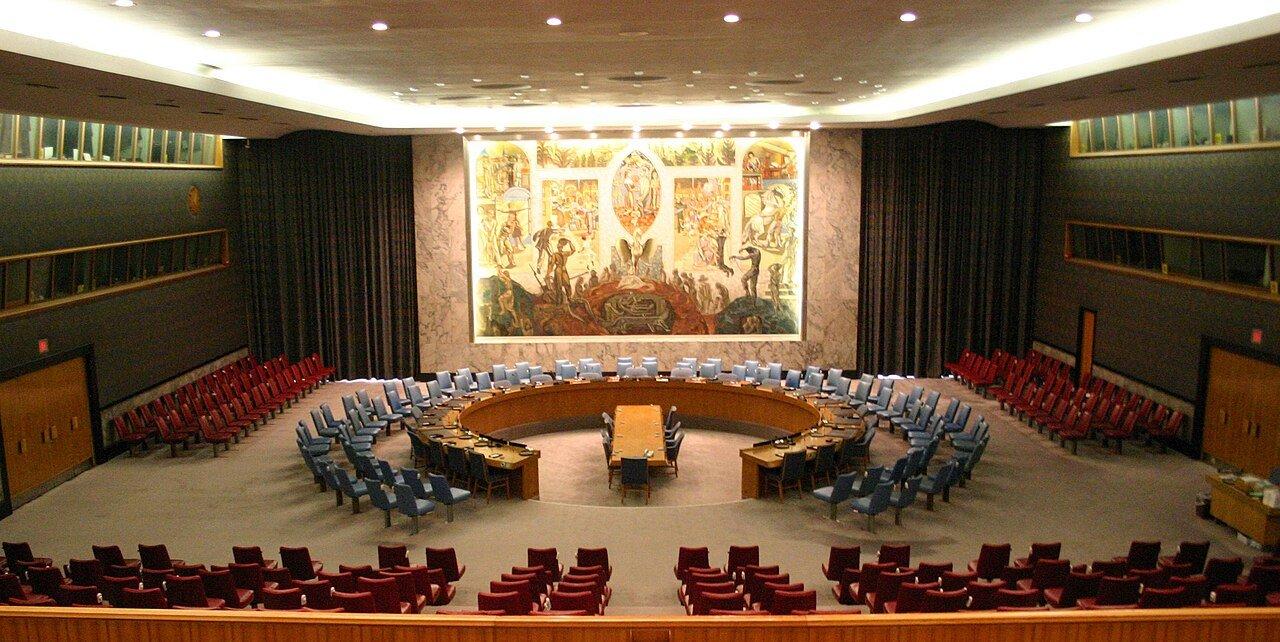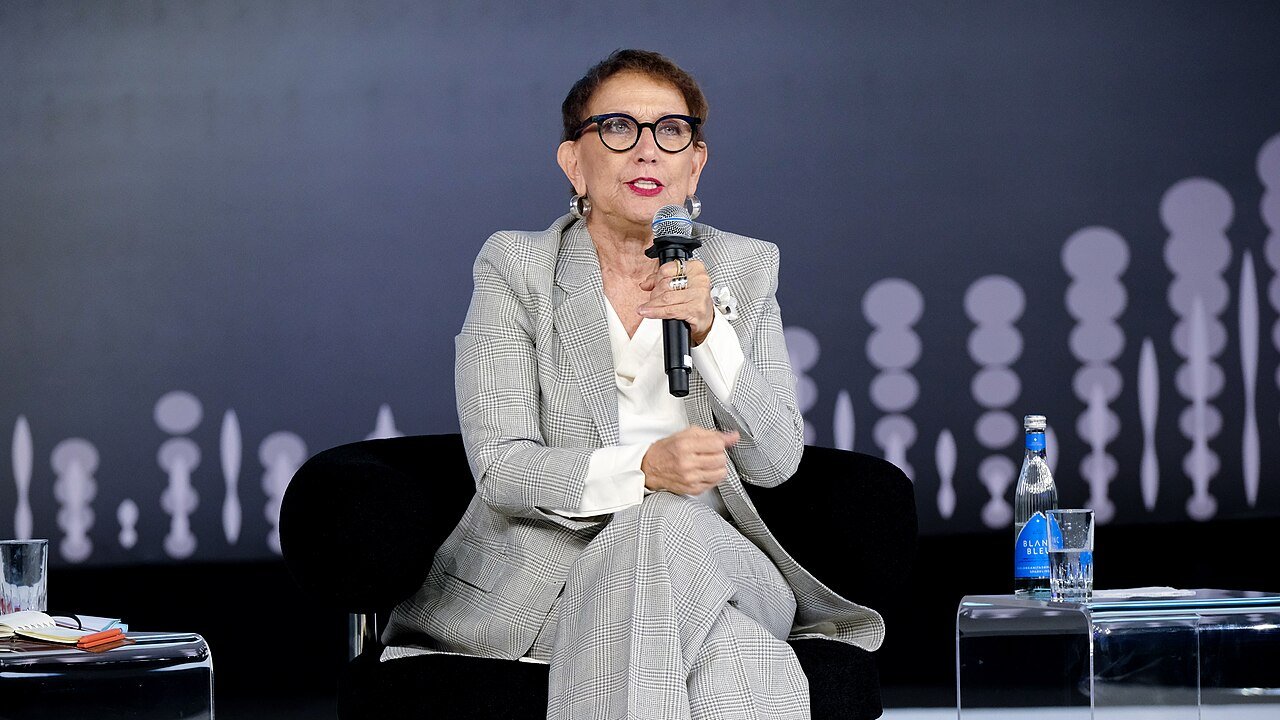
Costa Rica's Rebeca Grynspan came out of the UN Security Council's fourth informal straw poll as the best-placed candidate to succeed António Guterres: she drew 10 encourages, 3 discourages and 2 abstentions in the vote held on Tuesday, 29 September 2026, in the Council's consultations room.
That is a better result than eleven days earlier. In the third poll, on 18 September, she had one encourage fewer and two discourages more — and it is the discourage column that decides a race like this one, because a negative vote from any of the five permanent members ends up working as a veto.
The numbers, and their versions
The polls are informal and the results are never officially released: they reach the press through leaks, which is why the tallies for candidates outside the lead vary depending on who is counting. PassBlue, which follows the process from inside the building, placed Guyana's Carolyn Rodrigues Birkett and Argentina's Rafael Grossi, director general of the International Atomic Energy Agency (IAEA), joint second with 8 encourages each. The news agency EFE credited Grossi with 10 encourages, but also 7 discourages — more than twice Grynspan's total.
Behind them came Uganda's Olara Otunnu and Senegal's Macky Sall, with 5 encourages each, and the two Ecuadorian candidates: María Fernanda Espinosa, a former president of the General Assembly, and Ivonne A-Baki, put forward with Tonga's backing, both with most of the Council against them.
The ballots do not say where each vote came from. That is precisely the limitation the Council has to settle at the next stage.
Seven candidates, five from the region
The field narrowed to seven names after Chile's Michelle Bachelet announced her withdrawal, following a third poll in which she received 1 encourage, 11 discourages and 3 abstentions. On leaving, the former president argued that the moment remains a fitting one to defend multilateralism and human rights.
With Bachelet out, five of the seven candidates are from Latin America and the Caribbean: Costa Rica, Argentina, Guyana and Ecuador, which has two. That reflects the case the region has been making since last year — that it has not held the secretary-generalship since Peru's Javier Pérez de Cuéllar left the post in 1991 — and also the reason that advantage may dissolve: the regional vote is split.
What comes next
The next step is the colour-coded ballot: a poll in which the five permanent members — China, France, Russia, the United Kingdom and the United States — vote on paper of a different colour from the ten elected members. It is the mechanism that reveals who is blocking whom, and in previous cycles it was used in early October. The Council has not yet decided when to take that step; according to PassBlue, the permanent members would rather bring it forward and the elected members have an interest in delaying it, because it is the leverage they have left.
To be recommended to the General Assembly, a candidate needs 9 of the Council's 15 votes and no veto. Guterres's term ends on 31 December 2026, and whoever succeeds him takes office on 1 January 2027, leaving the Council only a few weeks. Greece holds the body's rotating presidency in October.
With information from PassBlue, Security Council Report, the EFE news agency and The Tico Times.