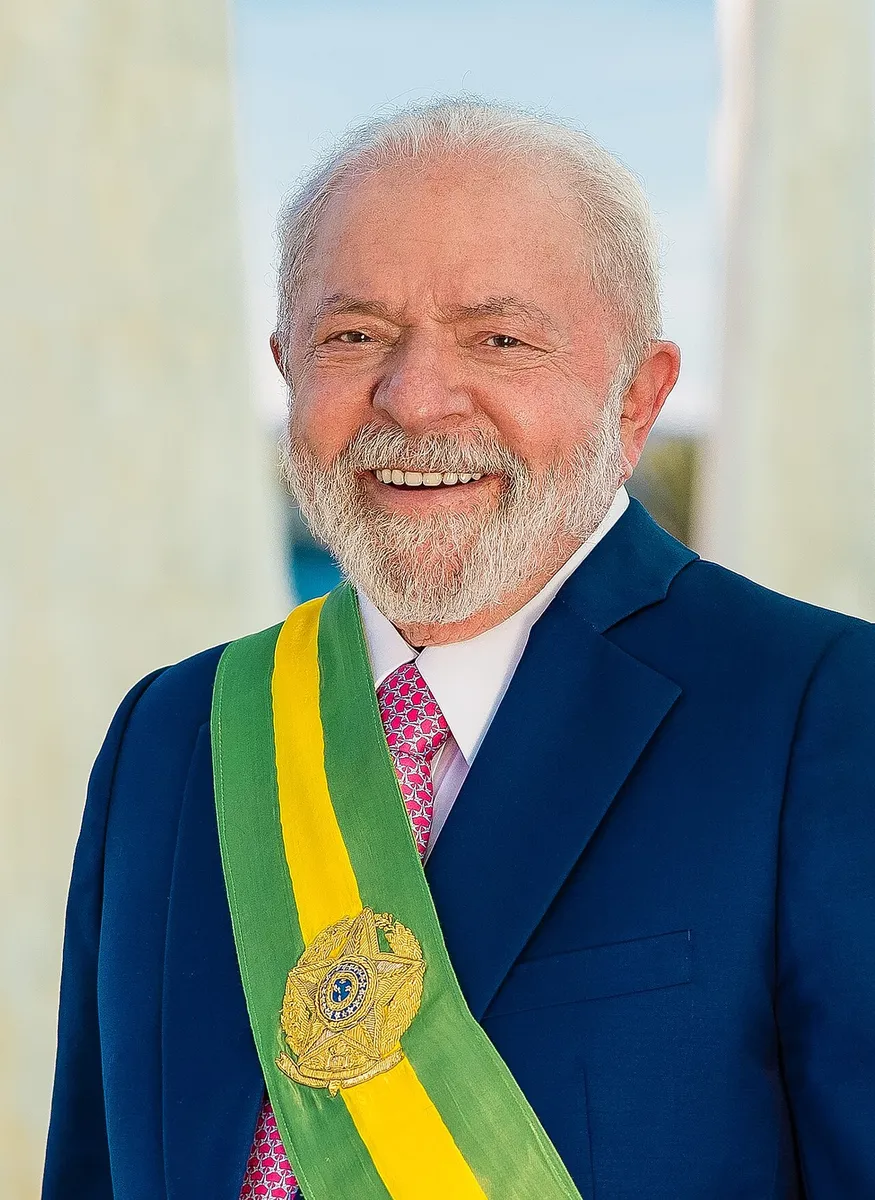
Brazilian President Luiz Inácio Lula da Silva used his allotted minutes at the opening of the COP31 leaders' summit on Wednesday, in Antalya, Turkey, to ask for money — and to say who should be paying it.
"A crise climática é, também, uma crise de injustiças" ("The climate crisis is also a crisis of injustice"), he said. In the account he put to heads of state and government, developed economies industrialised by burning fossil fuels and accumulated most of the emissions now heating the planet, so the larger share of the bill is theirs. It is the principle of common but differentiated responsibilities, which Brazil has repeated in climate talks since the 1990s.
The figure the president brought to Antalya is US$1.3 trillion a year in climate finance by 2035, covering emission cuts, adaptation and disaster response, with priority for the poorest countries.
What the number is
The amount is not money in hand. It comes from the finance roadmap drawn up by the presidencies of the Baku and Belém conferences, and a document from the COP30 presidency projects that reforms to the international financial system could mobilise between US$1.27 trillion and US$1.41 trillion a year — provided the proposed measures are actually adopted. None of it has been committed by any government.
The distinction matters because that is precisely where the negotiation is stuck. At Belém last year, the definition of long-term finance was pushed to this conference.
Deforestation and emissions
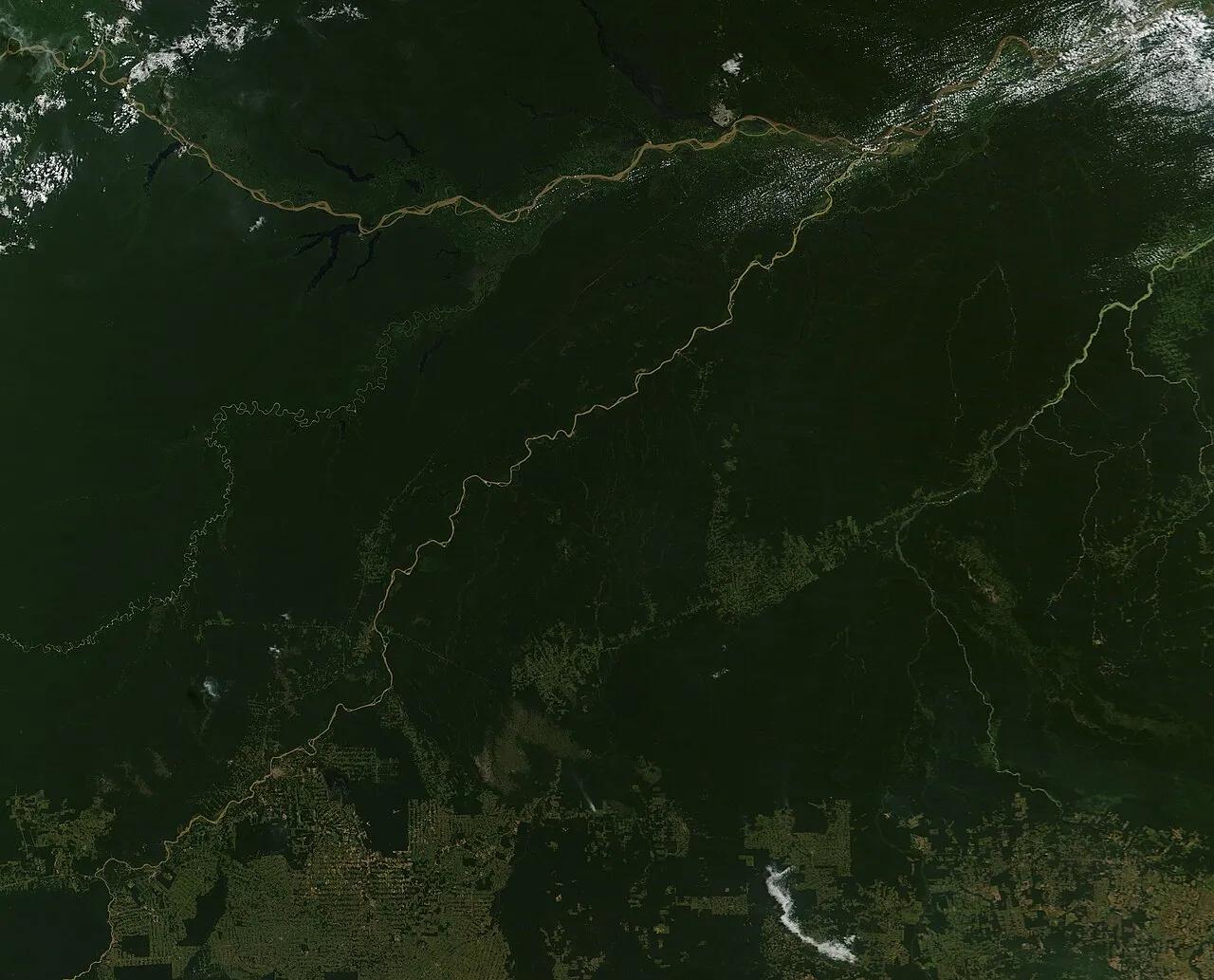
Lula presented Brazil's numbers as a credential. He cited a 71% drop in Amazon deforestation between 2022 and 2026, based on monitoring by the Inpe (National Institute for Space Research), and said the country has cut its greenhouse gas emissions by 42% since 2005, besides avoiding 560 million tonnes of carbon between 2022 and 2024.
The deforestation data deserves a note. For the cycle from August 2025 to July 2026, the Inpe estimates roughly 3,335 km² cleared, against 5,731 km² in the previous cycle — an annual fall of 41.8%. The 2026 figure is still an estimate and has not been consolidated by the institute. The emissions percentages the president cited also depend on methodological verification.
He again promoted the Tropical Forests Forever Facility, the tropical forest fund launched at Belém, which he said already has backing from dozens of countries and is close to meeting the conditions to start operating. He invited new partners in.
The request to Turkey and Australia
COP31 has an unusual arrangement: Turkey hosts the conference, in Antalya, and Australia leads the negotiations. Lula asked both presidencies to carry forward the roadmaps approved at Belém on three fronts — expanding climate finance, overcoming dependence on fossil fuels, and halting deforestation and forest degradation.
It is worth recording what those roadmaps are and are not: voluntary guidance instruments, not binding agreements approved by consensus. In Brazil's case, the national roadmap for reducing fossil fuels carries a 270-day deadline, extendable by another 90, counted from the appointment of the group responsible — an appointment not yet made, which could stretch the process to 360 days.
"Geopolitical disputes are diverting attention"
The other half of the speech was a complaint about the international agenda. Lula said "as disputas geopolíticas e os conflitos armados estão desviando a atenção internacional da crise climática" ("geopolitical disputes and armed conflicts are diverting international attention from the climate crisis"), and that the political momentum out of Belém had lost force along the way.
The composition of the room gave his argument some support. The leaders of the United States, China and India did not go to Antalya. European Commission President Ursula von der Leyen did attend, but most European heads of government did not — Chiara Martinelli, of Climate Action Network Europe, reckoned that more than half of the European Union's top leaders skipped the summit.
United Nations Secretary-General António Guterres opened proceedings with four priorities: ending dependence on fossil fuels, adapting to a hotter world, expanding financial support from rich countries to vulnerable ones, and favouring cooperation over conflict. "We know the truth. Now we must act on it," he said. Turkish President Recep Tayyip Erdogan devoted most of his speech to Gaza, which he called both genocide and ecocide.
What is being negotiated until 20 November
The leaders' summit occupied 11 and 12 November; the conference runs until the 20th. At the centre of the technical table is the proposal to triple the resources earmarked for adaptation — the works and policies that reduce the damage from droughts, floods, fires and sea-level rise. Lula tied vulnerability to those events to inequality in income, infrastructure and disaster-response capacity: the same extreme event does not cost everyone the same.
The formal target remains limiting warming to 1.5 °C above pre-industrial levels, as the Paris Agreement provides. Scientists are working on the assumption that the limit will be exceeded.
With information from Istoé, Jornal Grande Bahia, Diário do Grande ABC and Piranot.