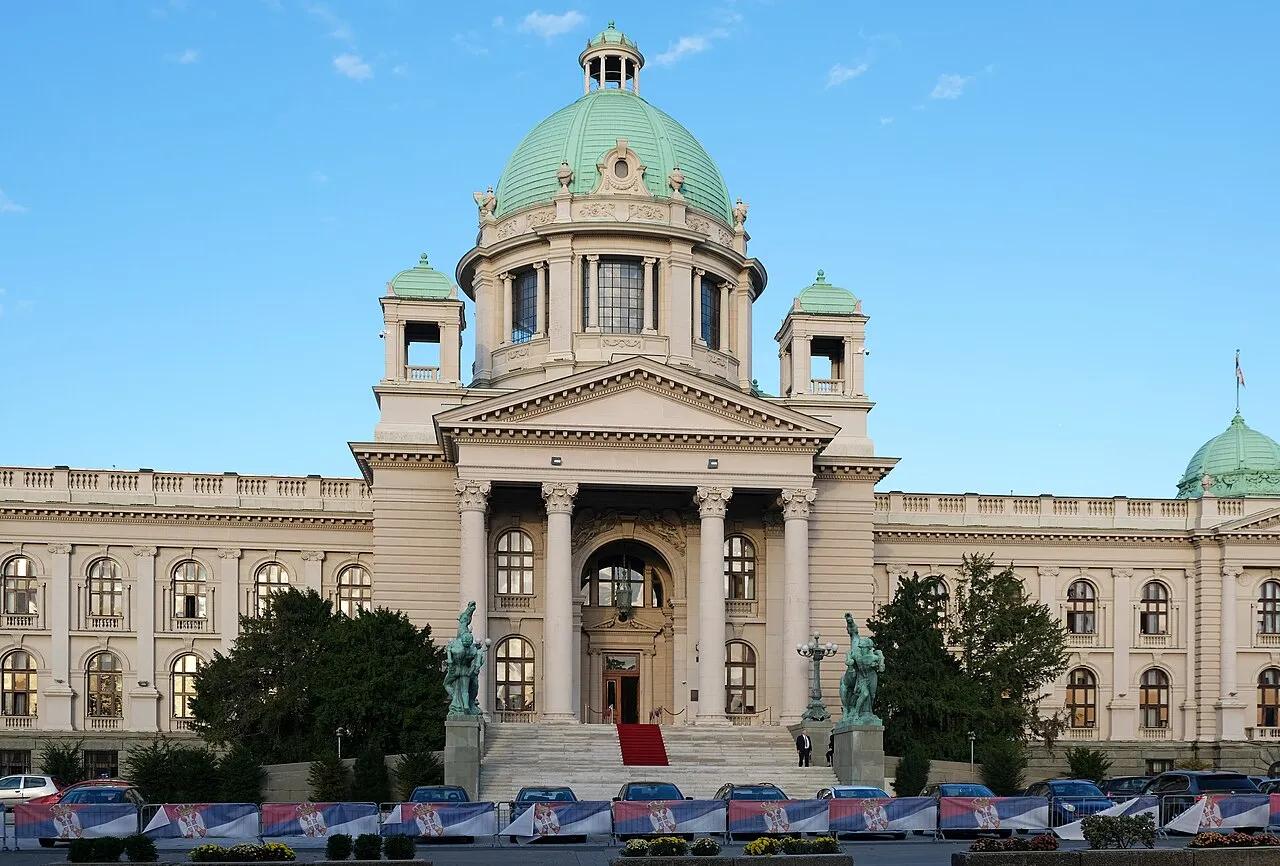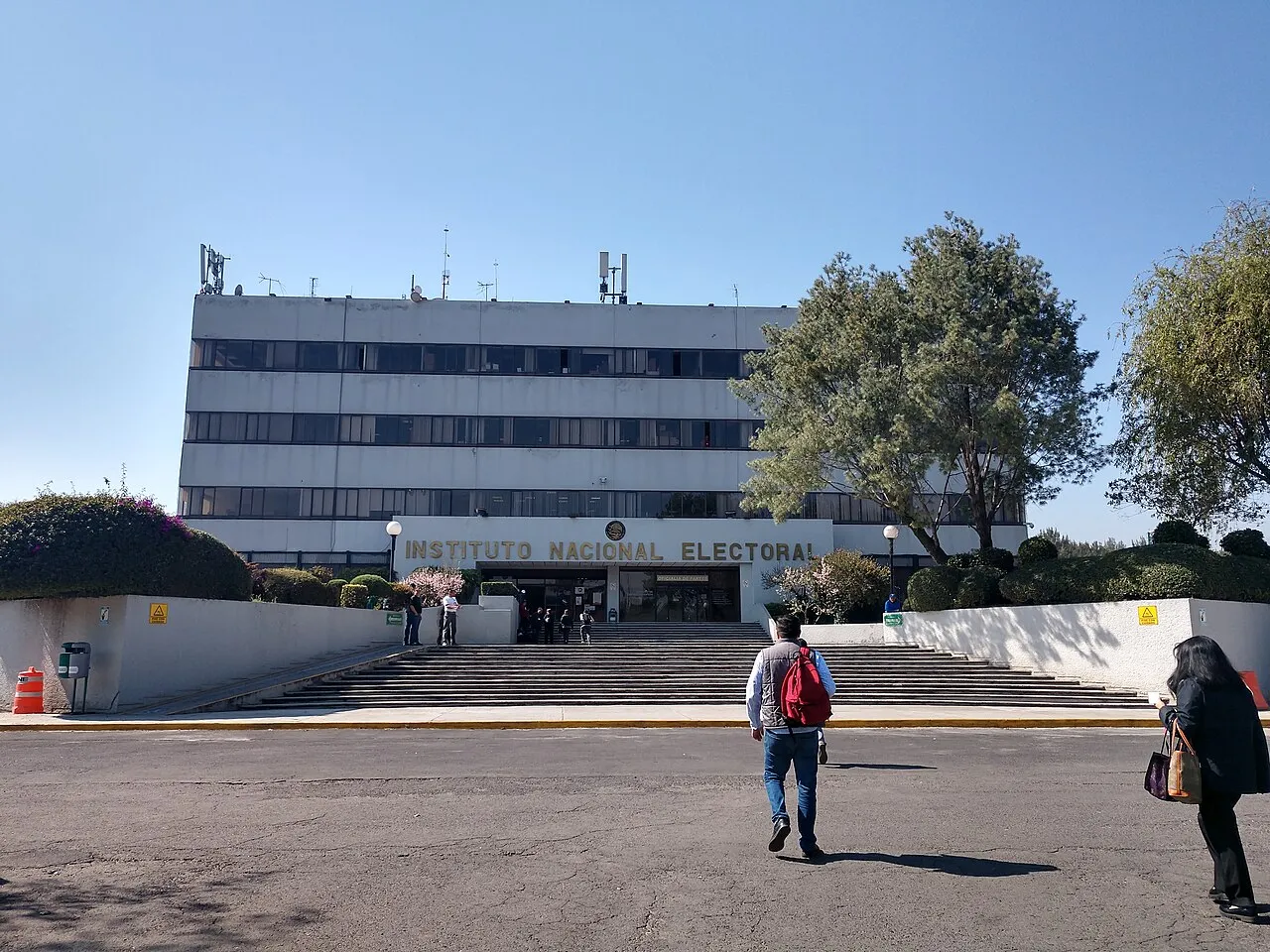
Guadalupe Taddei Zavala filed her resignation as president of the Instituto Nacional Electoral (INE, Mexico's national electoral authority) with the Chamber of Deputies on the afternoon of Monday, 26 October 2026. Under Article 41 of the Mexican constitution, that chamber is the only body that can appoint whoever heads the institute. She had announced the decision on Sunday the 25th.
Ricardo Monreal, Morena's floor leader in the chamber and president of the Junta de Coordinación Política (Jucopo, the body of party leaders), published the letter and said the selection process begins from that moment "in accordance with the Constitution and the law", with "institutional responsibility".
What the letter says
In the text, Taddei says she leaves the post with "serenity" and "the satisfaction of a duty fulfilled", and that "the Institute and its constitutional responsibilities must prevail over any personal interest". On Sunday she had said the decision came after "profound reflection" and that it exempts no one from clarifying the accusations "with transparency, rigour and due process".
The INE itself published the resignation statement on Sunday the 25th, took it down shortly afterwards and later reposted it, without explaining the removal.
The audit office inquiry
On 23 October the Auditoría Superior de la Federación (ASF, Mexico's federal audit office) opened an investigation of its own motion into the INE's use of public funds in contracts for election materials: security paper, invisible inks and watermarks, among other supplies. The ASF is examining links between former institute officials and suppliers, as well as possible conflicts of interest, collusion and the triangulation of funds. It has not specified which procurement procedures it is reviewing, nor named those involved.
President Claudia Sheinbaum had asked on 20 October for an ASF review to determine whether the institute used public money improperly. The INE's Órgano Interno de Control (internal oversight body) received the case files and must establish whether former officials omitted or falsified information.
Taddei rejected the allegations. On 23 October she told IMER Noticias that the reports against her had "a strictly political objective", and she denied an account about a supposed driver: "He was never my driver."
Her tenure was already under internal fire. Fellow councillors faulted her for a lack of collegiality in decision-making, and the Secretaría Ejecutiva (executive secretariat) saw five appointments after she took office, each meeting resistance.
Who presides in the meantime
Mexican electoral law provides that, in the absence of the presiding councillor, the Consejo General (the institute's governing council) itself names one of its members on a provisional basis, as Expansión Política noted. The permanent appointment rests with the Chamber of Deputies, which has not set a date.
The handover lands at the worst point in the calendar. Taddei had led the INE since April 2023 and ran the 2024 presidential election and the 2025 judicial election; her departure leaves the institute with an interim president just as preparations begin for the 2026-2027 federal electoral process, which will renew the Chamber of Deputies. The INE must keep operating while authorities determine whether administrative violations or crimes occurred.
With information from Expansión Política and Infobae México.