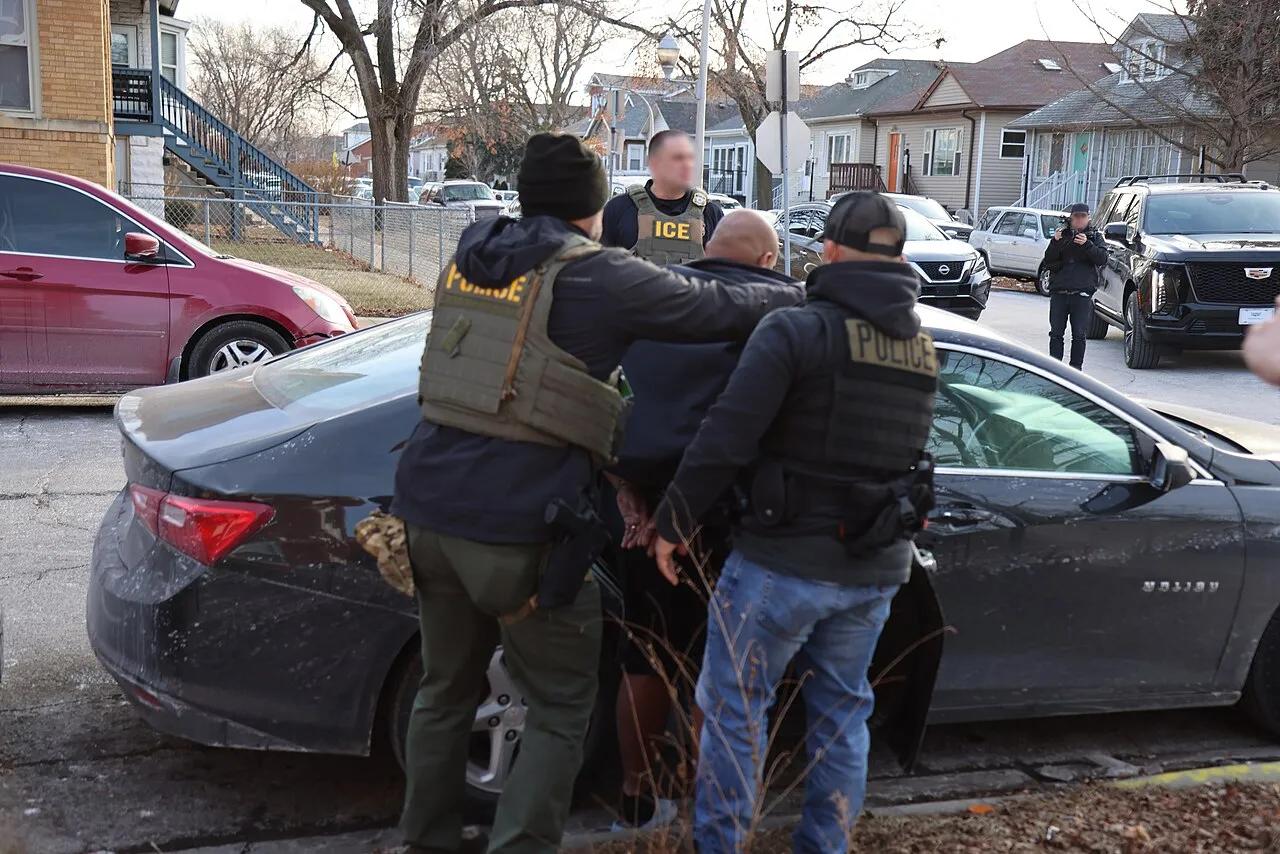
New York City is dismantling the police unit that for years answered both terrorism alerts and street demonstrations. Mayor Zohran Mamdani and Police Commissioner Jessica Tisch announced on Monday that the New York Police Department's Strategic Response Group (SRG) will be disbanded, with its responsibilities split among three new structures and its counterterrorism work absorbed by an existing bureau.
The stated principle behind the change is that the two jobs should never have sat in the same unit. A protest, Mamdani said, "should not be met with the same police response as a terrorism threat." Disbanding the SRG was one of his campaign promises; "today we are delivering on that promise," he said, adding that the announcement was "about more than disbanding the SRG."
What replaces it
Three bodies take over the SRG's crowd work, each with a different level of force attached.
The Community Dialogue and De-escalation Division (CDDD) sits inside the Mayor's Office of Community Safety and is civilian-led. It carries no weapons and has no arrest powers, and is meant to work with communities and organizers before and during demonstrations. City Hall says it is still being built.
The First Amendment Support Team (FAST) is 30 uniformed officers inside the Community Affairs Bureau, trained in communication and de-escalation. It handles dialogue on the street while the CDDD is stood up, and the two are to coordinate at protests.
The Patrol Support Division (PSD) sits in the Patrol Services Bureau and keeps arrest powers. Its officers are vetted against strict eligibility rules, spend most of their time on ordinary patrol duties, and receive crowd-management training; the city says protest arrests by the division are expected to be rare.
The SRG's counterterrorism functions, including heavy-weapons deployments at critical infrastructure, move to the NYPD's Intelligence and Counterterrorism Bureau. Tisch described that half of the plan as "designed to consolidate our counterterrorism capabilities."
Tactics written out of the rulebook
The overhaul also sets written limits on how officers may handle demonstrations. Kettling, the practice of encircling a crowd to prevent it from dispersing, is formally banned. Long guns and tear gas are prohibited during First Amendment activity, and pepper spray may no longer be used as a general crowd-management tool. Long-range acoustic devices are capped at 90 decibels. Bicycles may not be used as weapons except to prevent death or serious physical injury.
Those rules build on the reforms agreed in the Payne protest settlement, and the city says the package largely reflects the CURB Act put forward by Council Member Chi Osse.
Planning began in January 2026, and the changes take effect in January. According to the city, they carry no additional cost, involve no hiring or layoffs, and leave NYPD headcount unchanged.
The objections
Tisch, who was kept on from the previous administration and has not always agreed with the mayor, defended the plan on the department's own terms. "I would never support changes that diminish the NYPD's ability to protect New Yorkers," she said, arguing the restructuring leaves the department stronger.
The Police Benevolent Association rejected that reading. Its president, Patrick Hendry, said the mayor is trading safety for politics, and warned against "forcing cops to sit on the sidelines until a demonstration has already turned violent." Council Member Phil Wong called the SRG an important public safety resource and said the city should keep it, create a separate unit for street takeovers, and hire more officers, arguing that the plan reshuffles existing personnel without adding any.
That last objection is the one the numbers cannot settle either way. With headcount fixed, the question is not how many officers New York sends to a protest but which rules they arrive under, and the answer will not be visible until the first large demonstration after January.
Reporting from the New York City Mayor's Office, CBS New York and Fox 5 New York.