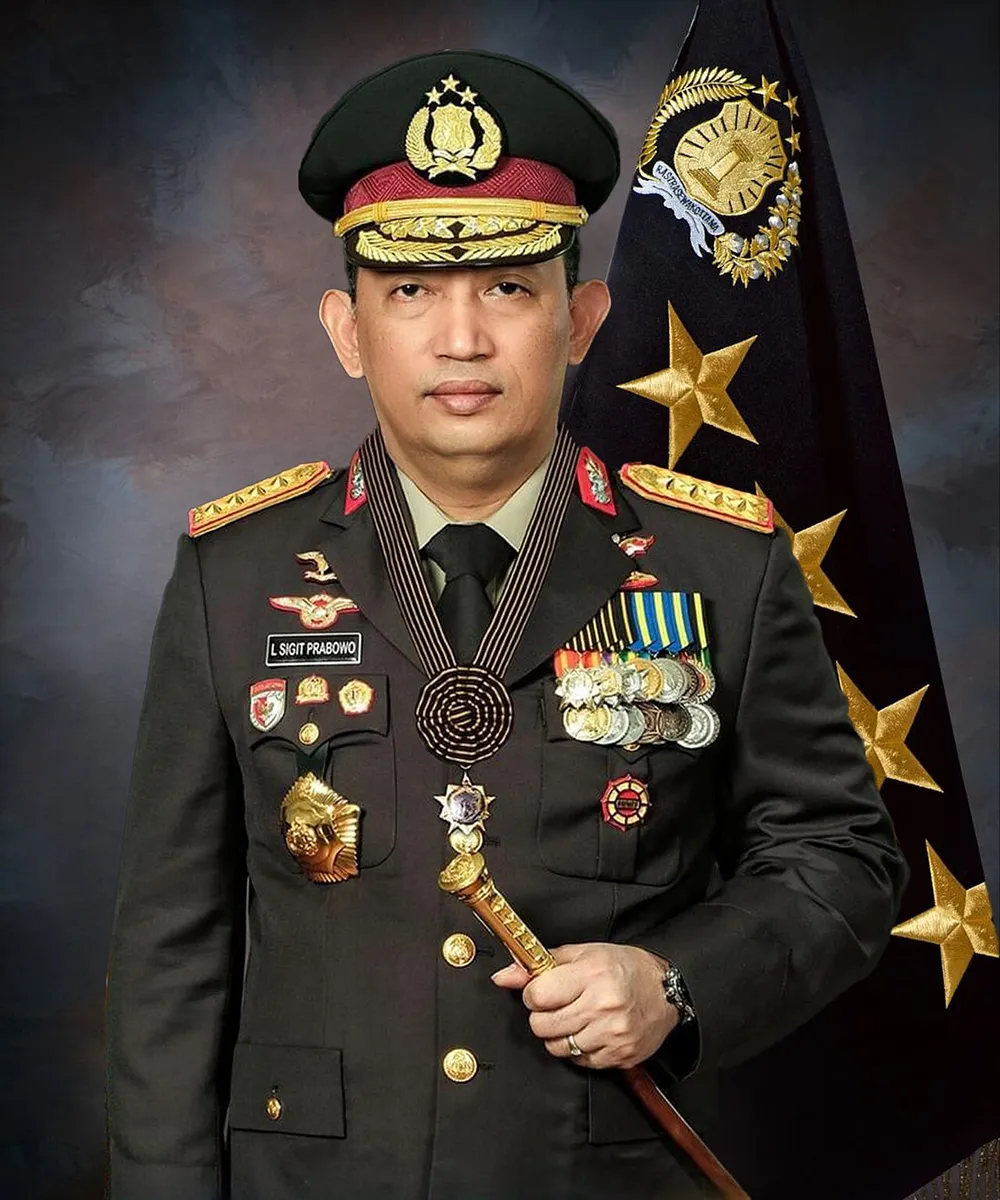
Indonesian President Prabowo Subianto signed a decree on Wednesday dismissing his presidential chief of staff, Gen. Listyo Sigit Prabowo — a day after the Kepolisian Negara Republik Indonesia (Indonesian National Police) announced he had been named a suspect in a case of illegal wiretapping that allegedly reached the president himself.
The announcement was made by Minister of State Secretary Prasetyo Hadi at the Presidential Palace in Jakarta. "The president has made a decision and signed a Presidential Decree", he said. Prasetyo set out the reason plainly: "one of the suspects in the case serves as the Presidential Chief of Staff". Lt. Gen. Ariyo Windutomo, who heads the Presidential Secretariat, was named acting chief of staff.
What police are investigating
The force maintains the interceptions took place between 2025 and 2026, while Listyo was in command of the national police — a post he held for five years before taking over the presidential office last month. According to investigators, the wiretaps were ordered without the required legal procedure.
The reported targets go well beyond the president: cabinet officials, politicians, journalists, civil society leaders and company executives. In late October, again according to police, the suspects ordered the deletion of files containing the intercepted communications in order to conceal the evidence.
The head of the Criminal Investigation Agency, Asep Safrudin, said the operation was carried out "without any legal basis or without any investigative or inquiry process in accordance with applicable laws". Senior Minister for Legal Affairs Yusril Ihza Mahendra said the motive has not yet been determined.
Besides Listyo, the suspects named are Ahrie Sonta Nasution, who heads the national police's legal division, and Eko Hadi Santoso. All three were detained on Sunday, and police only announced the detentions late on Tuesday. The offences under investigation include illegal interception of communications, unauthorised access to electronic systems and deletion of electronic data — some of them carrying up to ten years in prison. None of the three has commented publicly.
Palace speaks of treason
Presidential spokesperson Prasetyo Hadi attributed the acts to "certain rogue individuals" and went further in characterising them: what was done "may already fall into a category that can be considered an act tending towards treason". He added that the conduct also tends to endanger state interests and "the safety of the head of state".
The institutional weight of that phrase is worth registering: treason, in Indonesian legal vocabulary, is an accusation of a different order from abuse of authority — and it comes from the palace, not from the investigators, who for now are speaking only of offences set out in the country's communications and data legislation.
20,980 troops in Jakarta
In parallel, the armed forces deployed more than 20,000 personnel in the capital. Navy operations assistant Vice Adm. Yayan Sofiyan gave the exact figure: 20,980. The first phase began on Monday with 2,100 members of units already stationed in Jakarta; troops from marine and navy units, training centres and naval bases in Java and Lampung were due to arrive on Wednesday. A further 13,140 are on standby.
Authorities have not confirmed any link between the deployment and the investigation, and Sofiyan did not explain its purpose. Armed forces spokesperson Maj. Gen. Muhammad Nas treated the movement as routine: "troop deployments are a normal occurrence", he said, describing it as standard national security procedure.
With information from Antara, Al Jazeera and the Associated Press.