
The Festival do Rio opened its 28th edition on Thursday with a figure that gives the measure of the event: 359 titles across features, shorts and series, spread over commercial cinemas, cultural centres and public venues in the city and the surrounding metropolitan region. The programme closes on 11 October.
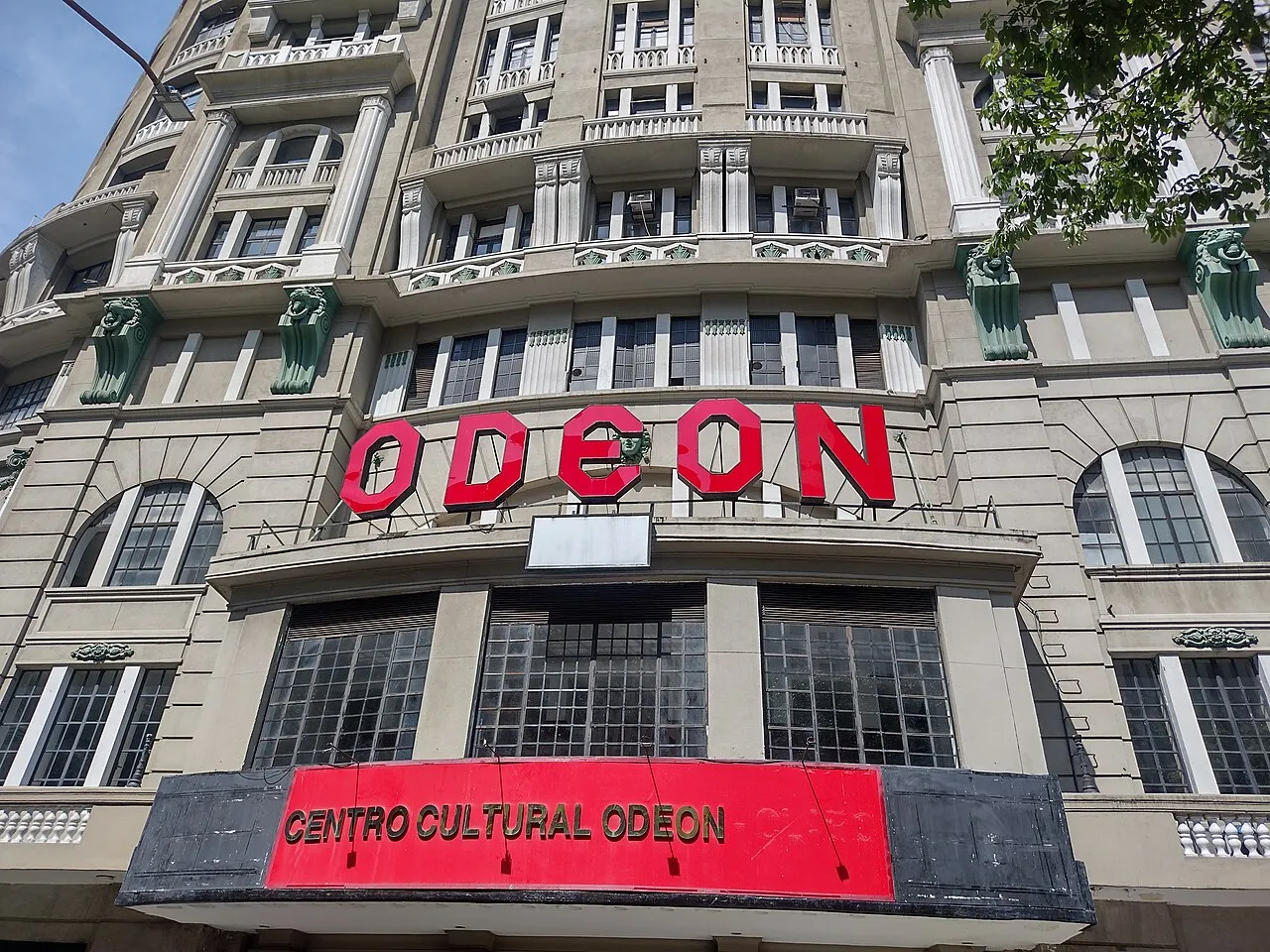
The opening screening was held at the Cine Odeon, on Cinelândia square, with the Spanish film La Bola Negra, directed by Javier Calvo and Javier Ambrossi.
Brazilian cinema remains the centre of gravity
The national competitive section, Première Brasil, brings together 110 Brazilian films having their first screenings. It is the part of the festival that works as a launch window for the country's output, not merely as an exhibition circuit.
Among the Brazilian titles drawing attention are Funk, by Aly Muritiba; Elza, by Eryk Rocha; Alucinação, directed by Marcos Caetano, Renato Terra and Leo Caetano; and two documentaries about figures from Brazilian popular music: Marília Mendonça: Sentimento Louco, by Susanna Lira, and Ney por Trás das Máscaras, by Esmir Filho and Thais Guisasola. The festival also screens Feito Pipa, Brazil's submission for the Academy Award for best international feature.
Première Brasil's prize-giving has a particular feature: alongside the juries, the audience votes. The Troféu Redentor for popular vote is decided by a digital ballot accessed through a QR code at screenings.
What comes from abroad
The international selection is built largely from what passed through the major festivals of the first half of the year. The line-up includes Cartas Amarelas, by Ilker Çatak, which won the Golden Bear in Berlin; Um Pequeno Bom Soldado, by Stéphane Brizé, awarded for its screenplay in Venice; Covarde, by Lukas Dhont, which screened at Cannes; and A Grande Estreia, Jesse Eisenberg's directorial debut.
Rosebush Pruning, by Karim Aïnouz, has its international premiere scheduled for 3 October.
Free screenings, away from the usual circuit
The festival keeps Cinema Circulação, its free-screening arm, which takes sessions to public venues outside the traditional cinema circuit — among them Parque Realengo, the Areninha Cultural Renato Russo and branches of Cine Carioca. The Centro Cultural FGV, in Botafogo, joins the programme this year as a new venue.
Tickets for paid screenings are sold online and at box offices, with packages of four or eight entries available.
The industry conversation
Running alongside the screenings, RioMarket gathers the business side of the audiovisual sector. This edition's agenda covers TV 3.0, FAST channels — free, advertising-funded linear streaming — short-form microdramas and international co-production strategies.
With information from Agência Brasil, Papo de Cinema and the official Festival do Rio programme.