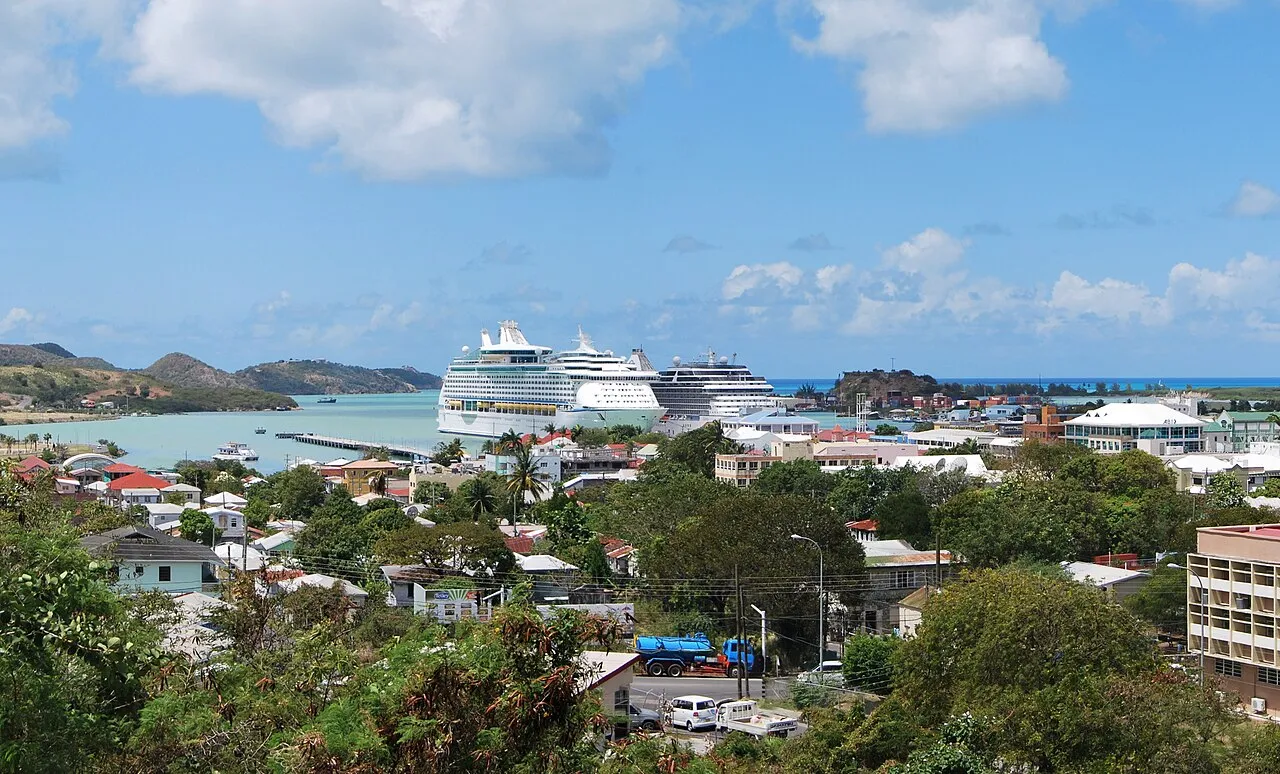
The Caribbean Community (Caricom) arrives at the Commonwealth Heads of Government Meeting on Sunday with a demand that has spent years off the bloc's formal agenda: reparations from the United Kingdom for the transatlantic trade in enslaved people. The summit runs from 1 to 4 November 2026 in St John's, the capital of Antigua and Barbuda, and brings together the 56 member states under the theme "Accelerating Partnerships and Investment for a Prosperous Commonwealth."
Antigua and Barbuda is the host, and its prime minister, Gaston Browne, chairs the meeting. It is also the first summit led by the bloc's secretary-general, Ghana's Shirley Ayorkor Botchwey, who has held the post since 1 April 2025.
A double agenda
The official programme centres on climate resilience, trade and investment, innovation, equality and sustainable development — the themes the bloc used to convene the meeting. Reparations are not among them, but the Caribbean has spent the year working to get them discussed.
At its 51st Regular Meeting, held in Saint Lucia from 5 to 8 July 2026, Caricom heads of government agreed that the reparations campaign should have a prominent presence at the summit. They also backed cooperation with the African Union and the petition Jamaica was preparing for King Charles III, which the Jamaican government presented in early September.
Browne had already argued in November 2025 that the Commonwealth should create a framework for the issue, and Ralph Gonsalves, the former prime minister of St Vincent and the Grenadines, called for it to be a central topic. In June 2026, African and Caribbean representatives meeting in Ghana endorsed a 19-point reparations plan.
The Caricom Reparations Commission later added a second demand: decolonisation of the Caribbean territories that remain non-self-governing, and support from Charles III — who is expected to address the summit — for their self-determination.
The king in the Caribbean
Charles III, 77, arrived in the region on a nine-day tour that Buckingham Palace arranged with stops in the Bahamas and Guyana before the summit, where Queen Camilla will join him. The programme includes a coral reef restoration project in Antigua and Barbuda, rainforest conservation in Guyana, cultural events, meetings with young people and Antigua and Barbuda's independence celebrations.
The king has described the era of colonial slavery as "the darkest days" of British history, and the Palace announced in early October that the trip would not avoid "the darkest days of our past." That is the limit of the gesture: no British monarch has issued an official apology for slavery, and London has consistently rejected any financial compensation.
Guyana's president, Irfaan Ali, who was due to meet the king, told ITV News that acknowledging those "dark days" is only a "first step" and that apologies would be the next stage. Botchwey, for her part, said an apology from the king "would do no harm" and that "the time has come" to address reparations, whether in money or in other forms of redress.
Background
Charles III last visited the Caribbean in 2021, when Barbados removed the British crown as head of state and became a republic. In 2022, the tour by the then Duke and Duchess of Cambridge, William and Catherine, ended amid protests and reparations demands, an episode that has set the tone for royal visits to the region since.
What sets this summit apart is the geography: the demand does not arrive as a letter from the region but is discussed on an island that was a British sugar colony, with the king in the room.
With information from Caricom, the Commonwealth, EFE and Diario Las Américas.